Scientific Collaboration: How Teams Really Work Together in Indian Research
When we talk about scientific collaboration, the process where researchers from different backgrounds combine skills, data, and ideas to solve complex problems. Also known as team-based research, it’s what turns isolated experiments into breakthroughs that change industries and save lives. Too many labs think collaboration means sharing a workspace or sending an email. But real collaboration? It’s deeper. It’s when a materials scientist in Bangalore teams up with a data analyst in Pune to predict how a new drug behaves—not because they were told to, but because their skills actually fit together like puzzle pieces.
This kind of teamwork doesn’t happen by accident. It needs scientific conferences, live events where researchers meet face-to-face to exchange ideas, spot gaps in each other’s work, and build trust. Also known as research networking hubs, these gatherings are where many of India’s biggest partnerships start—not on Zoom, but over chai. Without them, even the smartest minds work in silos. And then there’s science communication, how scientists share findings clearly with peers and the public through papers, social media, and open-access platforms. Also known as research dissemination, it’s the glue that holds collaboration together. If your results sit locked in a paywalled journal, no one can build on them. Collaboration dies in silence.
What makes this different in India? We’ve got brilliant minds, but often, collaboration gets stuck on credit, hierarchy, or lack of clear roles. One lab might hold back data because they fear being scooped. Another might skip deadlines because no one’s holding them accountable. Good collaboration fixes that. It’s built on the 4 C’s: Communication, Cooperation, Coordination, and Commitment. You can’t have one without the others. And when you do? You get discoveries that no single person could’ve made alone.
This collection doesn’t just tell you what collaboration should look like. It shows you what it actually looks like—when it fails, when it works, and how to fix it. You’ll read about real teams in Indian labs, the hidden tensions that break projects, and the simple habits that turn strangers into partners. No fluff. No theory without practice. Just what you need to make your next project actually succeed.

What Companies Still Use Scientific Management Today?
Feb, 20 2026
Scientific management isn't dead-it's running Amazon warehouses, call centers, and hospitals. Companies still use Taylor's methods to cut costs and boost efficiency, often without naming it. Here's where it's alive today.
Read Article→
What Are the Challenges of Technology Transfer?
Jan, 20 2026
Technology transfer fails not because inventions don't work, but because of cultural, financial, and systemic barriers between labs and markets. This article breaks down the real challenges - from funding gaps to regulatory hurdles - and what actually works.
Read Article→
What Is the Four-Dimensional Model of Collaboration in Scientific Research?
Dec, 5 2025
The four-dimensional model of collaboration explains how scientific teams succeed by aligning structure, cognition, social dynamics, and institutional rules. Learn how to apply it to your research group.
Read Article→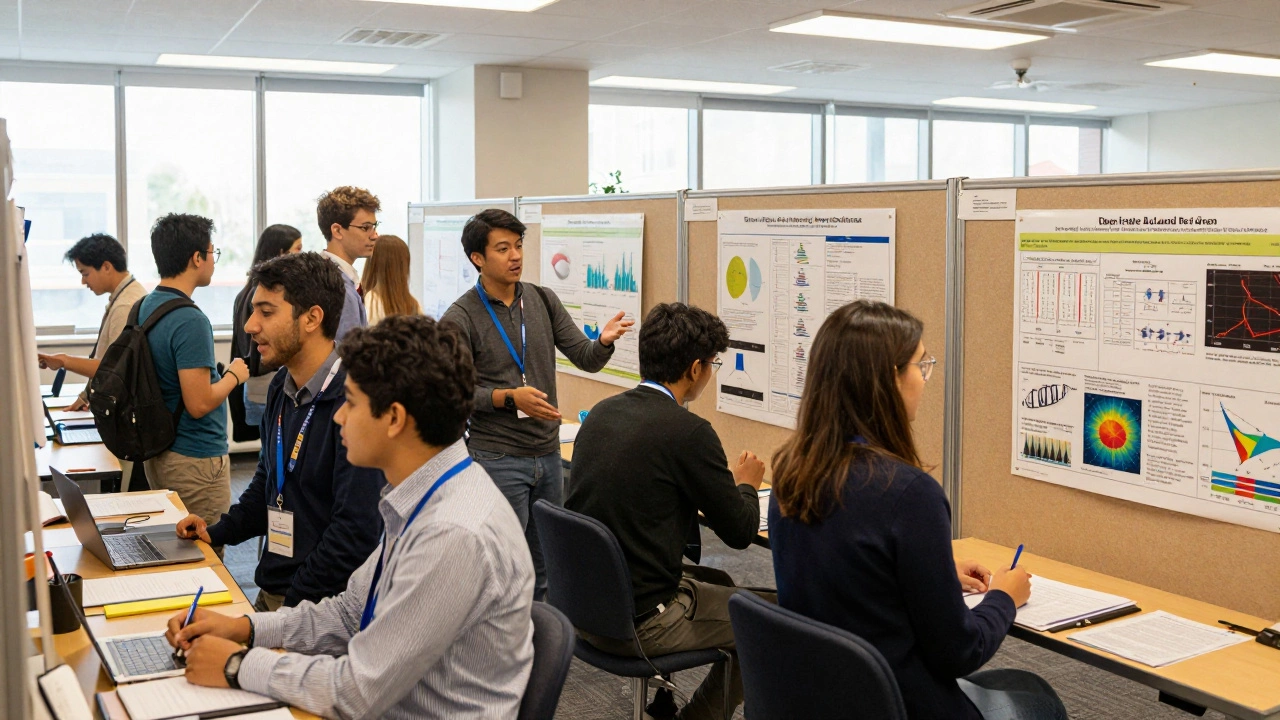
What Is a Science Conference? A Practical Guide for Researchers and Students
Dec, 2 2025
A science conference is where researchers share findings, get feedback, and build collaborations. Learn what happens at these events, who attends, and how to make the most of your first conference experience.
Read Article→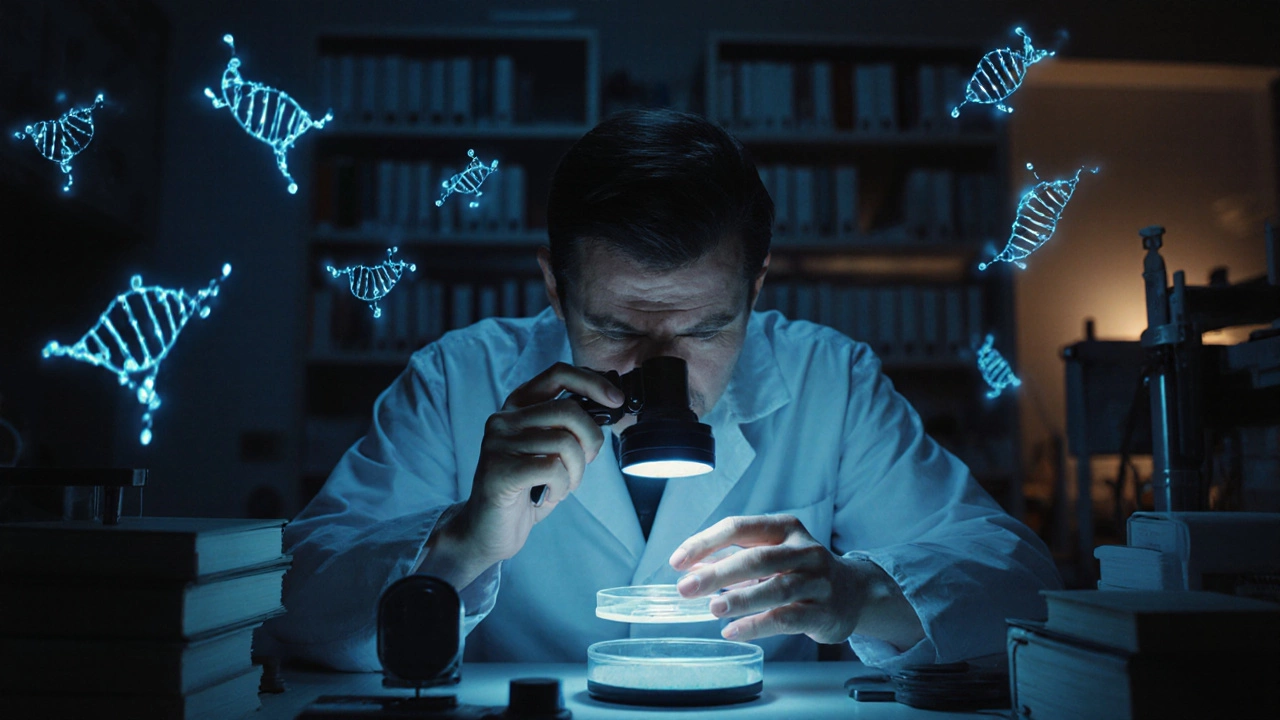
What Is the General Idea of Technology Transfer?
Nov, 28 2025
Technology transfer turns scientific discoveries into real-world solutions-vaccines, clean energy, and smartphones-by moving research from labs to markets. It connects public investment with private innovation.
Read Article→
Poor Collaboration in Science: What It Actually Looks Like
Jun, 13 2025
If you’ve ever wondered why some scientific projects fall apart, poor collaboration is almost always hiding in plain sight. This article points out the dead giveaways of bad teamwork in research—broken communication, mixed goals, missed deadlines, and even jealousy over credit. You’ll get the nitty-gritty details, real examples, and smart fixes that actually work in labs and research groups. Understanding these red flags saves time, money, and everyone’s sanity. A must-read for anyone in the science field tired of projects going sideways.
Read Article→
Scientific Conferences: Why They Still Matter
Feb, 24 2025
Scientific conferences are pivotal for fostering collaboration and innovation. They provide a platform for researchers to network, share ideas, and stay updated on the latest advancements. These events serve as a melting pot for diverse perspectives, potentially leading to groundbreaking discoveries. While the digital age offers alternatives, the face-to-face interaction at conferences remains unmatched in building genuine professional relationships.
Read Article→
The Art of Scientific Sharing: Communicating Discoveries
Feb, 3 2025
Scientists share their work through various channels, ensuring that discoveries reach both fellow researchers and the broader public. By employing academic journals, conferences, and digital platforms, researchers foster collaboration and innovation. This article offers insights into the methods and challenges of scientific communication, highlighting the importance of peer review, open access, and the role of social media in broadening scientific engagement.
Read Article→
Mastering the 4 C's of Effective Teamwork for Scientific Collaboration
Jan, 21 2025
Teamwork in scientific collaboration relies on the 4 C's: Communication, Cooperation, Coordination, and Commitment. These elements form the foundation for achieving shared goals and fostering innovation. By enhancing communication, ensuring cooperation, maintaining coordination, and committing to common objectives, teams can drive significant advancements in their fields. Understanding and implementing these principles can empower teams to work more efficiently and effectively.
Read Article→
The True Nature of Collaboration: Beyond Mere Teamwork in Science
Jan, 16 2025
Collaboration in science often surpasses the conventional idea of simply working together. It involves blending skills, ideas, and unique insights from diverse fields to solve complex problems. Understanding the nuances of collaboration can unlock unprecedented discoveries. This article explores what collaboration truly means, its benefits, potential challenges, and tips for successful partnerships in scientific research.
Read Article→