What Is a Science Conference? A Practical Guide for Researchers and Students
 Dec, 2 2025
Conference Cost Calculator
Estimate your total costs for attending a science conference. Input your details to see a breakdown of registration, travel, and accommodation costs.
A science conference isn’t just a fancy meeting with slides and coffee breaks. It’s where new ideas are born, collaborations start, and careers take shape. If you’ve ever wondered what happens at one of these events-why scientists travel across the world to present their work, or why students line up to ask questions after a talk-you’re not alone. The truth is, science doesn’t happen in isolation. It moves through conversations, debates, and connections made face-to-face. And that’s exactly what a science conference is designed for.
What Happens at a Science Conference?
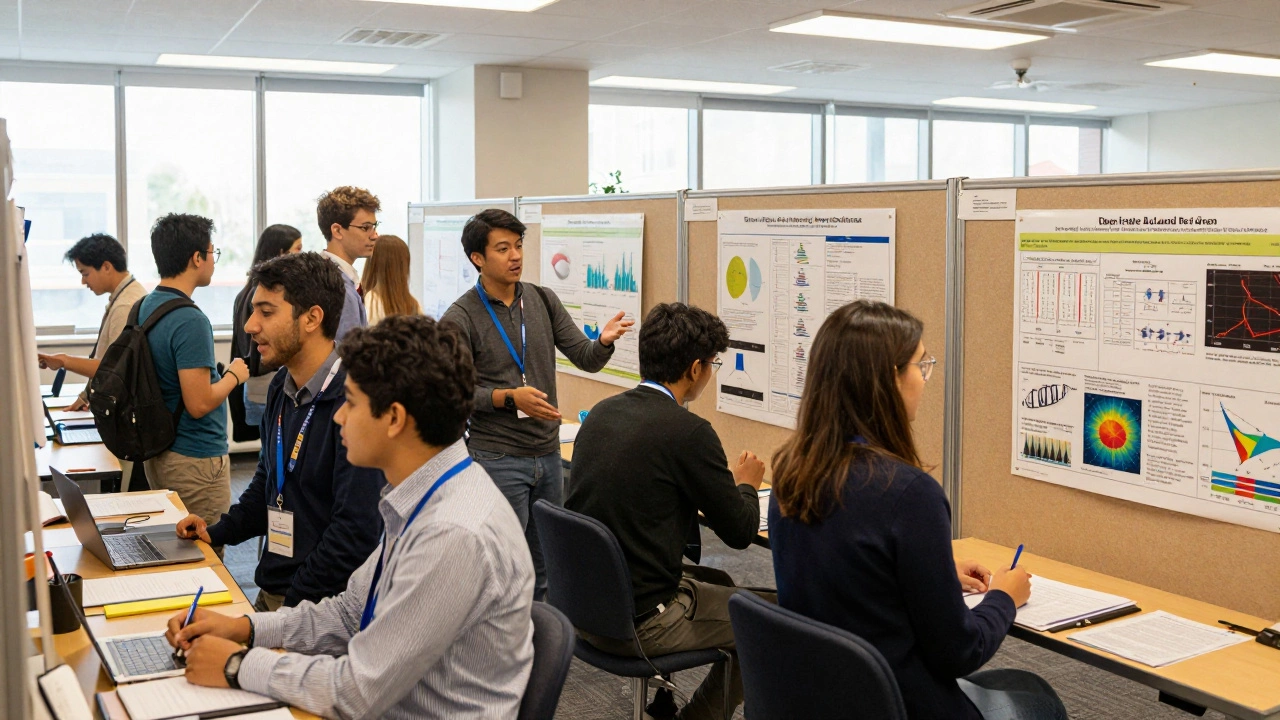
At its core, a science conference is a gathering of researchers, students, industry experts, and sometimes policymakers who all work in the same field. These events usually last between two and five days. You’ll see presentations called oral talks, where someone shares their latest findings in 15 to 20 minutes. Then there are poster sessions, where researchers pin up their work on large boards and stand by them to explain it to anyone who stops by. These aren’t just formal lectures-they’re interactive. Someone might challenge your methods, suggest a new angle, or even offer to collaborate.
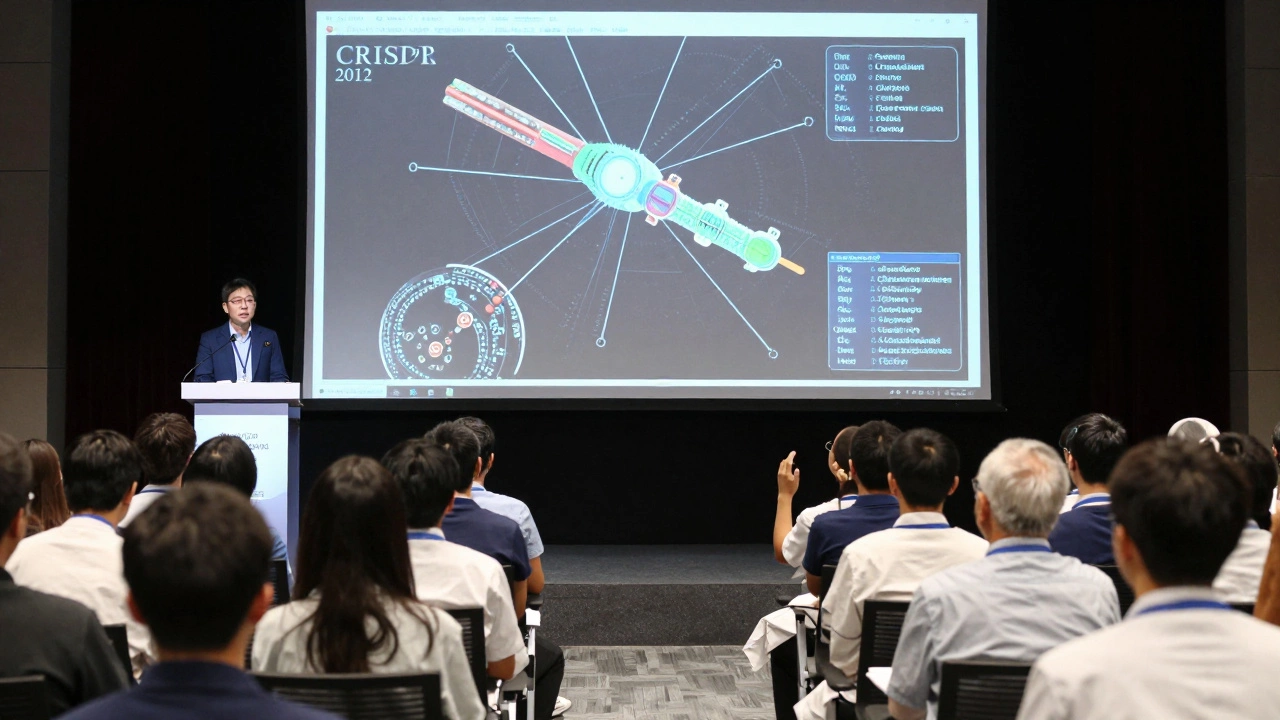
Conferences also include keynote speeches from leading figures in the field. These aren’t just inspirational talks-they often set the tone for the next big direction in research. For example, a keynote on CRISPR gene editing might spark a wave of new projects across labs in Europe, Asia, and North America. You’ll also find workshops, panel discussions, and networking mixers. Some conferences even have career fairs or grant-writing seminars.
Why Do Scientists Attend?
It’s not just about showing off your data. Scientists go to conferences for four main reasons: visibility, feedback, collaboration, and opportunity.
- Visibility: Publishing a paper takes months. Presenting at a conference gets your work seen within weeks. If you’re early in your career, this can be your only chance to get noticed by senior researchers or journal editors.
- Feedback: Peer review happens in real time here. Someone in the audience might spot a flaw in your statistical analysis or suggest a better experimental design. That feedback can save you months of wasted effort.
- Collaboration: Many major discoveries come from teams that met at a conference. A researcher in Germany might need data from a lab in Japan. A grad student in Canada might have a tool that solves a problem for a professor in Brazil. These connections don’t happen over email-they happen over lunch or during a coffee break.
- Opportunity: Conferences are where funding agencies look for talent. Postdoc positions, industry jobs, and even startup pitches are often announced here. Some conferences offer travel grants or best poster awards that can help you pay for your next project.
Who Goes to These Events?
It’s not just professors. In fact, students make up the largest group at most science conferences. Undergraduates, PhD candidates, and postdocs are often the ones presenting posters, asking the toughest questions, and networking the hardest. Senior scientists attend too-but they’re usually there to scout talent, stay updated, or give keynote talks.
Industry scientists are increasingly common at conferences too. Companies like Roche, Siemens, and NVIDIA send teams to find new technologies they can license or hire researchers who’ve built them. Even government agencies like the NIH or the European Commission send representatives to track emerging trends.
And yes-science communicators, journal editors, and patent lawyers show up too. They’re looking for stories, breakthroughs, or intellectual property worth protecting. So a conference isn’t just for researchers. It’s a hub where science meets society.
How Are Science Conferences Different From Journals?
People often confuse conferences with journals. They’re not the same. Journals are permanent, peer-reviewed records. Conferences are temporary, dynamic spaces.
A journal article takes 6 to 18 months to publish. A conference talk can be given the same week you finish your experiment. That speed matters. In fast-moving fields like AI or genomics, waiting a year to share results means you’re already behind. Conferences let you get your work out there while it’s still fresh.
Also, journal reviews are anonymous. Conference feedback isn’t. You see who’s questioning your work. You hear their tone. You can reply right away. That direct exchange builds trust-and sometimes, long-term partnerships.
Many researchers treat conference presentations as early versions of their journal papers. They test ideas, get feedback, and then submit the improved version later. Some conferences even publish abstracts or proceedings, which can count toward your publication record.
How to Get the Most Out of a Science Conference
If you’re attending your first conference, it can feel overwhelming. Here’s how to make it work for you:
- Plan ahead. Look at the schedule. Pick 3-5 talks you absolutely don’t want to miss. Don’t try to see everything.
- Prepare your pitch. If you’re presenting, practice explaining your work in 60 seconds. Start with: “I study X because Y. My key finding is Z.”
- Bring business cards or a QR code. Even if you’re a student, having a simple link to your LinkedIn or research profile helps. No need for fancy designs-just your name, institution, and email.
- Ask questions. Don’t be afraid to say, “I’m not sure I understood your method. Could you clarify?” Most speakers appreciate honest curiosity.
- Talk to strangers. Sit with someone you don’t know at lunch. Ask where they’re from. Ask what they’re working on. That’s how collaborations start.
- Follow up. After the conference, send a short email to people you talked to. Say something specific: “I really liked your point about X. I’ve been thinking about Y-would you be open to a quick chat?”
What to Expect From a Typical Day
Here’s what a real day might look like at a conference in biotechnology or climate science:
- 8:00 AM: Coffee and catching up with colleagues from other labs.
- 9:00 AM: Keynote talk on new climate modeling techniques.
- 10:30 AM: Session on CRISPR delivery systems-three short talks.
- 12:00 PM: Lunch with a group of grad students from three different countries.
- 1:30 PM: Poster session. You stand by your poster for 90 minutes. Six people stop by. Two ask to collaborate.
- 3:00 PM: Workshop on writing grant proposals for early-career scientists.
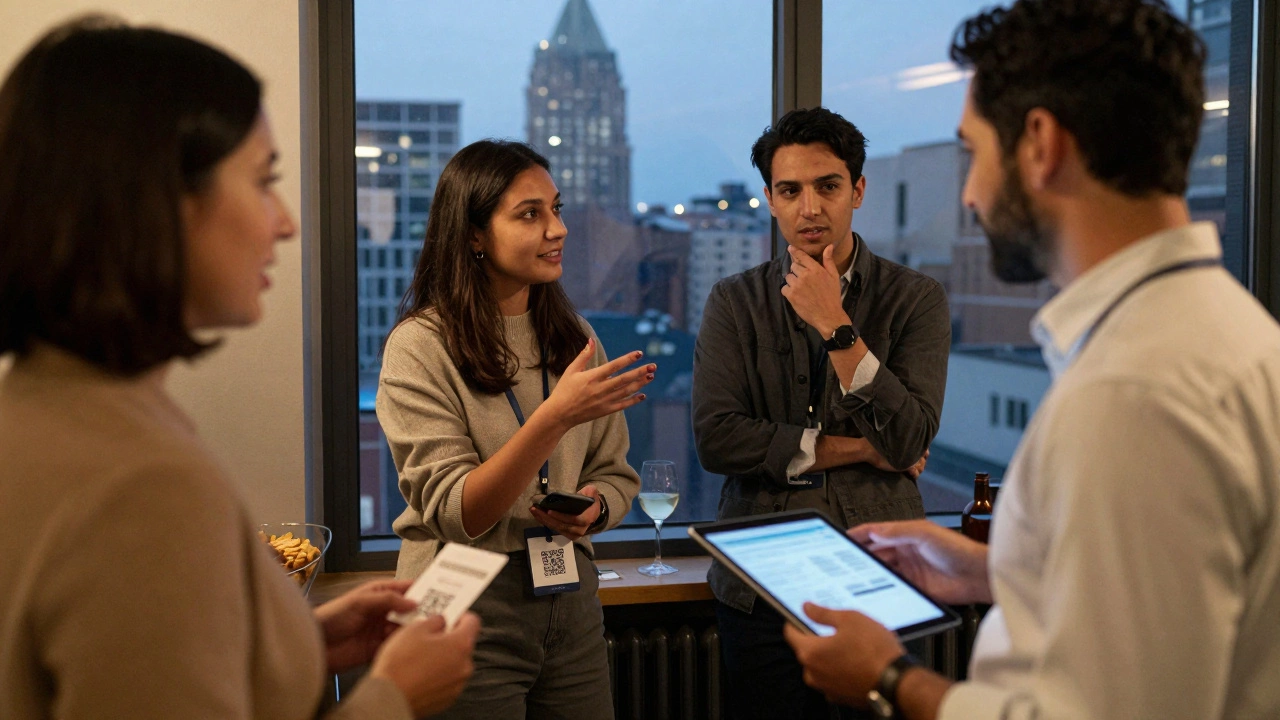
- 5:30 PM: Networking reception with free wine and snacks. You talk to a startup founder who wants to hire you.
- 8:00 PM: Back to your hotel. You send three follow-up emails.
It’s exhausting. It’s also unforgettable.
Are All Science Conferences the Same?
No. There are big international ones like the American Association for the Advancement of Science (AAAS) meeting, which draws over 6,000 people. Then there are small, niche gatherings-maybe just 50 experts in fungal genetics in rural Sweden. Both matter.
Big conferences give you exposure. Small ones give you depth. The best strategy is to mix both. Start with regional or national meetings. Build confidence. Then aim for the big ones. Some conferences are invitation-only. Others are open to anyone who registers and pays the fee. Student rates are usually available.
Virtual conferences became common after 2020, but they haven’t replaced in-person ones. You can watch a talk online, but you can’t bump into someone at the coffee machine and spark a collaboration. That’s why most researchers still prioritize attending in person.
What’s the Real Value?
The real value of a science conference isn’t the slides or the abstracts. It’s the human connections. A 2023 study in Nature found that researchers who regularly attended conferences were 40% more likely to co-author papers with people outside their institution. That’s huge. Science is collaborative by nature-but collaboration doesn’t happen in a vacuum. It happens when two people meet, talk, and decide to try something together.
Whether you’re a student wondering if you should go, or a junior researcher deciding whether to submit a poster, the answer is yes. You don’t need to be famous. You don’t need perfect data. You just need to show up, listen, ask questions, and say hello.
Do I need to present to attend a science conference?
No, you don’t need to present. Many attendees just come to learn, network, or explore opportunities. However, presenting-whether as a talk or poster-dramatically increases your chances of being noticed and making meaningful connections. If you’re a student, even a simple poster can open doors.
How much does it cost to attend a science conference?
Costs vary widely. Big international conferences can cost $500-$1,500 for registration, plus travel and accommodation. Smaller or local ones might be under $200. Many offer student discounts (often 30-70% off). Some conferences provide travel grants, especially for early-career researchers from underfunded institutions. Check the conference website for funding options.
Can I attend a science conference if I’m not a scientist?
Yes, if you’re involved in science in any way. Journalists, policy advisors, educators, patent lawyers, and even science communicators often attend. Some conferences have special tracks for non-researchers. If you’re curious about the field, reach out to the organizers-they may offer reduced rates or free passes for public engagement roles.
What if I’m shy or don’t know anyone there?
You’re not alone. Most people feel that way. Start small: ask someone next to you what they’re working on. Join a poster session-people are usually happy to explain their work. Many conferences have mentorship programs or “buddy systems” for first-timers. Don’t wait to be approached. Say hello first.
Are science conferences only for academics?
No. Industry researchers, government scientists, nonprofit workers, and even entrepreneurs attend. Conferences are where academia meets real-world application. If your work involves science-whether you’re in a lab, a startup, or a regulatory agency-you belong there.
Next Steps: Where to Find Your First Conference
Start by checking with your university’s research office. They often list upcoming events. You can also search databases like Conference Alerts, AllConferences, or the websites of professional societies in your field-like the American Chemical Society, the American Physical Society, or the European Molecular Biology Organization.
Look for events labeled “early-career friendly” or “student-focused.” Many have workshops specifically for first-time presenters. If you’re unsure where to begin, pick one local or regional conference. You don’t need to fly across the world for your first experience.
Just show up. Say hello. Ask a question. That’s how science moves forward.