What Is an Example of a Health Care Initiative? Real-World Case Studies
 Sep, 15 2026
Health Care Initiative Explorer
Select a case study below to analyze its strategy, impact, and key takeaways.
Smallpox Eradication
Global surveillance & ring vaccination (1967-1980).
Ethiopian CHWs
Local women providing basic care & education.
Anti-Smoking Laws
Plain packaging & taxation in Australia.
Telemedicine NHS
Digital consultations during pandemic lockdowns.
Case Study: Smallpox Eradication
Strategy Overview
Launched by WHO in 1967, this initiative shifted from mass vaccination to "ring vaccination." Teams identified every single case and vaccinated everyone within a mile radius. This broke the chain of transmission efficiently.
Key Lessons
- Surveillance is key: You can’t fix what you don’t track.
- Adaptability wins: Changing tactics mid-stream saved resources.
- Global coordination: No single country could do it alone.
Impact Metrics
Pre-1967 Mortality:
~2M/year
Status by 1980:
Eradicated
Case Study: Ethiopian Community Health Workers
Strategy Overview
The Health Extension Program deployed over 38,000 Community Health Workers (CHWs). These were local women trained to provide basic care, educate families on hygiene, and refer serious cases. They leveraged trust and cultural understanding rather than just medical expertise.
Why It Worked
- Trust as a Medical Tool: Local language and cultural nuances improved compliance.
- Low Cost, High Reach: Utilized existing social structures instead of importing foreign expertise.
Outcomes
- Significant drop in maternal mortality
- Fall in child malnutrition rates
- Increased access in rural areas
Case Study: Anti-Smoking Campaigns (Australia)
Strategy Overview
A policy-driven initiative combining taxation, advertising bans, and plain packaging laws (introduced in 2012). It didn't rely solely on individual willpower but changed the environment to make quitting easier and starting harder.
Core Principle
Tactics Used
Plain Packaging High Taxation Graphic Warnings Ad BansCase Study: Telemedicine Expansion (NHS)
Strategy Overview
Accelerated digital consultations during pandemic lockdowns. Platforms allowed patients to see GPs via video call, keeping chronic conditions managed when physical clinics closed.
Challenges Identified
- Digital Divide: Elderly patients struggled with technology.
- Regulatory Lag: Reimbursement models lagged behind tech capabilities.
Future Requirements
- ✓ Training for users/staff
- ✓ Reliable Internet Access
- ✓ Clear Clinical Guidelines
Quick Quiz: Evaluate an Initiative
Based on the article's checklist, which of these scenarios represents a Red Flag?
You’ve heard the term health care initiative thrown around in policy meetings or news headlines. But what does it actually look like on the ground? It’s not just a government memo gathering dust. A true health care initiative is a coordinated effort to solve a specific health problem for a specific group of people. Think of it as a targeted intervention designed to change behavior, improve access, or reduce disease burden.
If you’re trying to understand how these programs work, looking at abstract definitions won’t help much. You need concrete examples. Let’s break down real-world initiatives that have shaped modern medicine and public health. We’ll look at why they worked, where they failed, and what makes them successful.
The Classic: Smallpox Eradication
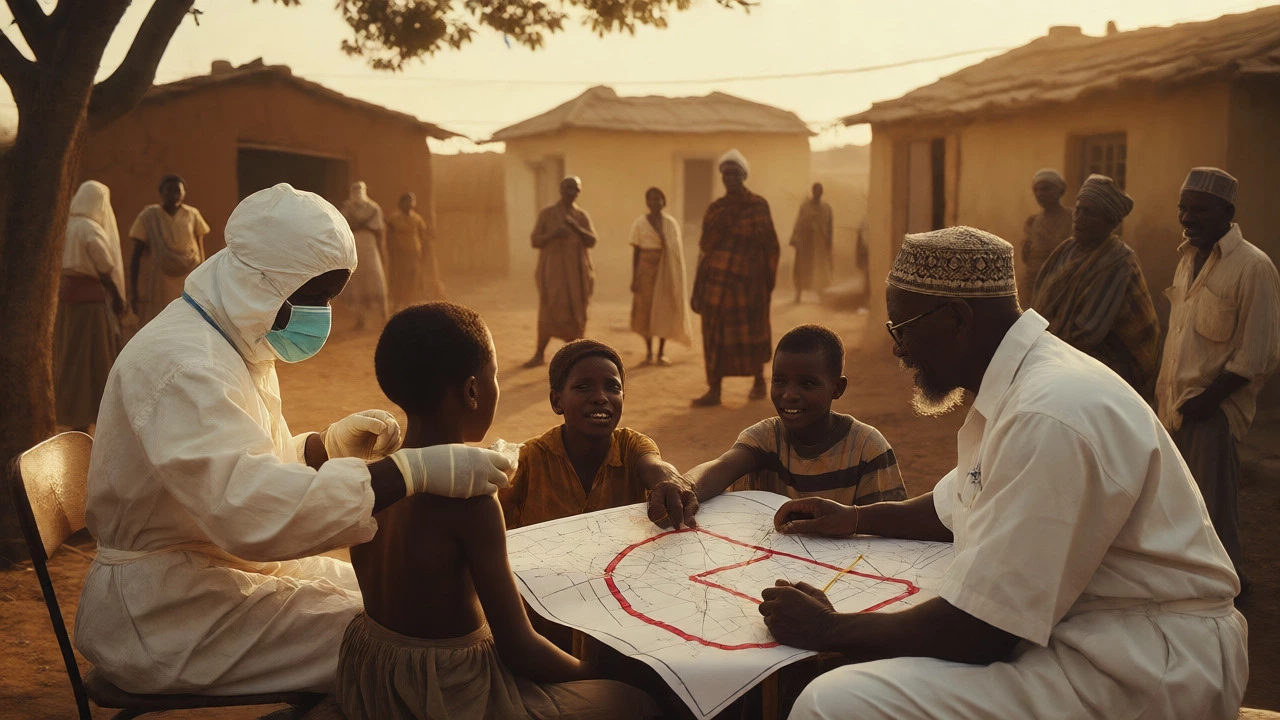
When people ask for the gold standard of health care initiatives, experts almost always point to the Smallpox Eradication Program. Launched by the World Health Organization (WHO) in 1967, this wasn’t just about handing out vaccines. It was a massive logistical operation involving surveillance, containment, and international cooperation.
Here’s why it matters: Before 1967, smallpox killed up to two million people a year. The initiative shifted from mass vaccination to "ring vaccination." Instead of vaccinating everyone, teams identified every single case and vaccinated everyone within a mile radius. This strategy saved resources and broke the chain of transmission. By 1980, WHO declared smallpox eradicated. It remains the only human disease ever completely wiped out.
This example teaches us three critical lessons:
- Surveillance is key: You can’t fix what you don’t track.
- Adaptability wins: Changing tactics mid-stream saved the program.
- Global coordination: No single country could do it alone.
Community-Led Success: Community Health Workers in Ethiopia
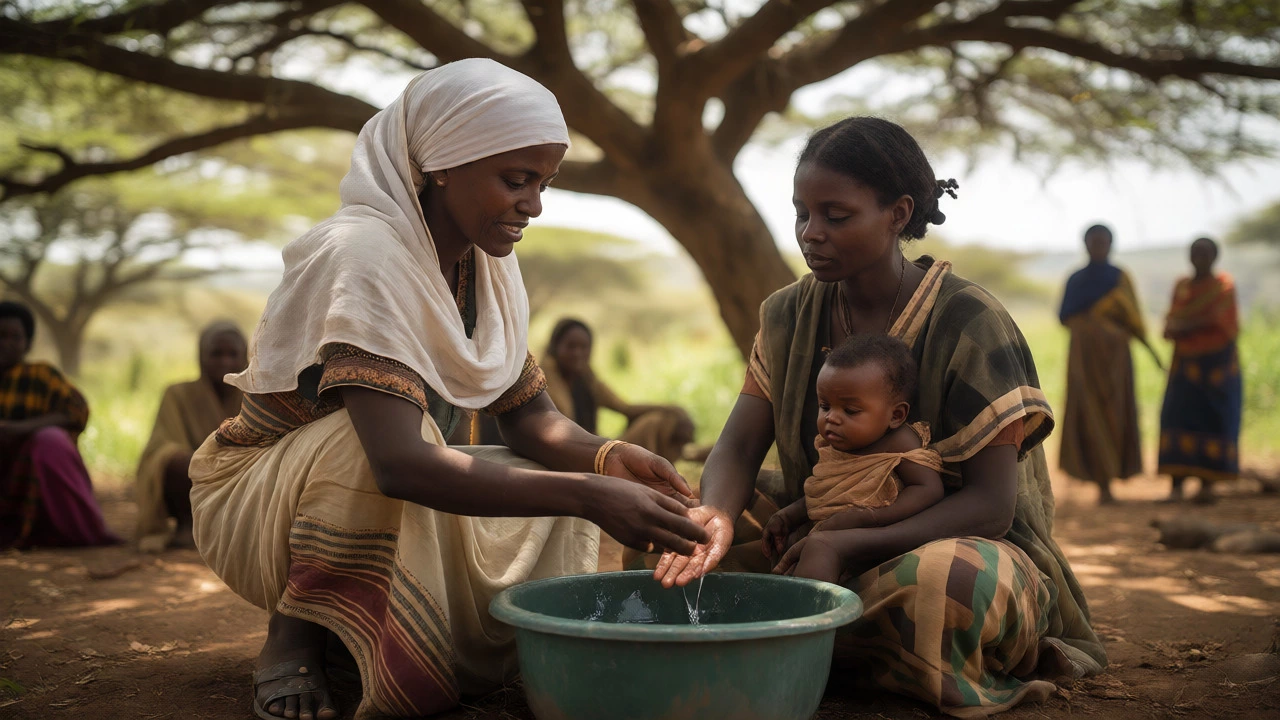
Not all initiatives require billion-dollar budgets. Some rely on human connection. In rural Ethiopia, the Health Extension Program (HEP) deployed over 38,000 Community Health Workers (CHWs) to serve underserved areas. These weren’t doctors. They were local women trained to provide basic care, educate families on hygiene, and refer serious cases to clinics.
The results? Maternal mortality dropped significantly. Child malnutrition rates fell. Why did it work? Because the CHWs spoke the local language and understood cultural nuances. A doctor from the capital might miss subtle signs of distress that a neighbor would catch immediately. This initiative proves that trust is a medical tool.
If you’re designing a local program, consider this: Who already has the community’s ear? Sometimes, empowering existing social structures beats importing foreign expertise.
Behavioral Change: Anti-Smoking Campaigns
Health care initiatives aren’t always about treating illness. Often, they’re about preventing it. Take tobacco control. For decades, smoking was normalized. Then came aggressive public health campaigns combining taxation, advertising bans, and graphic warnings.
In Australia, plain packaging laws introduced in 2012 removed branding from cigarette packs. Combined with high taxes, smoking rates plummeted. This is a policy-driven health initiative. It didn’t rely on individual willpower alone. It changed the environment so that quitting became easier and starting became harder.
Key takeaway: Environment shapes behavior. If you want people to eat healthier, make healthy food cheaper and more visible than junk food. If you want fewer accidents, design roads that force slower speeds.
Technology-Driven: Telemedicine Expansion During Pandemics
Recent years showed us how fragile traditional health systems can be. When lockdowns hit, physical clinics closed. Patients couldn’t get prescriptions or mental health support. Enter rapid telemedicine expansion.
In the UK, the NHS accelerated digital consultations. Platforms allowed patients to see GPs via video call. While not perfect-some elderly patients struggled with tech-it kept chronic conditions managed. This initiative highlighted a gap: infrastructure exists, but regulatory and reimbursement models lag behind technology.
For future initiatives, note this: Tech isn’t magic. It needs training, internet access, and clear guidelines. Without those, it creates new inequalities.
How to Spot a Successful Initiative
Not every program labeled a "health initiative" succeeds. Many fail due to poor planning. Here’s a checklist to evaluate any proposed project:
| Criterion | What to Look For | Red Flag |
|---|---|---|
| Clear Target Audience | Specific demographic defined (e.g., "pregnant women in rural counties") | Vague goals like "improve national health" |
| Measurable Outcomes | Data points tracked (e.g., "reduce diabetes incidence by 5% in 3 years") | No baseline data or unclear success metrics |
| Sustainable Funding | Budget secured beyond initial grant period | Dependent solely on one-time donations |
| Community Buy-in | Local leaders involved in design phase | Top-down approach with no local input |
Look closely at the funding model. Short-term grants often lead to "pilotitis"-many pilots, few scaled solutions. Sustainable initiatives integrate into existing health systems rather than operating as parallel silos.

Common Pitfalls to Avoid
Even well-funded initiatives stumble. One common mistake is ignoring cultural context. A nutrition program promoting kale might fail in regions where leafy greens are associated with poverty. Another pitfall is data overload. Collecting too much information without analyzing it wastes resources. Focus on actionable data.
Also, beware of "one-size-fits-all" solutions. An urban telemedicine hub might struggle in remote villages with spotty connectivity. Tailor your approach to the terrain, both literal and metaphorical.
Why Examples Matter for Policy Makers
If you’re writing a proposal or studying public health, citing relevant examples strengthens your argument. Don’t just say "vaccination works." Say "the measles elimination campaign in Brazil reduced outbreaks by 90% through school-based outreach." Specificity builds credibility.
Moreover, learning from failures is as valuable as studying successes. Consider the early HIV response in some African nations. Delayed action led to higher infection rates compared to countries that acted swiftly. Timing matters in health initiatives.
Ultimately, a health care initiative is a promise made to a community. Whether it’s eradicating a virus or teaching handwashing, the goal is tangible improvement in quality of life. Keep your eyes on the people, not just the paperwork.
What is the main goal of a health care initiative?
The primary goal is to improve health outcomes for a specific population. This can involve preventing disease, improving access to care, reducing costs, or changing health behaviors. Unlike general healthcare services, initiatives are time-bound projects with specific objectives and measurable targets.
Are health care initiatives only run by governments?
No. While governments often lead large-scale efforts, non-governmental organizations (NGOs), private companies, and academic institutions also launch initiatives. For example, the Bill & Melinda Gates Foundation funds global health initiatives, while private insurers may run wellness programs for their members.
How do you measure the success of a health care initiative?
Success is measured against predefined Key Performance Indicators (KPIs). These might include reduction in disease prevalence, increase in vaccination rates, patient satisfaction scores, or cost savings. Baseline data collected before the initiative starts is crucial for accurate comparison.
What is the difference between a health program and a health initiative?
The terms are often used interchangeably, but "initiative" usually implies a new, focused effort to address a specific emerging issue or gap. A "program" tends to be ongoing and institutionalized. Initiatives often pilot new strategies that, if successful, become permanent programs.
Can small communities run effective health care initiatives?
Absolutely. Local initiatives often succeed because they leverage existing social networks and trust. A neighborhood walking group or a church-led diabetes screening event can have significant health impacts despite low budgets. Scale doesn't determine effectiveness; relevance and engagement do.