What Do Nanoparticles Do to the Human Body? A Guide to Health Impacts
 Sep, 22 2026
Nanoparticle Exposure Risk Estimator
Select a common nanoparticle scenario below to see its estimated biological interaction and risk profile based on current scientific understanding.
Select options above and click "Estimate Risk Profile" to see results.
You put on sunscreen in the morning. You take a supplement with nano-encapsulated vitamins. Maybe you use a face cream that claims to deliver collagen deeper into your skin. In all these cases, you are interacting with nanoparticles, which are particles between 1 and 100 nanometers in size that exhibit unique physical and chemical properties distinct from their bulk counterparts. They are everywhere, hidden in plain sight within consumer products, medical treatments, and even the air we breathe.
But what happens when these tiny structures enter your system? Do they help, harm, or just pass through unnoticed? The answer isn't a simple yes or no. It depends entirely on what the particle is made of, how big it is, and where it ends up. This article breaks down exactly how nanoparticles interact with human biology, moving beyond the hype to look at the real science of absorption, distribution, and potential toxicity.
The Size Factor: Why Tiny Changes Everything
To understand the impact, you first need to grasp why size matters. At the macro scale, gold is inert and safe. But shrink a piece of gold down to 5 nanometers, and it becomes chemically reactive. This shift occurs because as particles get smaller, their surface area-to-volume ratio explodes. More atoms sit on the surface rather than inside the core, making them highly reactive with biological tissues.
This reactivity is a double-edged sword. For medicine, it’s a superpower. It allows drugs to target specific cells with precision. For safety, it’s a risk factor. High reactivity can lead to oxidative stress, where unstable molecules called free radicals damage cell membranes and DNA. When you ask what nanoparticles do to the body, you’re really asking how this high-energy surface interacts with delicate biological systems.
How Nanoparticles Enter Your System
Nanoparticles don’t have a single entry point. They sneak in through three main routes, each posing different risks:
- Inhalation: This is the most common route for environmental exposure. Ultrafine particles from car exhaust or industrial dust bypass the nose’s natural filters and travel deep into the alveoli (air sacs) of the lungs. Because they are so small, they aren’t easily trapped by mucus or coughed out.
- Ingestion: Food additives like titanium dioxide (E171), used to make candy and gum white, are often in the nanoscale range. Once swallowed, they pass through the gastrointestinal tract. Recent studies suggest some may cross the gut barrier and enter the bloodstream, though many are excreted.
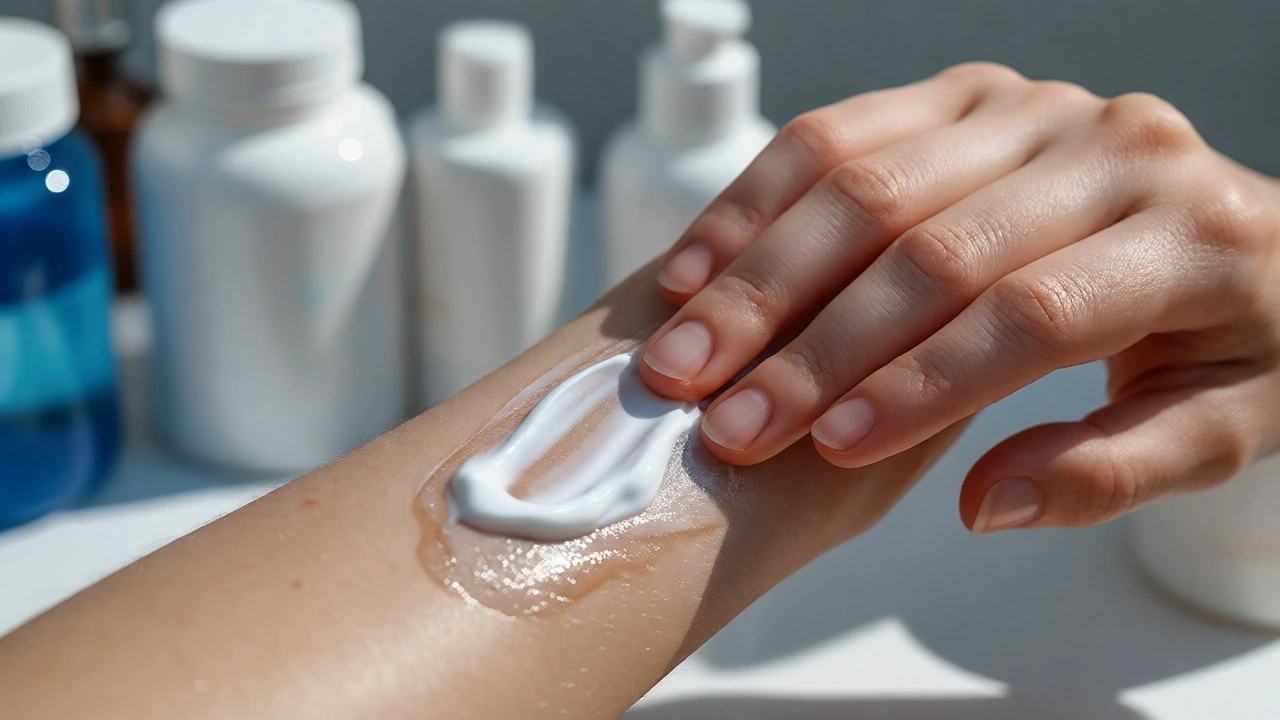
- Dermal Absorption: Skin is an excellent barrier against large particles. However, damaged skin or certain formulations (like those in sunscreens using zinc oxide) might allow limited penetration. Generally, intact skin blocks most nanoparticles, but hair follicles can act as reservoirs.
Once inside, the journey doesn’t end. The body treats these foreign objects as intruders, triggering immune responses that can either clear them out or cause inflammation.
Distribution and Accumulation in Organs
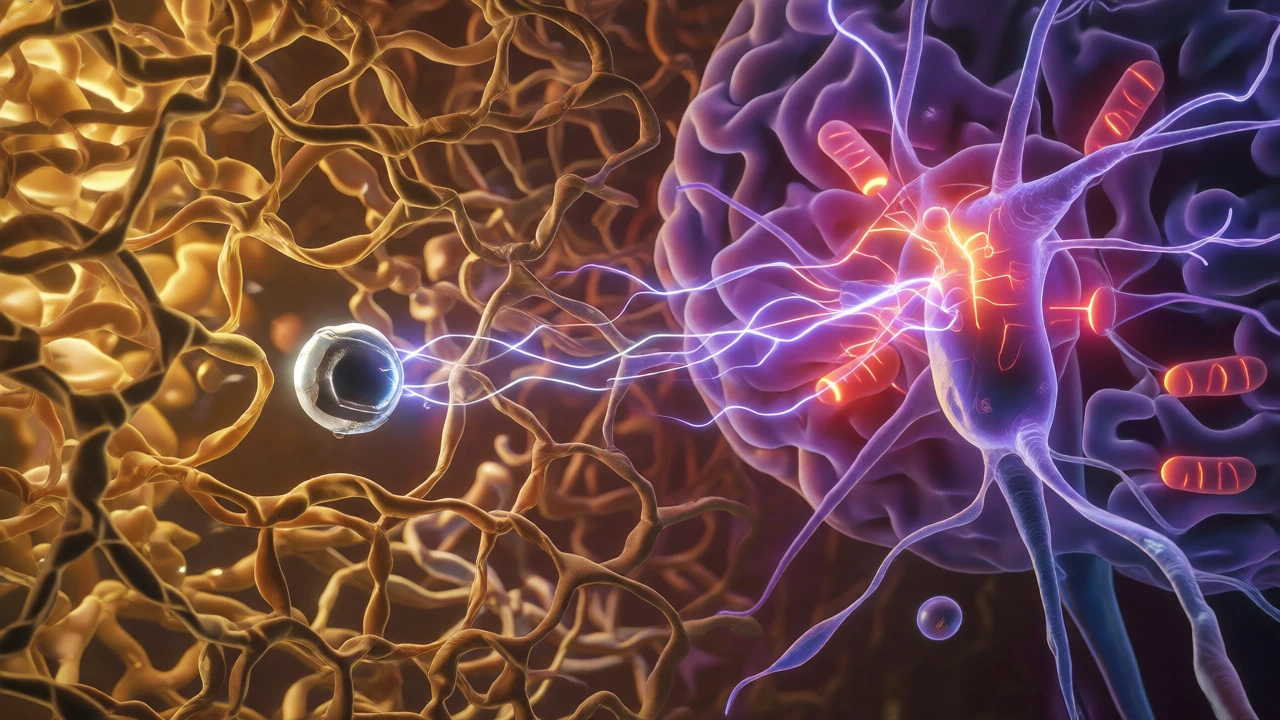
If nanoparticles escape the initial entry point, where do they go? Research indicates they can migrate to major organs, including the liver, spleen, kidneys, and brain. The blood-brain barrier is a protective mesh designed to keep pathogens out of the brain, yet certain coated nanoparticles can slip through via transcytosis-a process where cells engulf and transport materials across barriers.
The liver and spleen are primary cleanup crews. Specialized immune cells called macrophages try to eat and digest these particles. If the particles are biodegradable, like certain lipid-based drug carriers, they break down harmlessly. If they are persistent, such as carbon nanotubes or certain metal oxides, they may accumulate over time. Chronic accumulation in the liver has been linked to inflammatory markers in animal models, raising questions about long-term exposure effects in humans.
Cellular Interactions and Toxicity Mechanisms
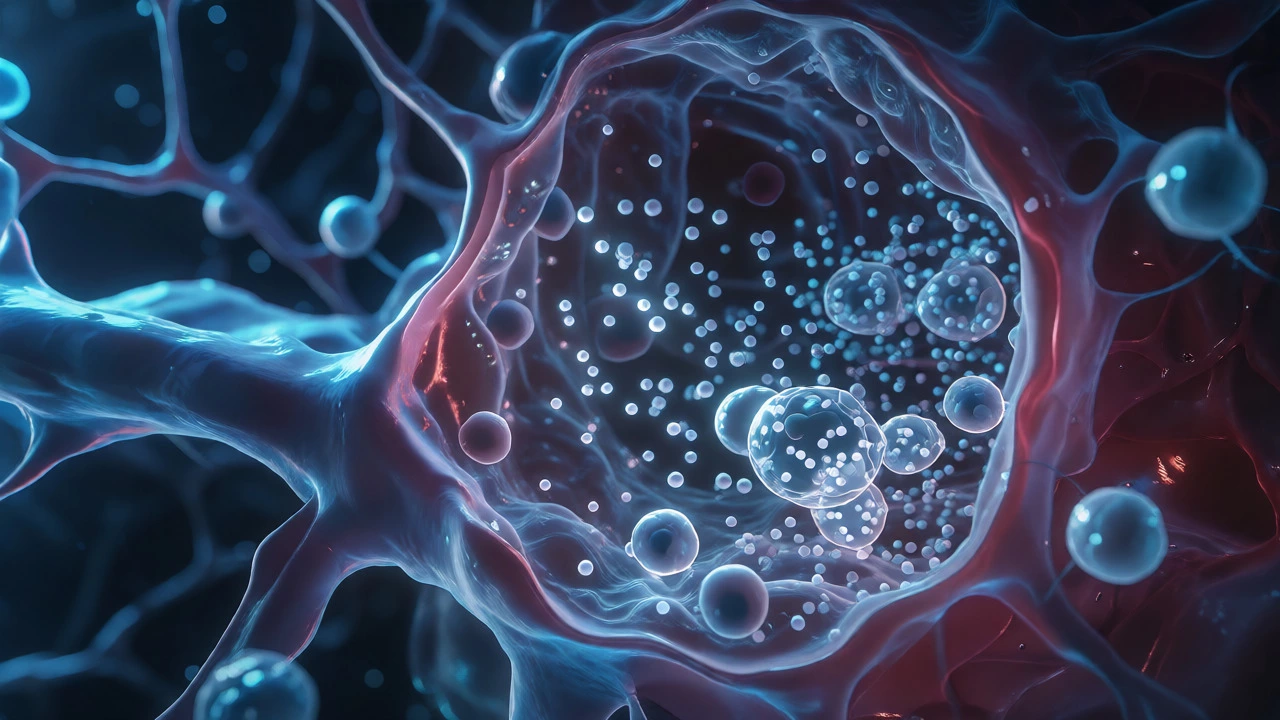
At the cellular level, the interaction is complex. Not all nanoparticles are toxic; many are engineered for biocompatibility, meaning they are compatible with living tissue without causing adverse reactions. However, when toxicity does occur, it usually follows one of three pathways:
- Oxidative Stress: Reactive oxygen species (ROS) are generated on the particle surface. These attack lipids, proteins, and DNA, leading to cell aging or death.
- Protein Corona Formation: As soon as a nanoparticle enters blood, proteins stick to its surface, forming a "corona." This layer dictates how cells recognize the particle. Sometimes, this coating helps clearance; other times, it triggers an allergic-like immune response.
- Mitochondrial Damage: Some nanoparticles disrupt the mitochondria, the powerhouses of the cell. This interference can halt energy production, causing cells to shut down or undergo apoptosis (programmed cell death).
It’s crucial to note that dose matters. Water is essential for life, but too much kills you. Similarly, low doses of therapeutic nanoparticles often show negligible toxicity, while high concentrations of industrial particulates can induce significant stress.
Benefits vs. Risks: The Medical Context
We cannot discuss risks without acknowledging benefits. Nanotechnology is revolutionizing healthcare. Liposomal delivery systems encapsulate chemotherapy drugs, reducing side effects by targeting tumor cells directly rather than flooding the whole body. Silver nanoparticles serve as powerful antibacterial agents in wound dressings, preventing infection without antibiotics.
| Nanoparticle Type | Primary Use | Biological Interaction | Risk Profile |
|---|---|---|---|
| Liposomes | Drug Delivery | Fuse with cell membranes; release cargo internally. | Low; generally biodegradable. |
| Titanium Dioxide (TiO2) | Sunscreen, Food Additive | UV absorption; potential gut inflammation. | Controversial; EU banned E171 in food in 2022 due to genotoxicity concerns. |
| Silver (AgNP) | Antibacterial Coatings | Release ions that disrupt bacterial DNA. | Moderate; can be cytotoxic to human cells at high doses. |
| Carbon Nanotubes | Material Strengthening | Can resemble asbestos fibers if long and thin. | High; inhalation risk linked to lung fibrosis. |
The key takeaway here is context. A nanoparticle in a targeted cancer drug behaves differently than the same material released uncontrolled into the environment. Regulatory bodies like the European Medicines Agency evaluate these differences strictly, focusing on persistence and clearance rates.
Long-Term Exposure and Unknowns
Honesty demands admitting what we don’t know. Most human data comes from occupational exposures-workers handling nanomaterials daily. Studies on factory workers exposed to carbon nanotubes have shown increased lung function decline, similar to early-stage COPD. However, for the average person encountering nanoparticles in cosmetics or food, the long-term chronic effects remain less clear.
Epidemiological studies are difficult because we lack precise exposure metrics. We don’t always know exactly how many nanoparticles we inhale or ingest daily. Furthermore, cocktail effects-how multiple types of nanoparticles interact simultaneously-are barely understood. Current guidelines rely on precautionary principles: minimize unnecessary exposure, especially for vulnerable groups like children and pregnant women.
Are all nanoparticles dangerous?
No. Many nanoparticles are naturally occurring, such as those found in volcanic ash or sea spray, and others are engineered specifically to be safe and biodegradable. Danger depends on the material composition, shape, surface charge, and dose. For instance, silica nanoparticles are widely used in food and medicine with established safety profiles, whereas certain synthetic polymers may persist longer in the body.
Do nanoparticles in sunscreen penetrate the skin?
Generally, no. Studies using electron microscopy show that zinc oxide and titanium dioxide nanoparticles in standard sunscreens remain on the skin's surface. They reflect UV light effectively without entering the bloodstream. Penetration is more likely if the skin is abraded or cut, but for intact skin, they act as a topical shield rather than a systemic contaminant.
Why was Titanium Dioxide (E171) banned in food in Europe?
The European Union banned E171 in 2022 because studies suggested that ingested nanoparticles could potentially damage DNA (genotoxicity) and contribute to pre-cancerous lesions in the colon. While not definitively proven to cause cancer in humans, the precautionary principle led regulators to remove it from food products until more conclusive safety data is available.
How does the body remove nanoparticles?
Removal depends on size and solubility. Small, soluble particles are filtered by the kidneys and excreted in urine. Larger, insoluble particles are often engulfed by macrophages in the liver and spleen. If the material is biodegradable, enzymes break it down. If not, it may remain stored in these organs for months or years, which is why clearance rate is a critical metric in nanotoxicology.
Can nanoparticles reach the brain?
Yes, certain nanoparticles can cross the blood-brain barrier. This is both a benefit and a risk. In medicine, it allows drugs to treat neurological conditions like Alzheimer's. In terms of risk, airborne ultrafine particles from pollution have been found in brain tissue, suggesting a link between air quality and neurodegenerative diseases, though causality is still being researched.
Practical Tips for Minimizing Risk
You don’t need to fear every product labeled "nano." But being informed helps. Here are practical steps to manage exposure:
- Check Labels: Look for "nano" in ingredient lists if you want to avoid ingestion. Note that labeling laws vary by country; in the EU, ingredients must be marked "[nano]" if present.
- Ventilate: If you work with dry powders or paints containing nanomaterials, ensure good airflow to reduce inhalation.
- Choose Reputable Brands: Established pharmaceutical and cosmetic companies adhere to stricter safety testing standards than unregulated supplements.
- Wear Masks in Polluted Areas: Since combustion engines produce ultrafine particles, wearing an N95 mask in heavy traffic can significantly reduce lung burden.
The relationship between humans and nanoparticles is evolving. As research matures, we move from guessing to knowing. Currently, the consensus is that while acute toxicity is rare for consumers, vigilance regarding long-term accumulation and environmental sources remains wise. Science is watching closely, and so should you.