Wood Energy: How India Is Using Biomass for Clean Power
When we talk about wood energy, the use of wood and plant materials as a fuel source to generate heat or electricity. Also known as biomass energy, it’s one of the oldest forms of energy humans have used—and in India, it’s still one of the most common. Unlike solar or wind, wood energy doesn’t need sunshine or wind to work. It works in villages without grid power, in small factories, and even in city kitchens using upgraded stoves. It’s not just logs burning in a hearth anymore—it’s pellets, briquettes, and gasifiers turning agricultural waste into clean power.
What makes wood energy different from fossil fuels? It’s part of a natural cycle. Trees absorb carbon as they grow, and when they’re burned responsibly, they release about the same amount back into the air. That’s why it’s called carbon-neutral—when managed right. But here’s the catch: if forests are cut down faster than they grow, or if old, dirty stoves are used, it turns into pollution. That’s why India’s push today isn’t just about burning more wood—it’s about burning it smarter. Modern bioenergy, energy derived from organic materials like crop residues, sawdust, or coconut shells is being scaled up in states like Maharashtra, Odisha, and Karnataka. Farmers are selling rice husk and sugarcane bagasse to power plants. Schools and hospitals are switching from diesel to wood pellet boilers. Even the government’s Ujjwala scheme now includes clean biomass stoves for rural homes.
Wood energy isn’t magic. It doesn’t solve all of India’s energy problems. But it fills gaps that solar and wind can’t yet reach—especially in places where the grid is weak or nonexistent. It turns waste into value. It gives farmers extra income. It reduces open burning of crop stubble, which causes winter smog. And unlike imported coal or gas, it’s made right here, by local hands, using local resources. That’s why it’s still growing, even as solar panels spread across rooftops.
You’ll find stories here about how small labs in Tamil Nadu are turning coconut shells into efficient fuel, how village cooperatives in Madhya Pradesh run mini power grids with wood gasifiers, and why some of India’s biggest energy researchers now say biomass isn’t outdated—it’s overdue for reinvention. These aren’t just technical fixes. They’re real changes happening in places where energy poverty is real, and where clean, affordable power can’t wait for big infrastructure projects.
What follows isn’t a list of abstract ideas. It’s a collection of real projects, real people, and real solutions using wood energy to make a difference—in homes, in farms, and in India’s energy future.
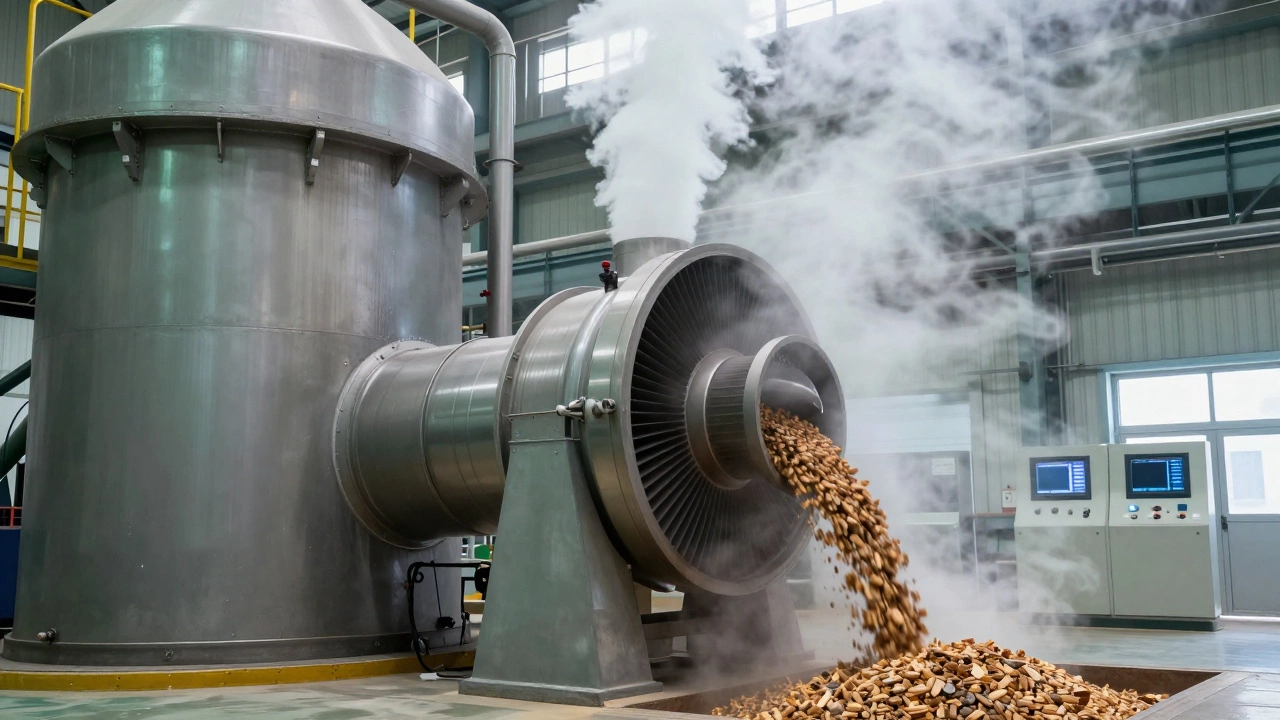
Can You Burn Wood to Generate Electricity? Here's How It Works and Why It Matters
Dec, 4 2025
Burning wood to generate electricity is possible and already used in many countries. It's renewable if forests are managed well, but emissions and efficiency are key concerns. Here's how it works and where it makes sense today.
Read Article→