Soft Drink Safety: What’s Really in Your Bottle and Why It Matters
When you grab a soda, you’re not just buying a drink—you’re consuming a mix of added sugar, refined carbohydrates that spike blood sugar and contribute to obesity and diabetes, artificial sweeteners, chemicals like aspartame and sucralose used to mimic sweetness without calories, and food additives, preservatives, colorings, and flavor enhancers approved by regulators but rarely tested for long-term daily use. These aren’t random ingredients—they’re carefully chosen to make you keep coming back, and the science on their long-term effects is still catching up.
Most soft drinks in India and globally contain 30–40 grams of sugar per can—that’s more than the WHO’s entire daily limit for added sugar. But it’s not just sugar. Phosphoric acid in colas can weaken bones over time. Caramel coloring in dark sodas may contain 4-MEI, a potential carcinogen. Even "diet" versions aren’t harmless: studies link artificial sweeteners to altered gut bacteria, increased sugar cravings, and even weight gain. And while regulators say these are "safe in moderation," no one’s studied what "moderation" means when you drink one every day for 20 years.
What’s missing from the label? The real impact. Soft drink safety isn’t about whether a bottle is sealed or clean—it’s about whether what’s inside is safe for your body, your kids, and your future health. The posts below dig into the hidden risks, the science behind the warnings, and what brands aren’t telling you. You’ll find real data on sugar content in popular drinks, how additives affect your metabolism, and what alternatives actually work. No fluff. Just facts you can use to make smarter choices—one sip at a time.
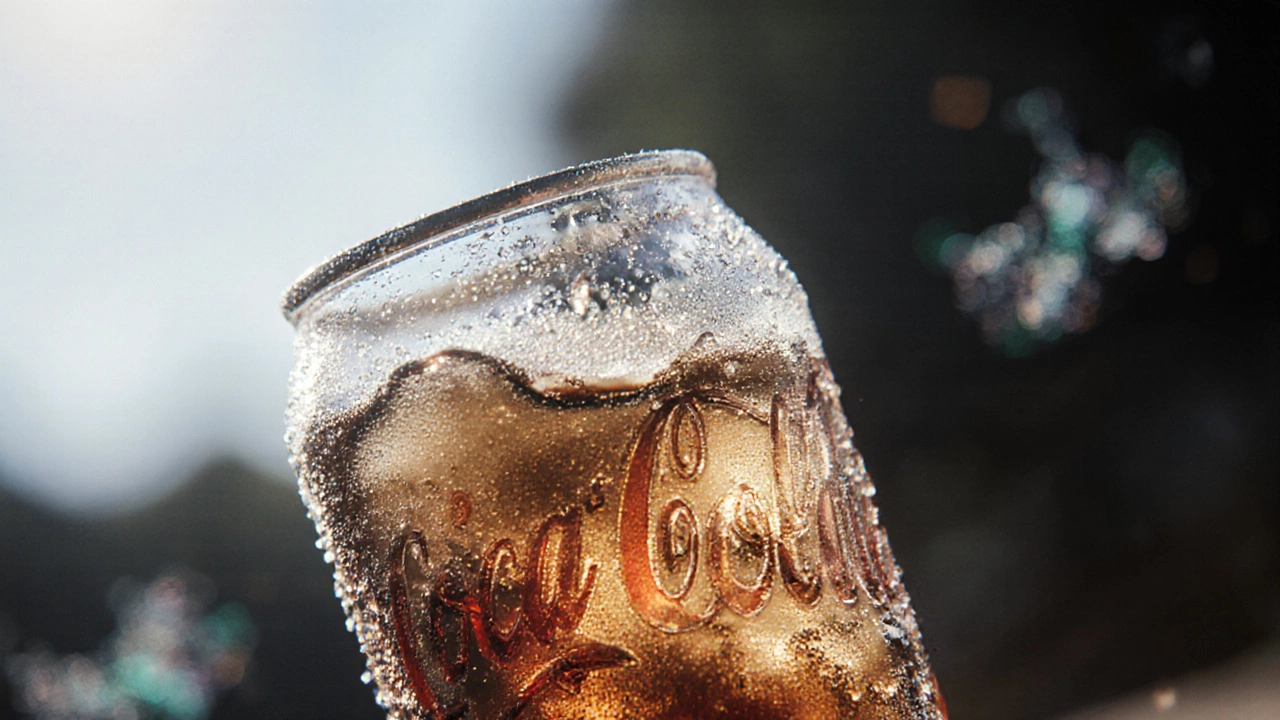
Are nanoparticles in Coke and Pepsi? The truth about nanotech in soft drinks
Nov, 16 2025
Coke and Pepsi don't contain added nanoparticles. Any nanoscale particles in caramel color are natural byproducts, not engineered additives. No evidence shows they're harmful - sugar is the real concern.
Read Article→