Nanotechnology in Food: How Tiny Particles Are Changing What You Eat
When you eat a snack, drink a fortified juice, or bite into a chocolate bar, you might be consuming nanotechnology in food, the use of particles smaller than 100 nanometers to improve nutrition, safety, and shelf life. Also known as food nanotechnology, it’s not science fiction—it’s already in your pantry. These particles are too small to see, but they’re doing big things: delivering vitamins directly to cells, blocking bacteria without chemicals, and making fats dissolve better so you get more nutrition with less.
One key player is nanoencapsulation, a method that wraps sensitive nutrients like omega-3s or probiotics in protective shells so they survive digestion and reach where they’re needed. That’s why some milk cartons now claim to boost brain health or immune support—they’re not magic, they’re nano. Another related tool is nanosensors, tiny devices embedded in packaging that detect spoilage or contamination before you even open the box. These aren’t just lab experiments; companies in India and abroad are already using them in packaged snacks and dairy products.
It’s not all about adding things—it’s also about removing risks. Nanotechnology helps reduce the need for artificial preservatives by blocking microbes at the molecular level. It even helps cut down on salt and sugar by making flavors more intense, so you need less to taste the same. And yes, it’s being used in plant-based meats to mimic the texture of real fat, making alternatives taste and feel more natural.
Some people worry about safety. But regulators in India and globally are testing these materials just like they test any new food additive. The real question isn’t whether it’s safe—it’s whether it’s being used well. Right now, most applications focus on nutrition, not gimmicks. You’ll find it in fortified baby food, energy bars, and even functional teas designed to help with absorption.
What you’ll find below are real examples of how Indian scientists and startups are using this tech—not in labs alone, but in products you can buy. From nanoparticles that carry iron to fight anemia in rural areas, to coatings that keep fruits fresh without wax, these aren’t distant ideas. They’re happening now, right here. And they’re changing what healthy food actually means.
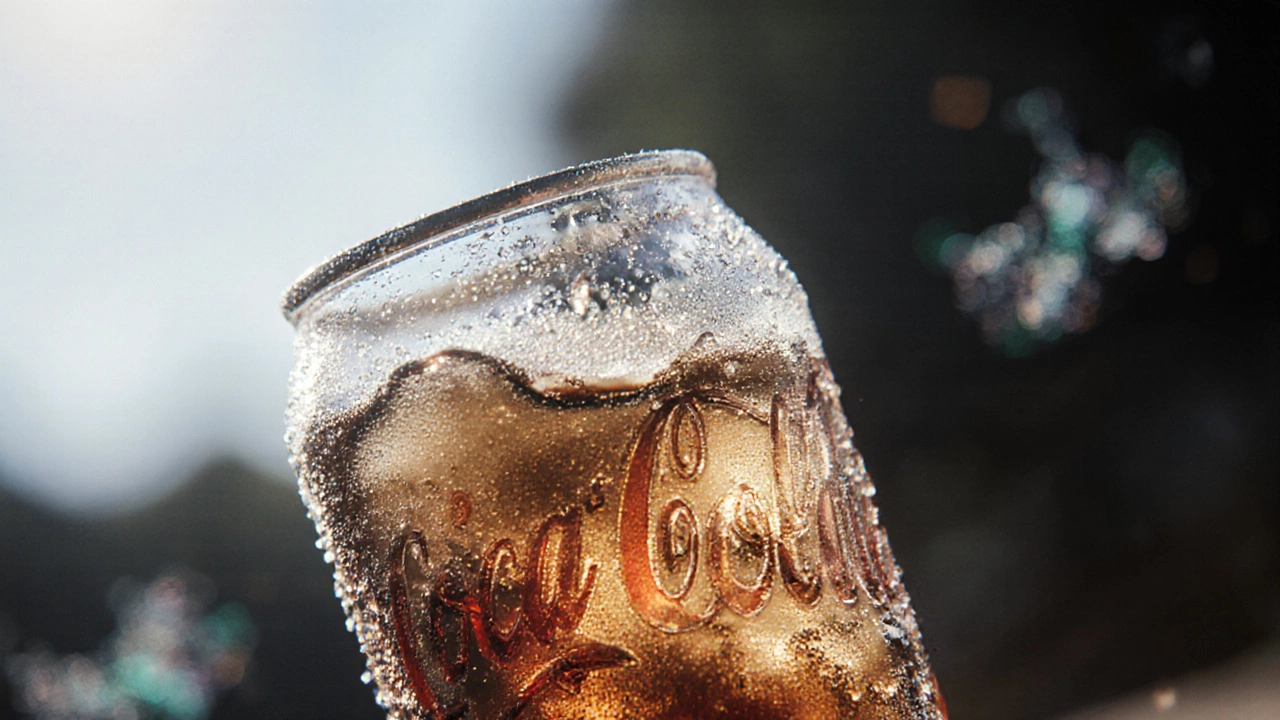
Are nanoparticles in Coke and Pepsi? The truth about nanotech in soft drinks
Nov, 16 2025
Coke and Pepsi don't contain added nanoparticles. Any nanoscale particles in caramel color are natural byproducts, not engineered additives. No evidence shows they're harmful - sugar is the real concern.
Read Article→