Innovation Transfer: How Science Moves from Lab to Life
When a scientist in Bangalore develops a new way to deliver medicine using nanoparticles, or a team in Chennai builds an AI tool that spots diseases in X-rays faster than a doctor, that’s just the start. Innovation transfer, the process of turning scientific discoveries into real-world tools, products, or services that benefit society. Also known as technology transfer, it’s what turns lab notebooks into life-saving apps, affordable solar panels, or drought-resistant crops. Without this step, great science stays stuck—published in journals, forgotten in university labs, or buried under bureaucracy.
Innovation transfer isn’t magic. It’s a chain: researchers create something new, then partners—governments, startups, hospitals, or farmers—help make it usable, affordable, and widespread. In India, this happens every day. Think of nanoparticle drugs like Doxil moving from research papers to cancer clinics, or AI tools in banking making loans faster and fairer. These aren’t theoretical ideas. They’re real examples of innovation transfer in action. The innovation transfer process needs more than good science—it needs clear policies, funding, and people willing to bridge the gap between labs and communities. Public health innovation, for instance, doesn’t just mean better vaccines. It means making sure those vaccines reach villages, not just cities. It means training local workers to use new tools, not just writing reports.
Some of the posts here show how this works in practice. One looks at the 4 P's of innovation, People, Process, Partnerships, and Policy—the real drivers behind lasting change. Another explains how nanoparticles, tiny particles used to target drugs directly to cancer cells moved from theory to medicine. And there’s a piece on how AI in banking, a tool that automates loan approvals and fraud detection didn’t replace humans—it made them better. These aren’t random stories. They’re all pieces of the same puzzle: how science becomes something people actually use.
What you’ll find below isn’t just a list of articles. It’s a map. A map showing how Indian science is moving out of labs and into homes, clinics, farms, and offices. Whether it’s renewable energy systems, health research, or tech careers, each post shows a different turn on the innovation transfer road. You’ll see what’s working, what’s stuck, and who’s making it happen—no jargon, no fluff, just real examples from across India.

What Are the Challenges of Technology Transfer?
Jan, 20 2026
Technology transfer fails not because inventions don't work, but because of cultural, financial, and systemic barriers between labs and markets. This article breaks down the real challenges - from funding gaps to regulatory hurdles - and what actually works.
Read Article→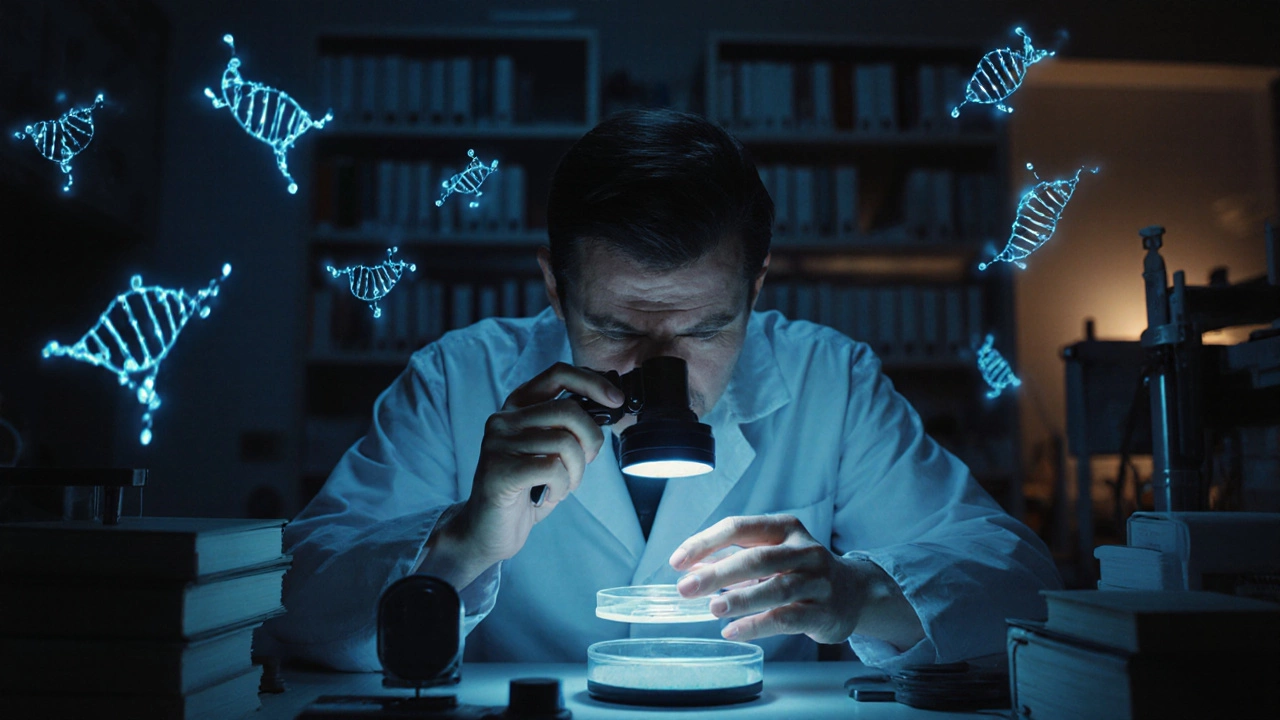
What Is the General Idea of Technology Transfer?
Nov, 28 2025
Technology transfer turns scientific discoveries into real-world solutions-vaccines, clean energy, and smartphones-by moving research from labs to markets. It connects public investment with private innovation.
Read Article→