Burn Wood for Electricity: Can It Really Work?
When you burn wood for electricity, you’re using biomass—organic material like logs, chips, or pellets—as fuel to generate power. Also known as biomass energy, it’s one of the oldest ways humans made energy, and now it’s being revived as a renewable option. But is it clean? Is it efficient? And does it make sense in a country like India, where forests are under pressure and millions still cook on open fires?
It’s not magic. Burning wood releases carbon dioxide, just like coal—but the idea is that trees regrow and reabsorb that CO2, making it carbon-neutral over time. In theory. In practice, it depends on how fast trees are replanted, how far the wood is transported, and whether the burning is done cleanly. Biomass energy, the broader category that includes wood, crop waste, and even animal manure, is used in power plants across Europe and North America. But in India, most biomass projects are small-scale, often tied to sugar mills or rural co-ops that burn sugarcane waste to run turbines. This isn’t about replacing solar panels. It’s about using waste that would otherwise rot or be burned in open fields, turning pollution into power.
Wood pellet power, a more refined version where wood is compressed into dense pellets for cleaner burning, is gaining traction in places like Punjab and Maharashtra, where agricultural waste is abundant. These systems don’t need huge investments—just good supply chains and clean-burning stoves or boilers. But here’s the catch: if you’re cutting down forests just to burn them, you’re not helping the climate. You’re making it worse. The real win? Using what’s already there—rice husks, coconut shells, sawdust from furniture factories—and turning it into electricity without adding new pressure on nature.
Some projects in India are already proving this works. A village in Tamil Nadu runs its lights and water pump on pellets made from coconut husks. A sugar factory in Uttar Pradesh powers half its plant with bagasse—the fibrous leftover from crushing sugarcane. These aren’t sci-fi dreams. They’re real, working systems that cut diesel use and reduce open burning.
So can you burn wood for electricity and call it green? Only if it’s smart. Only if it’s waste. Only if it doesn’t hurt forests or air quality. The posts below show you exactly how this is being done—where it’s working, where it’s failing, and what science says about the real cost of turning trees into power.
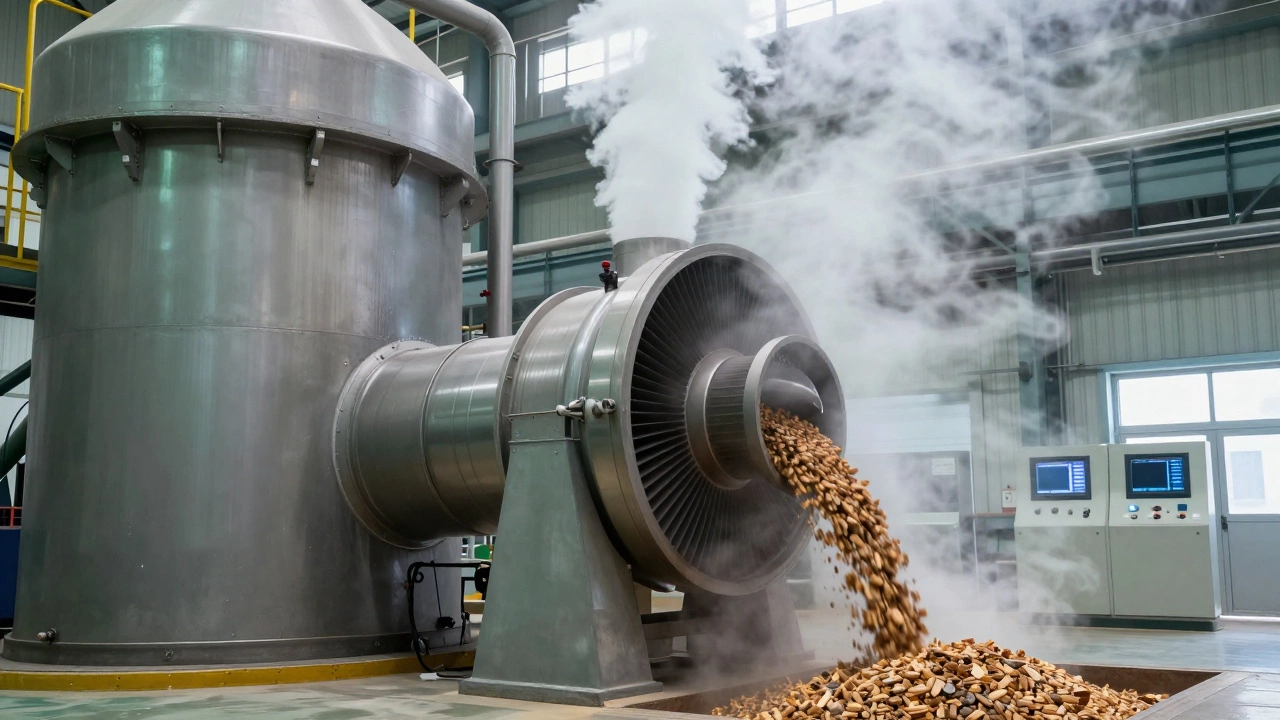
Can You Burn Wood to Generate Electricity? Here's How It Works and Why It Matters
Dec, 4 2025
Burning wood to generate electricity is possible and already used in many countries. It's renewable if forests are managed well, but emissions and efficiency are key concerns. Here's how it works and where it makes sense today.
Read Article→