Biotechnologist: What They Do, How They Shape Medicine, Food, and Beyond
A biotechnologist, a scientist who uses living organisms or biological systems to develop products and technologies. Also known as a biotech researcher, they’re the quiet force behind life-saving drugs, drought-resistant crops, and even cleaner food production. This isn’t science fiction—it’s happening right now in labs across India, where biotechnologists are redesigning how we treat disease, grow food, and even clean our environment.
They don’t just work in test tubes. Many biotechnologists, professionals applying biological principles to industrial and medical challenges are teaming up with nanotechnology, the science of manipulating matter at the atomic or molecular scale to deliver cancer drugs like Doxil and Abraxane directly to tumors, cutting side effects by up to 70%. Others are using synthetic biology, the design and construction of new biological parts and systems to engineer microbes that break down plastic waste or produce biofuels from crop leftovers. These aren’t distant dreams—they’re FDA-approved treatments and pilot projects already running in Indian universities and startups.
What makes a biotechnologist different from a regular biologist? It’s the focus on application. While a biologist might study how a gene works, a biotechnologist asks: Can we use this gene to make insulin cheaper? Can we turn algae into edible protein? Can we detect a disease from a single drop of blood? That’s why you’ll find them working with AI tools to analyze DNA patterns, designing nanoparticles to carry vaccines, or helping farmers grow crops that survive extreme heat—all while keeping costs low for everyday people.
You won’t see their names on headlines, but you’ve likely used their work. The painkiller you take? Maybe it was made using engineered enzymes. The yogurt you eat? Could contain probiotics developed in a biotech lab. The vaccine you got? Likely optimized using genetic engineering techniques pioneered by biotechnologists. And yes, even the soft drinks you drink—while not containing added nanoparticles—still benefit from biotech methods used to purify ingredients and reduce sugar content.
There’s no single path to becoming one. Some start with a biology degree, others with chemical engineering. Many jump into research after a PhD, but India’s growing biotech sector is also hiring technicians, data analysts, and even coders who understand genetic sequences. The field is expanding fast—and the questions they’re trying to answer are getting more urgent.
What’s next? Better cancer treatments. Climate-resilient rice. Lab-grown meat that tastes real. Antibiotic alternatives. All of it starts with a biotechnologist asking the right question—and then building the solution. Below, you’ll find real examples of how Indian innovators in this field are turning theory into life-changing tools, one experiment at a time.
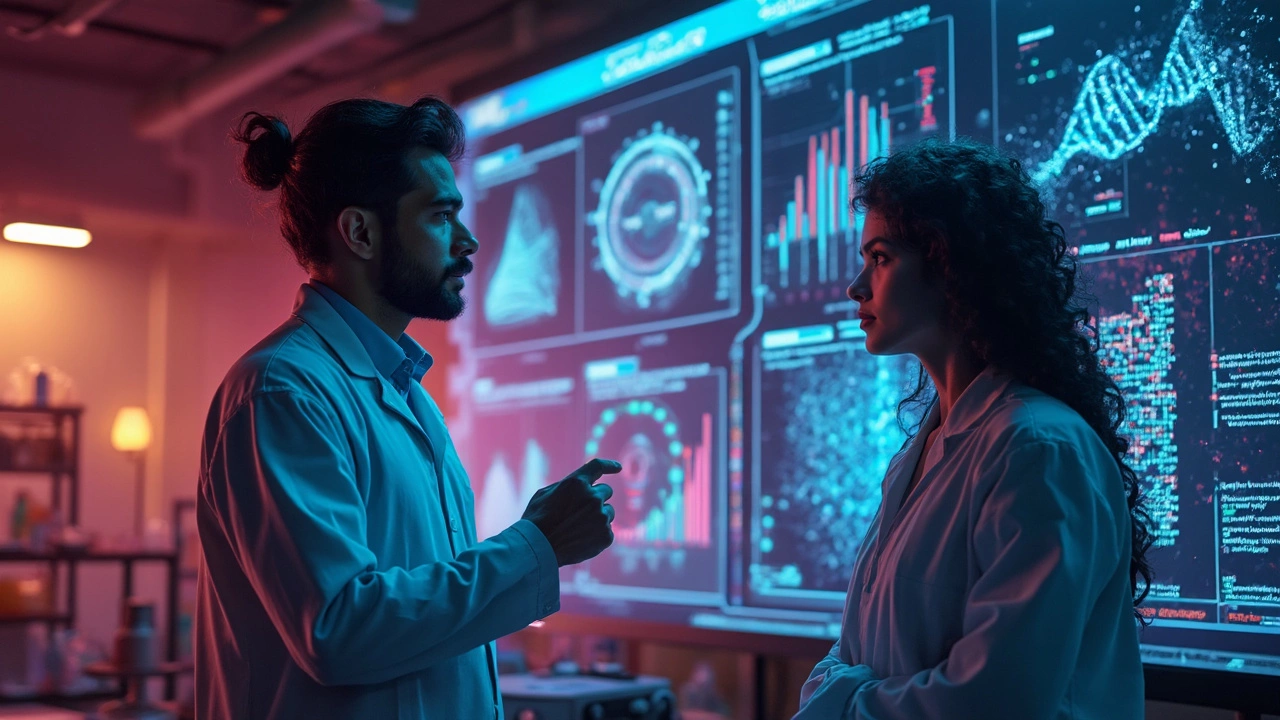
Can a Biotechnologist Leap into Data Science Success?
Apr, 8 2025
Biotechnologists pondering a career change to data science might find a surprising amount of overlap between the two fields. Data analysis, scientific inquiry, and a natural curiosity about technology can make this transition both possible and rewarding. With a bit of retraining and the right mindset, biotechnologists can leverage their skills and experience in a data-driven world. This article explores key steps and challenges in making this career switch.
Read Article→