Biotech Advancements: How Science Is Changing Medicine, Food, and Daily Life
When we talk about biotech advancements, the application of biological systems and living organisms to develop or make products. Also known as biological technology, it’s not just about test tubes and labs—it’s about fixing diseases, cleaning food, and even redesigning how medicine works. This isn’t science fiction. It’s happening right now in labs across India, turning old assumptions into new realities.
One of the biggest shifts is in nanomedicine, the use of tiny particles, smaller than a human cell, to deliver drugs exactly where they’re needed. Think of it like a guided missile for cancer cells. Drugs like Doxil and Abraxane use this tech to shrink tumors while sparing healthy tissue. And no, you won’t find engineered nanoparticles in your soda—Coke and Pepsi have none added. Any tiny particles in caramel color are natural byproducts, not dangerous additives. The real problem? Sugar. But biotech is giving us better tools to fight it.
Then there’s AI in biotech, how machine learning speeds up drug discovery, predicts protein structures, and analyzes genetic data. It’s not replacing scientists—it’s giving them superpowers. AI can test millions of chemical combinations in days, something that used to take years. That’s why breakthroughs in synthetic biology—designing new biological parts—are happening faster than ever. These aren’t just lab curiosities. They’re leading to cheaper vaccines, drought-resistant crops, and biosensors that detect disease before symptoms appear.
You don’t need a PhD to see the impact. If you’ve ever taken a targeted cancer drug, eaten food tested for contaminants, or used a diagnostic test that gave results in minutes, you’ve felt the ripple of biotech advancements. The real story isn’t just the tech—it’s who’s building it. Indian researchers are leading in affordable biotech solutions, from low-cost diagnostics to plant-based alternatives that don’t need massive factories.
What you’ll find below isn’t a list of buzzwords. It’s a collection of real stories: how AI is helping biotech labs work smarter, why nanoparticle drugs are changing cancer treatment, and the truth about nanotech in everyday products. No fluff. No hype. Just clear, grounded insights from the front lines of Indian science.
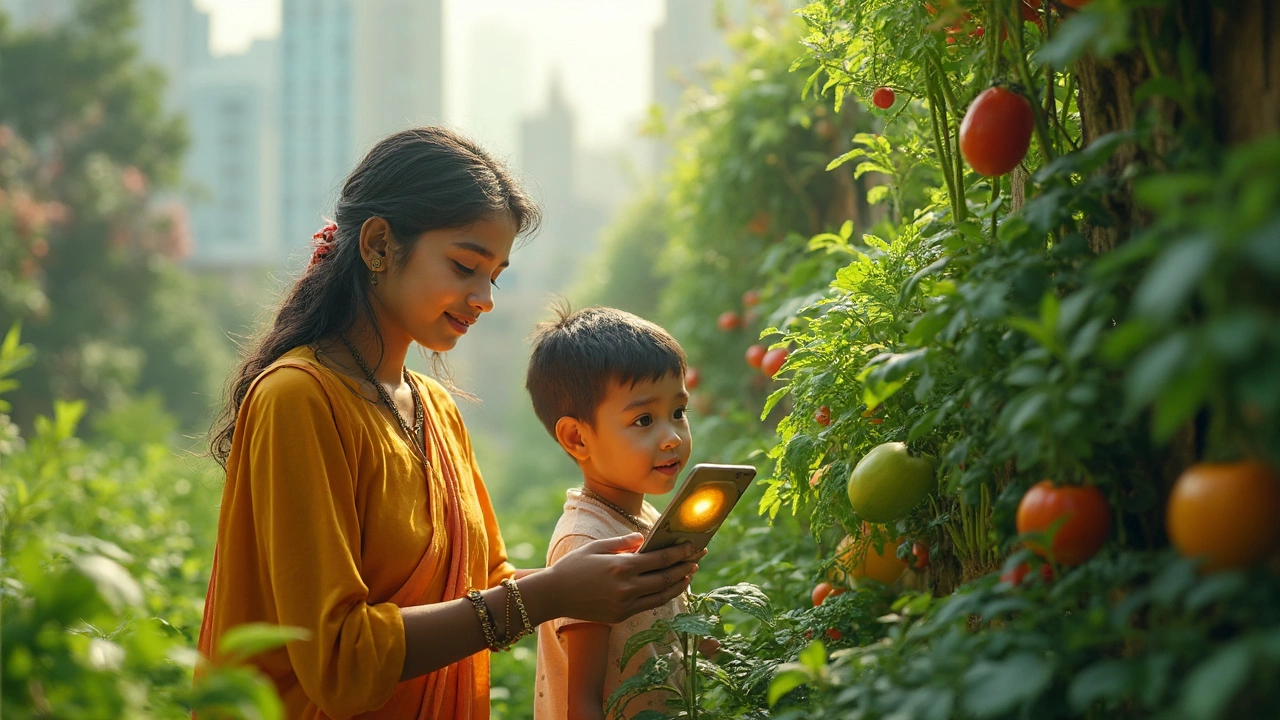
Future Biotechnology: Where Science Meets Everyday Life
May, 27 2025
This article looks at the future of biotechnology and what it means for our daily lives. From crops that fight climate change to medicines tailored just for you, future biotech is already shaping everything from what we eat to how we heal. Explore real breakthroughs, interesting facts, and clear tips on what to expect in the coming years. Get practical, no-nonsense insights into how this tech could change your world sooner than you think. Whether you're curious or cautious, discover how biotech is joining your day-to-day experience.
Read Article→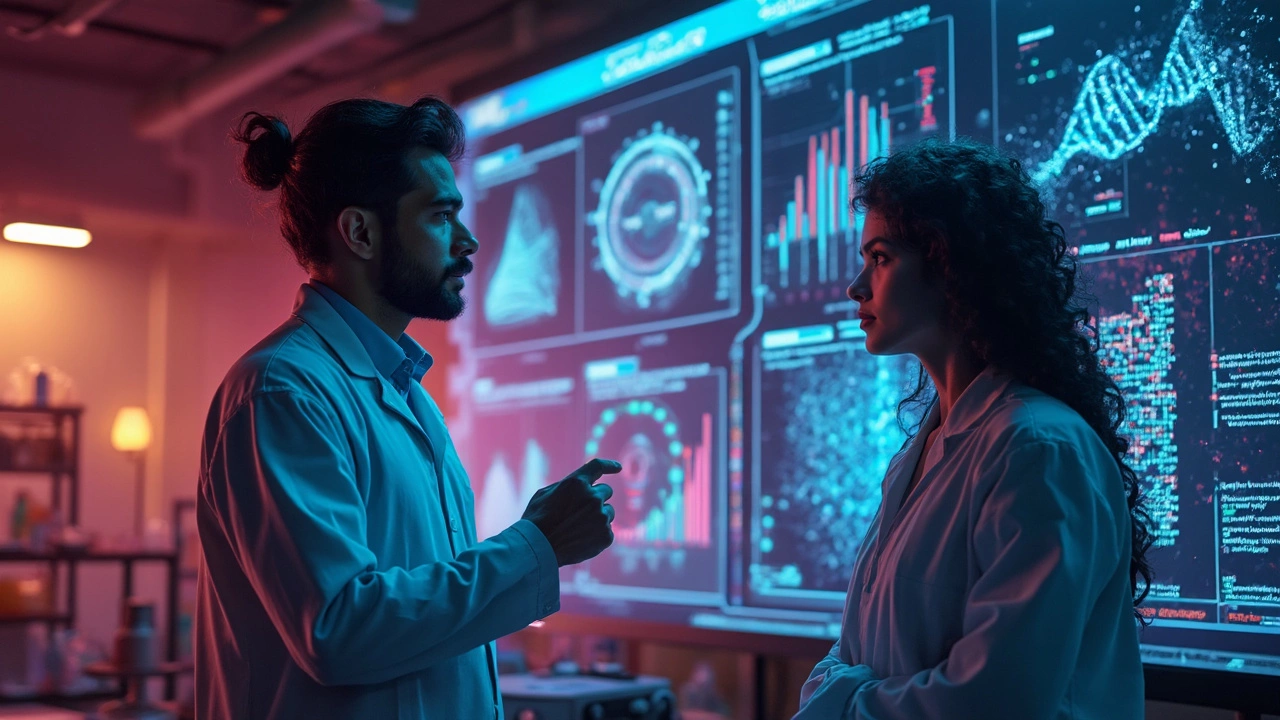
Can a Biotechnologist Leap into Data Science Success?
Apr, 8 2025
Biotechnologists pondering a career change to data science might find a surprising amount of overlap between the two fields. Data analysis, scientific inquiry, and a natural curiosity about technology can make this transition both possible and rewarding. With a bit of retraining and the right mindset, biotechnologists can leverage their skills and experience in a data-driven world. This article explores key steps and challenges in making this career switch.
Read Article→
Top Three Trends Shaping the Future of Biotechnology
Feb, 17 2025
The biotechnology industry is experiencing rapid growth, driven by cutting-edge advancements in gene editing, personalized medicine, and sustainable biotech. These trends are transforming healthcare and environmental solutions, paving the way for more efficient and tailored approaches. Understanding these trends is crucial for keeping up with the industry's evolution and staying ahead. Discover how CRISPR, AI-driven drug discovery, and bioplastic innovations are setting the stage for the future.
Read Article→