Biomass Power: How India Is Turning Waste Into Energy
When you think of clean energy, you might picture solar panels or wind turbines—but biomass power, a form of renewable energy generated by burning organic materials like crop residues, wood waste, and animal manure. Also known as bioenergy, it’s one of the oldest and most practical ways to turn waste into electricity. In India, where farmers burn fields and cities drown in organic trash, biomass isn’t just an alternative—it’s a solution waiting to be scaled.
What makes biomass power different from other renewables? It doesn’t need sun or wind. It works day and night, using materials that would otherwise rot or pollute. A rice farmer in Punjab can turn leftover straw into electricity for his village. A sugar mill in Maharashtra can use bagasse—the fibrous leftover from sugarcane—to power its own operations and sell extra power to the grid. This isn’t theory. It’s happening right now, in hundreds of small plants across rural India. And it’s not just about energy. It’s about jobs, cleaner air, and reducing the need for imported coal.
But it’s not perfect. Burning biomass still releases carbon dioxide—though it’s part of a natural cycle, since the plants absorbed that CO2 while growing. The real issue? Poorly managed plants can spew smoke and toxins. That’s why clean, modern biomass systems—like gasifiers and anaerobic digesters—are the future. These techs turn waste into gas or biogas, burning it cleanly and even capturing the leftover ash as fertilizer. And here’s the kicker: India has more biomass potential than most countries. With over 500 million tons of agricultural waste each year, we’re sitting on a power plant made of leftovers.
You’ll find posts here that break down how biomass plants actually work, what policies are helping or hurting them, and which Indian startups are building the next generation of bioenergy tech. You’ll also see how this connects to bigger ideas like renewable energy limits, technology transfer from labs to farms, and why 100% renewable grids still need flexible sources like biomass. This isn’t just about power. It’s about turning India’s biggest waste problem into its quietest energy win.
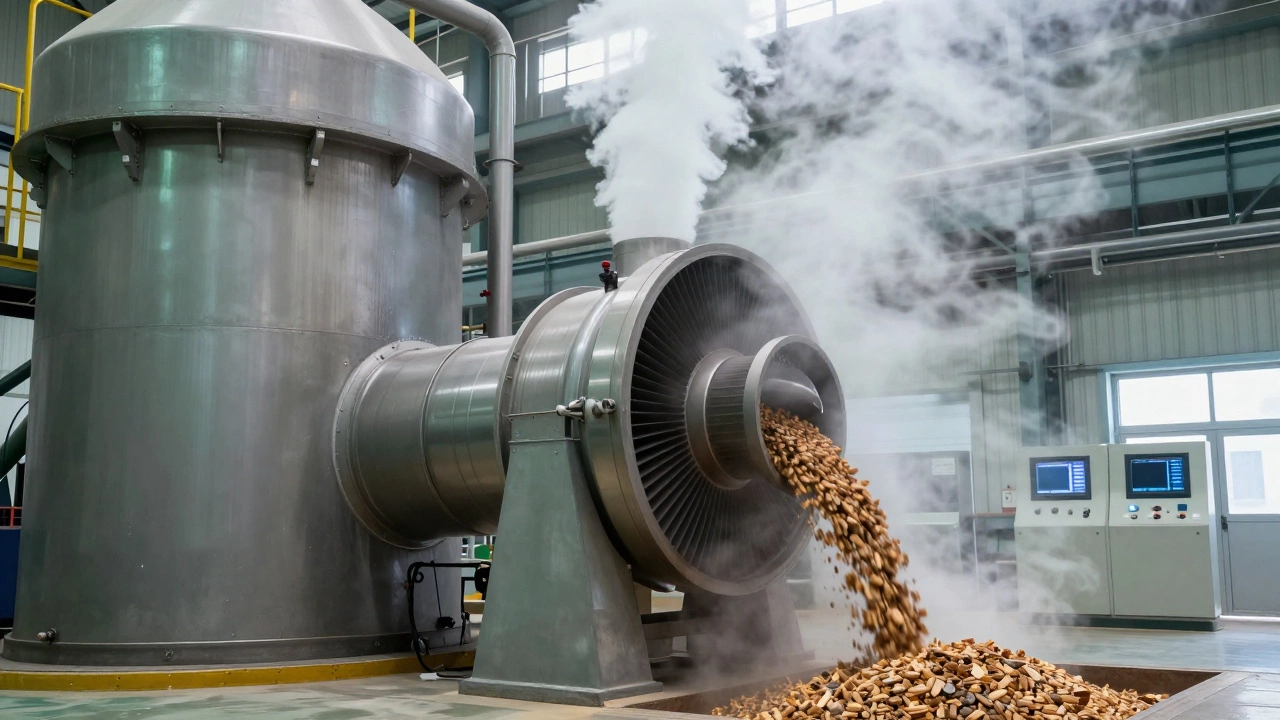
Can You Burn Wood to Generate Electricity? Here's How It Works and Why It Matters
Dec, 4 2025
Burning wood to generate electricity is possible and already used in many countries. It's renewable if forests are managed well, but emissions and efficiency are key concerns. Here's how it works and where it makes sense today.
Read Article→