Real-World Examples of Nanotechnology in Human Health
 May, 28 2026
Nanotechnology in Health: Impact Calculator
Explore how nanotechnology improves medical outcomes compared to traditional methods. Select a healthcare area to see the specific benefits and efficiency gains.
We often hear about nanotechnology as a futuristic concept from science fiction movies. In reality, it is already quietly revolutionizing how we treat diseases and diagnose conditions. By manipulating matter at the atomic and molecular scale-typically between 1 and 100 nanometers-scientists have created tools that are smaller than bacteria but powerful enough to change medicine forever.
The core idea is simple: when you shrink materials down to this size, their physical and chemical properties change. Gold becomes red instead of yellow. Metals become stronger. Chemical reactions happen faster. In healthcare, these changes allow us to target cells with precision that was previously impossible. But what does this actually look like in a hospital or a pharmacy today? Let’s break down the real-world applications that are saving lives right now.
What is the most common use of nanotechnology in medicine?
The most widespread application is in drug delivery systems, particularly for cancer treatment. Nanoparticles can carry chemotherapy drugs directly to tumor cells, reducing damage to healthy tissue.
Targeted Drug Delivery: The Smart Courier System
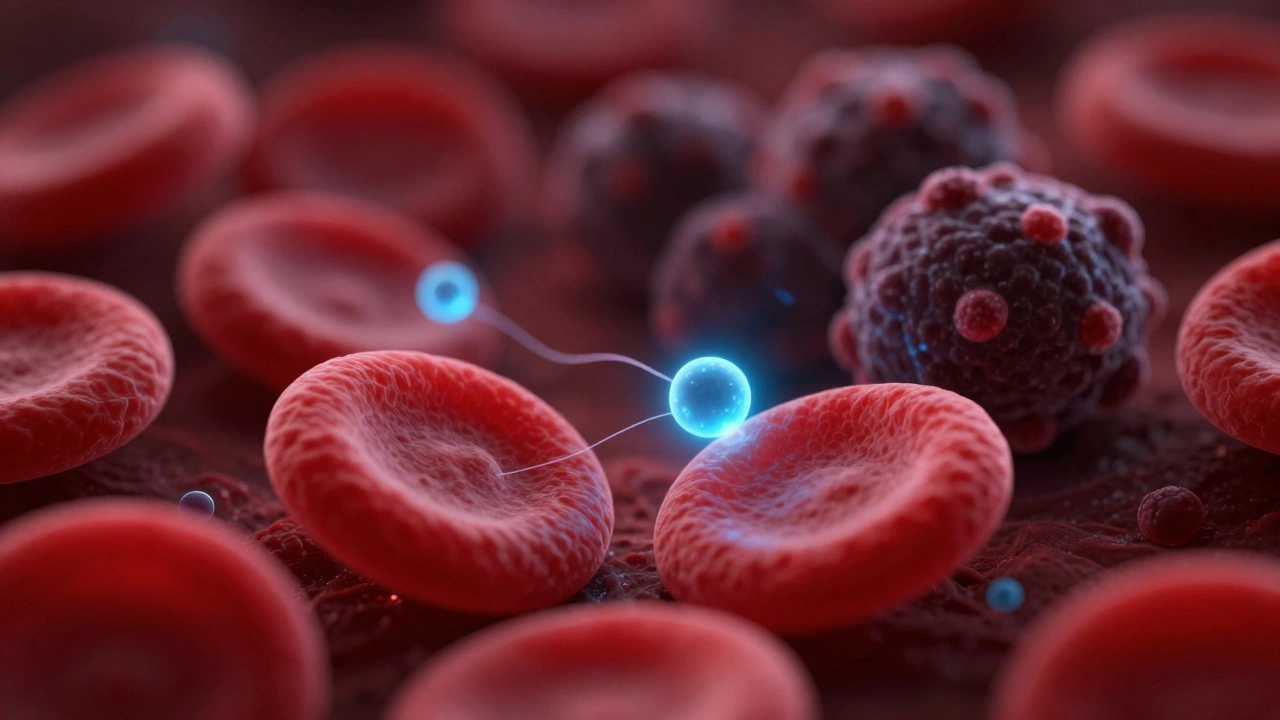
Traditional chemotherapy is a blunt instrument. It kills rapidly dividing cells, which includes cancer cells, but also hair follicles, gut lining, and immune cells. This causes severe side effects like nausea, hair loss, and weakened immunity. Nanoparticle drug delivery is a method where nanoparticles act as carriers to transport therapeutic agents directly to diseased cells.
Imagine sending a courier who knows exactly which house to deliver to, rather than spraying packages over an entire neighborhood. That is what liposomes and polymeric nanoparticles do. These tiny spheres encapsulate drugs and travel through the bloodstream. They are designed to accumulate in tumor tissues because tumors have leaky blood vessels (a phenomenon known as the Enhanced Permeability and Retention effect).
A prime example is Doxil, a liposomal formulation of doxorubicin. It treats ovarian cancer and Kaposi’s sarcoma. Because the drug is wrapped in a lipid bilayer, it stays hidden from the body’s defenses longer and releases its payload specifically in the tumor environment. This reduces heart toxicity, a major risk with standard doxorubicin. Other examples include Abraxane, which uses albumin-bound paclitaxel to treat breast and lung cancers more effectively than traditional solvents.
For those interested in exploring other specialized directories and resources, you might find this resource useful for different types of information needs, though our focus here remains strictly on medical advancements.
Diagnostics: Seeing the Unseeable
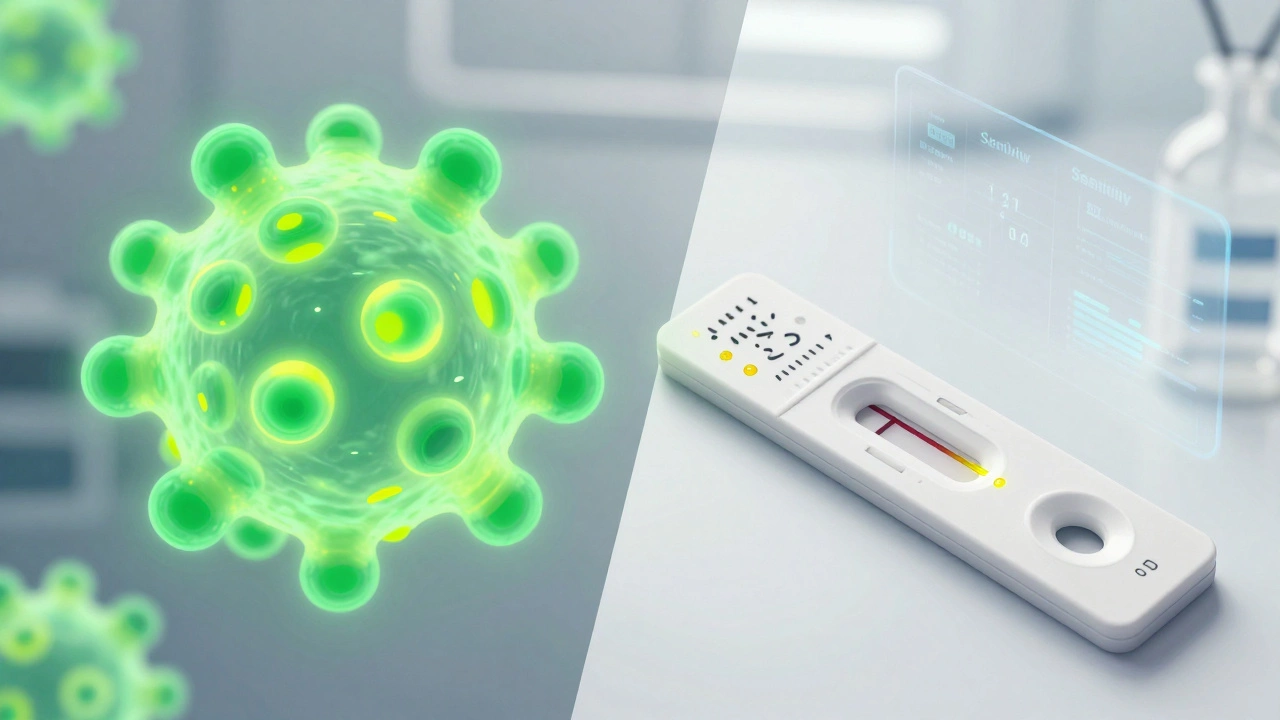
Catching a disease early is often the difference between life and death. Nanotechnology enhances diagnostic tools by making them incredibly sensitive. Quantum dots are semiconductor nanoparticles that emit bright, stable fluorescence when exposed to light.
In imaging, quantum dots outperform traditional dyes. They don’t fade quickly, so doctors can watch cellular processes in real-time for hours. This helps in tracking how cancer spreads or how viruses infect cells. Additionally, gold nanoparticles are used in rapid diagnostic tests. You’ve likely seen lateral flow assays, like pregnancy tests or rapid strep tests. Some advanced versions use gold nanoparticles to detect specific proteins or DNA sequences associated with diseases like HIV or malaria within minutes, even in remote areas without lab equipment.
Magnetic resonance imaging (MRI) has also been boosted by superparamagnetic iron oxide nanoparticles. These particles act as contrast agents, lighting up specific organs or lesions on scans. They help radiologists spot small tumors or inflammation that would otherwise be invisible.
Tissue Engineering: Building Better Bodies
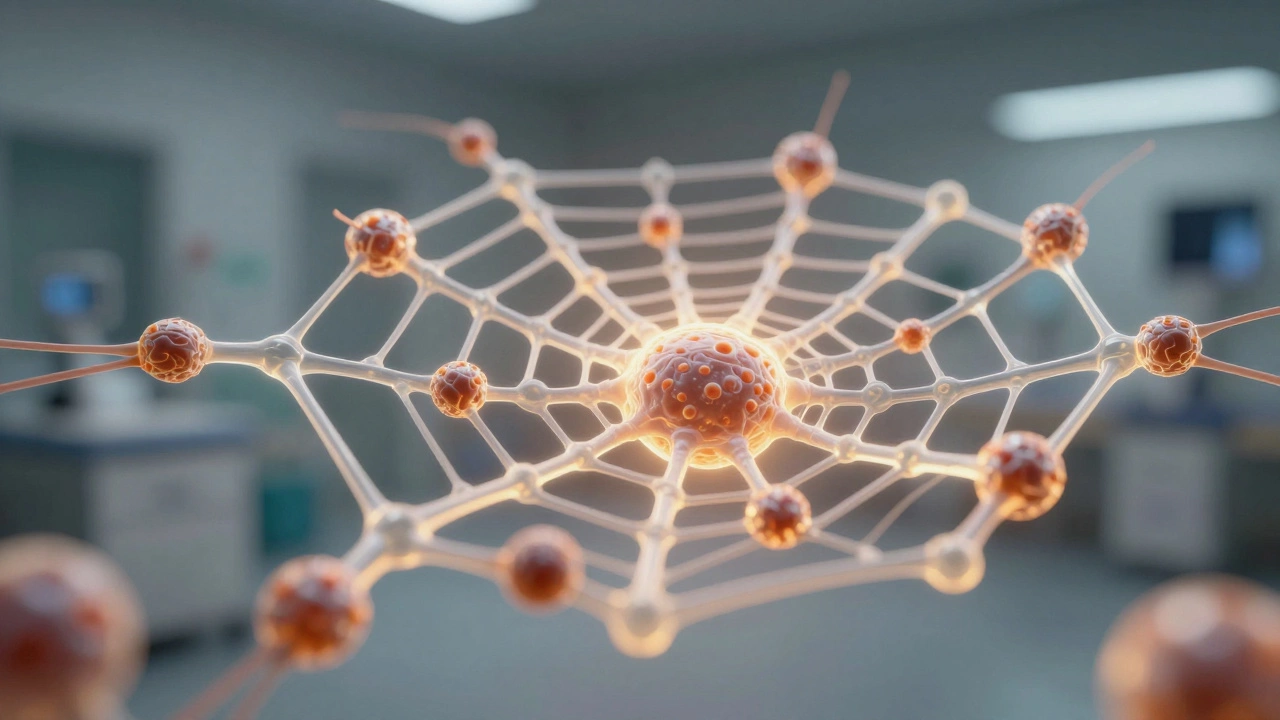
When organs fail, transplants are the last resort. But donor organs are scarce. Nanotechnology offers a way to build scaffolds that encourage your own body to grow new tissue. Nanoscaffolds are microscopic structures that mimic the extracellular matrix of natural tissues.
Think of a scaffold as a temporary framework. Engineers create these using electrospinning, a process that shoots out fibers thinner than a human hair. These fibers resemble collagen, the protein that holds our skin and bones together. Stem cells are placed on these scaffolds. As the cells multiply, they follow the structure of the scaffold, forming bone, cartilage, or skin tissue.
This is crucial for burn victims. Nano-fiber dressings promote faster healing and reduce scarring compared to traditional gauze. For bone fractures, especially in elderly patients with osteoporosis, nano-hydroxyapatite coatings on titanium implants help the bone fuse with the metal much faster, reducing recovery time from months to weeks.
Antimicrobial Coatings: Fighting Superbugs
Antibiotic resistance is one of the biggest threats to global health. Bacteria are evolving to survive our best drugs. Nanotechnology provides a physical way to kill microbes without relying solely on chemical antibiotics. Silver nanoparticles are tiny particles of silver that disrupt bacterial cell walls and DNA replication.
Silver has been used for centuries to prevent infection, but at the nanoscale, it is exponentially more effective. Silver nanoparticles pierce the cell wall of bacteria, causing them to leak and die. They also interfere with the bacteria’s ability to replicate. This property is now being integrated into surgical instruments, catheters, and wound dressings.
Hospitals are testing paint containing copper and zinc nanoparticles for walls and door handles. These surfaces continuously kill pathogens, reducing hospital-acquired infections like MRSA. Similarly, nanocoated ventilator tubes prevent biofilms from forming inside, which is a common cause of pneumonia in ICU patients.
Biosensors: Real-Time Health Monitoring
We are moving towards a future where your health status is monitored continuously, not just during annual checkups. Nanosensors are devices that detect biological signals and convert them into readable data.
Current glucose monitors for diabetics are bulky and require finger pricks. New nanosensor patches sit on the skin and measure glucose levels in sweat or interstitial fluid. They send data wirelessly to your phone. Beyond diabetes, researchers are developing sensors that can detect biomarkers for heart attacks or strokes in saliva or breath. Imagine exhaling into a device that alerts you to high cholesterol or early signs of liver disease before you feel any symptoms.
| Feature | Traditional Method | Nano-enabled Method |
|---|---|---|
| Drug Delivery | Systemic distribution (whole body) | Targeted delivery to specific cells |
| Imaging Sensitivity | Limited resolution; fades over time | High resolution; stable fluorescence |
| Infection Control | Chemical antibiotics (resistance risk) | Physical disruption (low resistance risk) |
| Monitoring Frequency | Periodic (daily/weekly) | Continuous (real-time) |
Safety and Ethical Considerations
With great power comes great responsibility. Because nanoparticles are so small, they can cross barriers in the body that larger particles cannot, such as the blood-brain barrier. This is useful for treating brain tumors, but it raises concerns about unintended toxicity. We need rigorous long-term studies to understand how these particles accumulate in organs like the liver or kidneys.
Regulatory bodies like the FDA are updating guidelines to address nano-specific risks. Manufacturers must prove that their products degrade safely or are excreted from the body. Transparency is key. Patients should know if a treatment involves experimental nanomaterials. As we integrate these technologies deeper into healthcare, balancing innovation with safety will remain a critical challenge.
Is nanotechnology safe for humans?
Most approved nanomedicines are safe, but long-term effects are still being studied. Regulatory agencies require strict testing to ensure nanoparticles do not accumulate toxically in organs.
How do nanoparticles target cancer cells?
They exploit the "Enhanced Permeability and Retention" effect, where tumor blood vessels are leaky, allowing nanoparticles to accumulate in the tumor while sparing healthy tissue.
What are some everyday products with nanotechnology?
Sunscreen with zinc oxide nanoparticles, stain-resistant clothing, and antimicrobial wound dressings are common consumer products using nanotech.
Can nanotechnology cure Alzheimer's?
It is not yet a cure, but nanocarriers are being tested to deliver drugs across the blood-brain barrier to clear amyloid plaques, showing promise in early trials.
How soon will nano-sensors be widely available?
Some continuous glucose monitors are already available. Broader biosensors for heart disease or cancer detection are expected to reach consumers within the next 5-10 years.