10 Disadvantages of Biotechnology: Risks, Ethics, and Challenges
 May, 22 2026
Biotechnology Risk Assessment Calculator
Scenario: Ethical Dilemmas
Risk Assessment Result
Analysis:
Adjust the parameters on the left to generate a risk profile based on the disadvantages outlined in the article.
Biotechnology promises cures for incurable diseases, crops that withstand drought, and energy sources derived from algae. It sounds like a utopia. But every technological leap carries a shadow. While we celebrate the breakthroughs in gene editing and synthetic biology, we often overlook the significant downsides. Understanding these disadvantages of biotechnology is not about stopping progress; it is about navigating it safely. From ethical dilemmas to environmental hazards, here are ten critical challenges we face today.
1. Ethical Dilemmas in Human Genetic Engineering
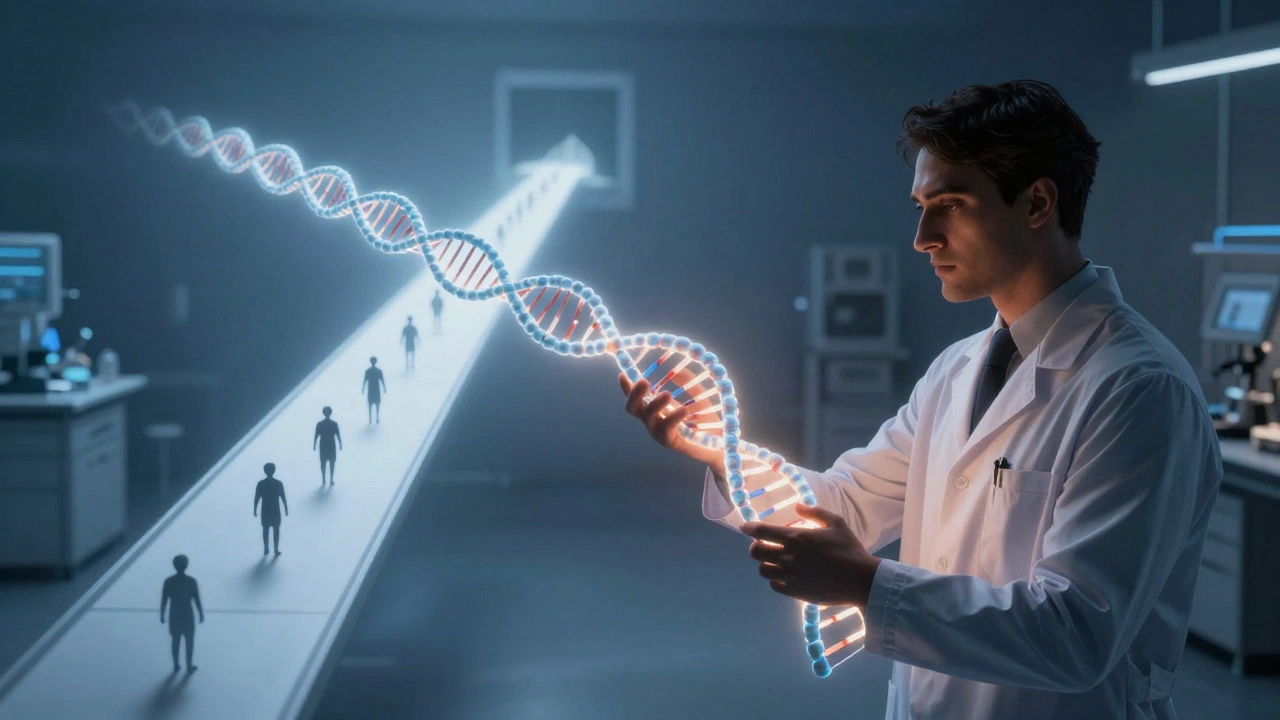
The ability to edit human DNA using tools like CRISPR-Cas9 raises profound moral questions. When we can potentially eliminate genetic disorders, where do we draw the line? The concept of "designer babies"-selecting traits like eye color or intelligence-is no longer just science fiction. This creates a slippery slope toward eugenics, where society might value certain genetic profiles over others. The lack of global consensus on what constitutes an acceptable intervention leaves us in a regulatory gray area. We risk creating a biological caste system based on who can afford genetic enhancements.
2. Environmental Risks of Genetically Modified Organisms (GMOs)
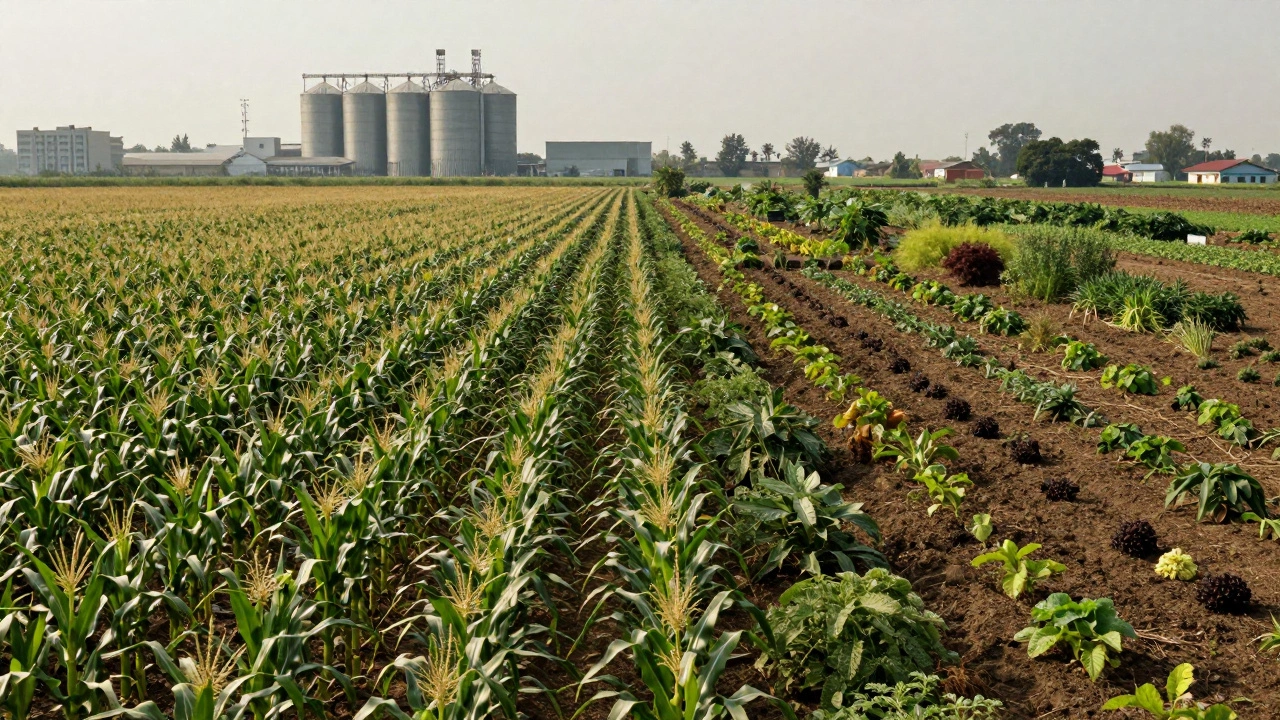
Genetically Modified Organisms (GMOs) are engineered to resist pests or tolerate herbicides. However, their release into the wild poses unpredictable ecological risks. Gene flow occurs when modified genes transfer to wild relatives through cross-pollination. This can create "superweeds" that are resistant to all known herbicides, forcing farmers to use even more toxic chemicals. Additionally, non-target species may be harmed. For example, butterflies feeding on pollen from GM corn have shown mortality rates in laboratory settings. These unintended consequences disrupt local ecosystems and biodiversity.
3. High Costs and Corporate Monopolies
Biotechnology is capital-intensive. Research and development require billions of dollars, leading to high barriers to entry. A few multinational corporations dominate the sector, controlling patents on seeds, drugs, and diagnostic tests. This monopoly power allows them to set high prices, making life-saving treatments inaccessible to low-income populations. Farmers often cannot save seeds from GM crops due to strict intellectual property laws, forcing them to buy new seeds every season. This economic dependency shifts power away from smallholders and towards corporate giants, threatening food sovereignty.
4. Biosafety Hazards and Accidental Releases
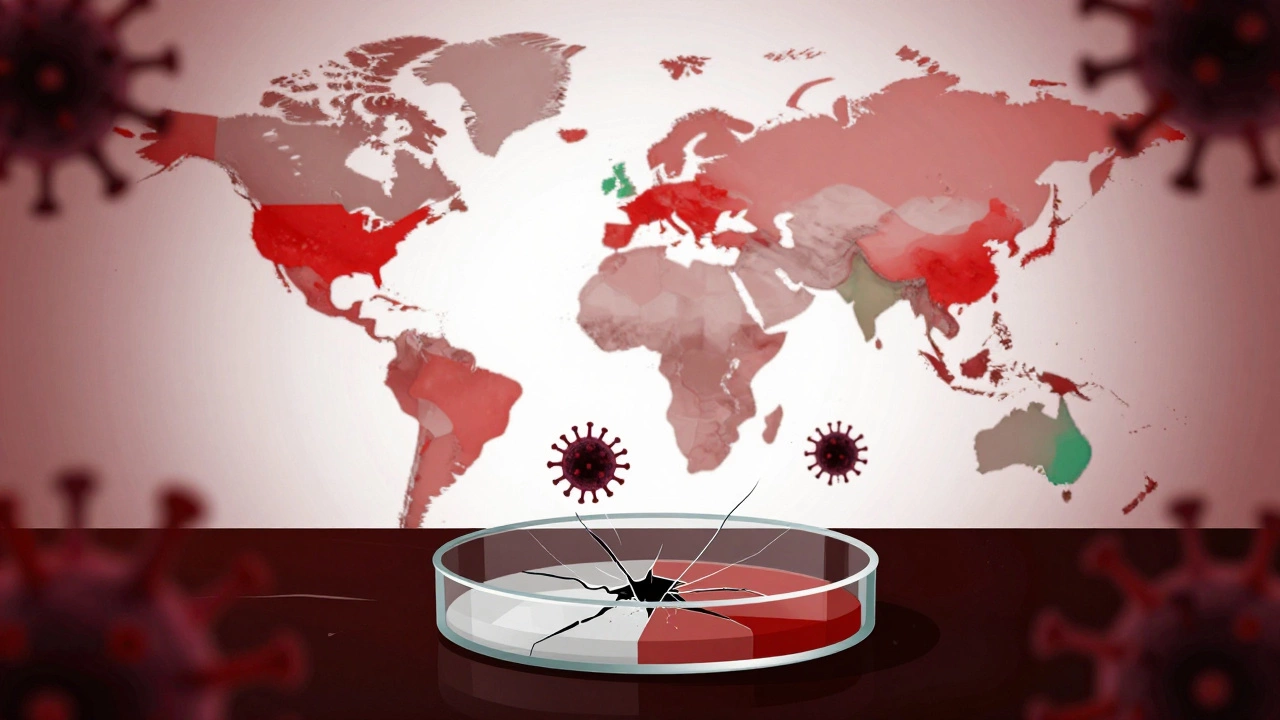
Laboratories working with pathogens or genetically modified organisms carry inherent risks. Accidental releases of engineered microbes could lead to outbreaks if containment fails. Synthetic biology makes it easier to recreate dangerous viruses, raising fears of bioterrorism. Even well-intentioned experiments can go wrong. A lab-created organism designed to break down plastic might mutate and start consuming other organic materials. The potential for catastrophic biosafety incidents necessitates rigorous protocols, but human error remains a constant threat.
5. Bioethical Concerns Regarding Animal Welfare
Animals are extensively used in biomedical research and as models for human disease. Biotechnology has intensified this usage through techniques like transgenesis, where animals are engineered to carry human genes. Mice, pigs, and primates are modified to study conditions like cancer or Alzheimer's. These procedures often cause suffering, pain, and distress. The ethical debate centers on whether the potential benefits to humans justify the harm inflicted on sentient beings. Alternatives like organ-on-a-chip technology exist but are not yet fully scalable.
6. Intellectual Property Issues and Patent Trolls
Patenting life forms is controversial. Companies patent genes, cells, and even entire organisms. This restricts access to fundamental building blocks of life for researchers and competitors. "Patent trolls" acquire patents solely to sue innovators, stifling competition and slowing down scientific progress. Researchers must navigate complex legal landscapes to ensure they are not infringing on existing patents. This legal burden diverts resources from actual experimentation and discourages open collaboration in science.
7. Public Misinformation and Fear
Misinformation spreads rapidly, especially regarding topics perceived as risky. False claims about GMOs causing cancer or infertility persist despite overwhelming scientific evidence to the contrary. This fear leads to public rejection of beneficial technologies, such as golden rice fortified with vitamin A to prevent blindness in developing countries. The gap between scientific consensus and public perception creates policy paralysis. Governments hesitate to approve safe innovations due to political pressure, delaying solutions to pressing health and agricultural problems.
8. Regulatory Gaps and Global Inconsistency
Regulation of biotechnology varies wildly across borders. The European Union maintains strict precautionary principles, while the United States adopts a more product-based approach. This inconsistency hampers international trade and cooperation. A drug approved in one country may be banned in another without clear scientific justification. Emerging technologies like gene drives outpace current regulatory frameworks. Without harmonized global standards, rogue actors can exploit loopholes, leading to unsafe practices and uneven protection of citizens.
9. Loss of Biodiversity and Traditional Knowledge
The push for uniform, high-yield GM crops threatens agricultural biodiversity. Farmers replace diverse local varieties with a few patented strains. This monoculture practice makes food systems vulnerable to pests and climate change. If a single disease strikes, it can wipe out entire harvests globally. Furthermore, indigenous communities lose control over their traditional seeds and knowledge. Their cultural heritage, tied to specific landraces, erodes as commercial biotech dominates the market. This loss reduces our adaptive capacity in the face of environmental changes.
10. Long-Term Health Uncertainties
While short-term studies show GMOs and biotech products are generally safe, long-term effects remain less understood. Critics argue that decades-long epidemiological data are lacking. Potential allergens introduced via genetic modification could trigger immune responses in sensitive individuals. Horizontal gene transfer from GM bacteria to gut flora is another theoretical concern. Although no direct link has been proven, the absence of evidence is not evidence of absence. Continuous monitoring and transparent reporting are essential to address these uncertainties responsibly.
| Disadvantage Category | Key Risk | Impact Area |
|---|---|---|
| Ethical Dilemmas | Designer babies, eugenics | Social equity |
| Environmental Risks | Superweeds, biodiversity loss | Ecosystems |
| Economic Barriers | High costs, monopolies | Access to healthcare/food |
| Biosafety | Accidental releases, bioterrorism | Public safety |
| Animal Welfare | Suffering in research models | Ethics |
Frequently Asked Questions
Are genetically modified foods safe to eat?
Yes, according to major scientific organizations like the World Health Organization and the National Academy of Sciences, currently available GM foods are safe. They undergo rigorous testing before approval. However, ongoing monitoring is necessary to detect any rare long-term effects.
What is the biggest ethical concern in biotechnology?
The most debated ethical issue is human germline editing, which allows changes to be passed down to future generations. This raises fears of eugenics and creating social inequality based on genetic enhancements.
How does biotechnology affect the environment?
It can reduce pesticide use but also risks creating superweeds and harming non-target species. Gene flow from GM crops to wild plants can alter ecosystems unpredictably, reducing biodiversity.
Why are biotech drugs so expensive?
High R&D costs, clinical trial expenses, and patent protections allow companies to charge premium prices. Lack of generic competition during patent periods keeps costs high for patients.
Can biotechnology help solve world hunger?
Potentially, yes. GM crops can offer higher yields and resistance to pests. However, economic factors like seed cost and corporate control often limit access for poor farmers, hindering its effectiveness.
What are the risks of CRISPR technology?
CRISPR can cause off-target effects, unintentionally altering parts of the genome. This could lead to new health issues or mutations. Ethical risks include misuse for non-therapeutic enhancements.
Is there a global regulation for biotechnology?
No, regulations vary by country. The EU is stricter, while the US focuses on end-products. This lack of harmony complicates international trade and scientific collaboration.
How does biotechnology impact animal welfare?
Animals used in research often suffer from genetic modifications that cause pain or disease. Ethical concerns arise regarding the balance between scientific benefit and animal suffering.
What is a "superweed"?
A superweed is a wild plant that has acquired herbicide-resistant genes from nearby GM crops through cross-pollination. These weeds become difficult to kill, requiring stronger chemicals.
Can biotechnology lead to job losses in agriculture?
Automation and efficiency gains from biotech can reduce labor needs. Small farmers may struggle to compete with large agribusinesses, leading to consolidation and rural job displacement.