What Is the Safest Renewable Energy Source? A Data-Driven Look
 Oct, 2 2026
Renewable Energy Safety Comparator
Select an energy source below to visualize its estimated mortality rate per Terawatt-hour (TWh) compared to other common sources. Lower is safer.
Analysis for Selected Source
When we talk about renewable energy, we usually focus on efficiency or cost. But there is a quieter, more critical metric that often gets buried in technical reports: safety. If you look at the raw data from decades of power generation, one source consistently emerges as the safest way to generate electricity for humans and the environment.
The answer isn't just "green" because it's clean; it's safe because of how little harm it causes per unit of electricity produced. To understand this, we have to look beyond the headlines about broken turbine blades or leaking solar panels and dig into the actual statistics on fatalities, injuries, and long-term health impacts. This article breaks down which renewable sources truly protect human life best, using data from major global studies like those by the World Health Organization (WHO) and the Paul Scherrer Institute.
Defining Safety in Energy Production
Safety in energy isn't a single number. It’s a composite of several factors that affect different groups of people. When experts evaluate the safety profile of an energy source, they typically measure three distinct categories:
- Direct Mortality: Deaths resulting directly from accidents during construction, operation, or maintenance. Think falls from wind turbines or electrical shocks in solar farms.
- Air Pollution Impact: Premature deaths caused by particulate matter and toxic emissions released during fuel combustion or processing. This is where fossil fuels fail spectacularly.
- Long-Term Environmental Health: Issues like water contamination, land use changes, or waste disposal problems that affect communities over decades.
Most people assume nuclear power is dangerous because of Chernobyl or Fukushima. However, when you average these catastrophic events across the total gigawatt-hours (TWh) of electricity generated, nuclear actually ranks very safely compared to coal. But among renewables, the picture shifts dramatically depending on which technology you choose.
The Statistical Winner: Solar Photovoltaic
If you are looking for the absolute lowest risk to human life, solar photovoltaic (PV) energy takes the crown. According to data compiled by the WHO and various European environmental agencies, solar PV has a mortality rate of approximately 0.02 deaths per terawatt-hour (TWh) of electricity generated. To put that in perspective, coal is around 24.6 deaths per TWh, and even nuclear sits between 0.03 and 0.07 deaths per TWh depending on the study.
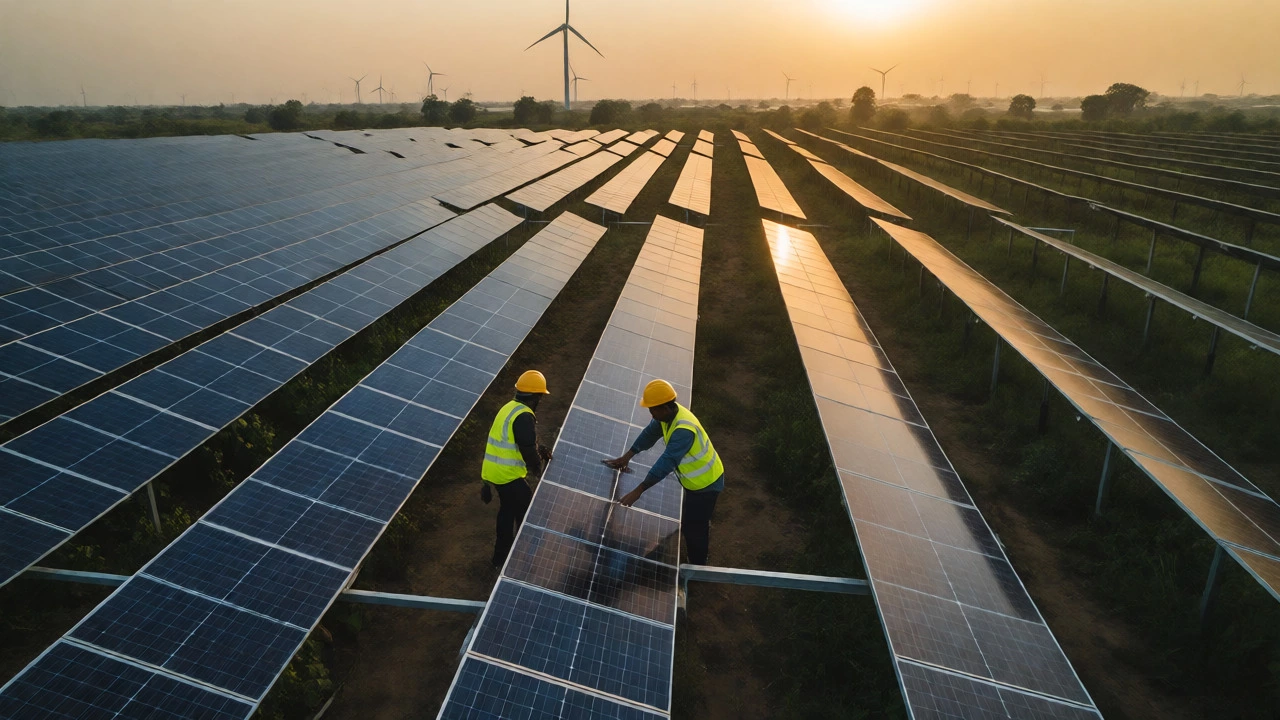
Why is solar so safe? The primary risks associated with solar are confined to the installation phase. Workers can fall off roofs while mounting panels, or suffer minor cuts from glass handling. Once the system is operational, there are no moving parts to break, no high-pressure steam to explode, and no radioactive materials to manage. The manufacturing process does involve some chemicals, but modern closed-loop systems in facilities like those run by First Solar or JinkoSolar capture nearly all hazardous byproducts, preventing them from entering local ecosystems.
| Energy Source | Deaths per TWh (Global Avg) | Primary Risk Factor |
|---|---|---|
| Coal | 24.6 | Air pollution & mining accidents |
| Oil | 18.4 | Air pollution & extraction hazards |
| Biomass | 4.6 | Indoor air quality & deforestation |
| Wind | 0.04 | Falls during maintenance |
| Nuclear | 0.03 - 0.07 | Catastrophic failure risk |
| Solar PV | 0.02 | Installation accidents |
Wind Energy: Low Risk, Specific Hazards
Wind energy comes in a close second, with a mortality rate hovering around 0.04 deaths per TWh. Like solar, most incidents occur during the construction and maintenance phases. Technicians working at heights on offshore or onshore turbines face genuine risks, though strict safety protocols have reduced these significantly in recent years.
The public often worries about bird strikes or noise pollution. While wind turbines do impact local wildlife, particularly bats and certain bird species, these ecological concerns don’t translate directly to human mortality. In terms of human health, the main complaint is noise annoyance or shadow flicker, which affects quality of life rather than survival rates. Unlike solar, wind requires large-scale infrastructure that interacts more heavily with the landscape, meaning community opposition can sometimes delay projects, but it doesn't inherently make the technology less safe for workers or residents nearby.
Hydropower: The Hidden Risks
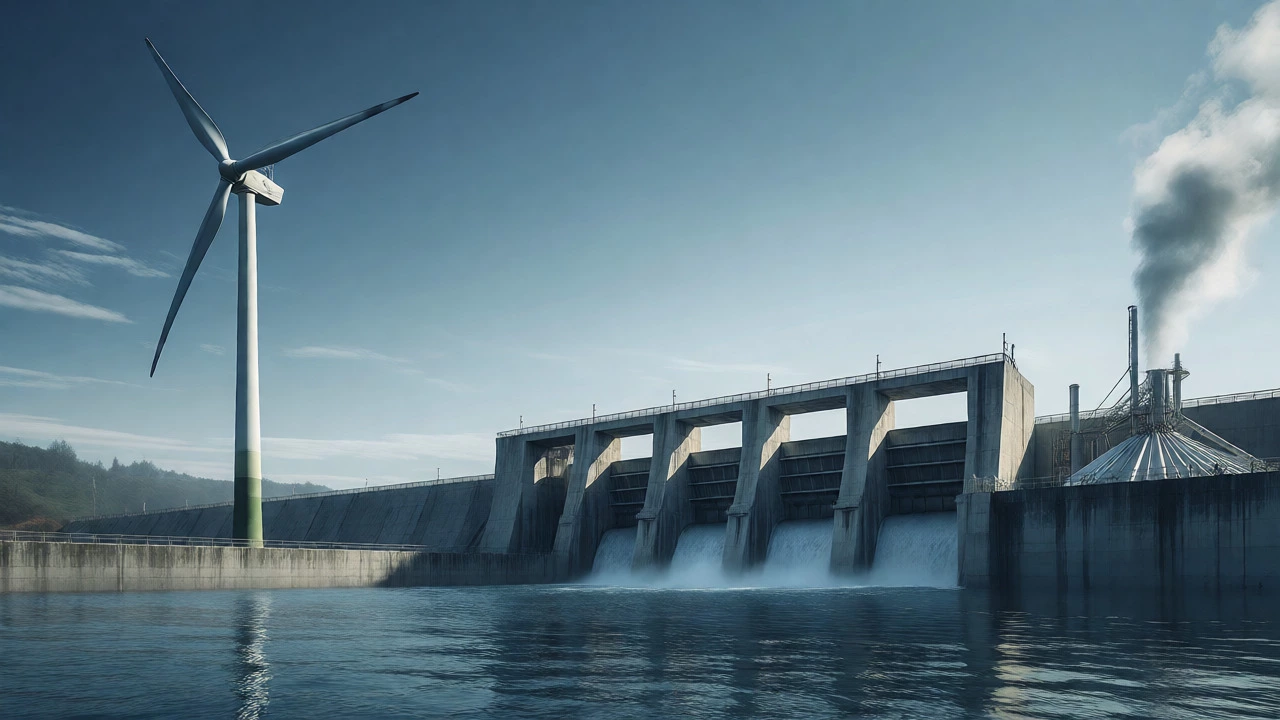
You might think water is gentle, but hydropower carries a higher risk profile than solar or wind. The global average mortality rate for hydroelectricity is estimated at 0.1 to 1.1 deaths per TWh. Why the jump? Two main reasons: dam failures and methane emissions.
Large dams hold back massive amounts of water. If a structure fails-like the Banqiao Dam collapse in China in 1975-the consequences are catastrophic, killing thousands instantly. While modern engineering makes such failures rare, the potential severity skews the statistical average. Additionally, reservoirs created by flooding land can decompose organic matter, releasing methane, a potent greenhouse gas. In tropical regions, this can lead to significant environmental health issues, including increased malaria transmission due to standing water near villages.
However, small-scale run-of-river hydro projects avoid these pitfalls. They don’t require large reservoirs, drastically reducing both the structural failure risk and the methane footprint. For these smaller installations, the safety profile approaches that of wind.
Geothermal: Safe but Location-Specific
Geothermal energy taps into heat from the Earth’s core. It is incredibly reliable and has a low carbon footprint. Its mortality rate is roughly 0.1 deaths per TWh, similar to small hydro. The risks here are primarily geological. Drilling deep wells can trigger minor seismic activity, known as induced earthquakes. In places like Basel, Switzerland, geothermal projects were paused after inducing tremors that damaged buildings.
For most users, however, geothermal heating and cooling systems used in homes are exceptionally safe. There is no combustion, no fuel delivery, and minimal noise. The danger lies mostly in the industrial scale exploration phase, not in the day-to-day operation of the plant.
Biomass: The Most Dangerous Renewable?
This surprises many people. Biomass-burning wood, crops, or organic waste-is technically renewable, but it shares many of the same dangers as fossil fuels. Burning biomass releases particulate matter (PM2.5), nitrogen oxides, and volatile organic compounds. If burned indoors without proper ventilation, as is common in developing nations, it causes severe respiratory illnesses.
Globally, biomass contributes to an estimated 4.6 deaths per TWh, largely driven by indoor air pollution in rural areas. Even in modern power plants, if filtration systems aren't perfect, local air quality suffers. So, while it’s renewable, calling it "safe" requires a big asterisk regarding air quality management.
Context Matters: Manufacturing and Supply Chain
No discussion of safety is complete without looking at the supply chain. Solar panels require silicon purification, which involves energy-intensive processes and chemicals like silane gas. Wind turbines need rare earth magnets, often mined in conditions that can pose health risks to miners in countries like China.
However, these risks are concentrated in specific industrial zones and are mitigated by labor regulations. Compare this to coal mining, where black lung disease and tunnel collapses remain endemic despite centuries of technological advancement. The shift to renewables moves the hazard from chronic, widespread occupational diseases to acute, manageable industrial accidents.
Which One Should You Choose?
If your priority is purely minimizing human death and injury per kilowatt-hour, solar PV is the clear winner. It offers the highest safety margin with the least complex operational hazards. Wind is a strong runner-up, especially if you live in an area with good wind resources and established maintenance crews.
But context is key. If you live in a cloudy region, solar might be inefficient, making wind or hydro better practical choices despite their slightly higher risk profiles. If you are in a seismically active zone, geothermal drilling needs careful assessment. The "safest" source is also the one that fits your local geography and infrastructure best, ensuring consistent power without the need for risky backup generators.
Frequently Asked Questions
Is solar energy completely safe?
While extremely safe, it is not zero-risk. The main dangers occur during installation (falls) and manufacturing (chemical exposure). Once installed, solar panels pose virtually no threat to human health or life under normal operating conditions.
Why is biomass considered less safe than other renewables?
Biomass releases pollutants like particulate matter when burned. In poorly ventilated spaces, this leads to respiratory diseases and premature deaths. Modern filtration helps, but the inherent nature of combustion makes it riskier than non-combustion sources like solar or wind.
Do wind turbines cause cancer?
No scientific evidence links wind turbines to cancer. The concern stems from low-frequency noise and infrasound, which can cause annoyance or sleep disturbance in sensitive individuals living very close to turbines, but it is not carcinogenic.
How does nuclear compare to renewables in safety?
Nuclear is statistically safer than coal and oil, and comparable to wind and solar. However, its risks are characterized by low frequency but high consequence (catastrophic accidents), whereas renewable risks are more frequent but low consequence (minor injuries).
Are solar panel fires a major risk?
Solar panel fires are rare. Proper installation with DC disconnect switches allows firefighters to isolate the array. Most fire departments now have specific protocols for solar installations, making them highly manageable.