What is the most successful renewable resource in use today?
 Feb, 3 2026
Renewable Energy Comparison Calculator
Compare your hypothetical renewable energy generation to global hydropower data. Hydropower currently generates 4,300 TWh (48% of all renewables). Enter values below to see how your mix compares.
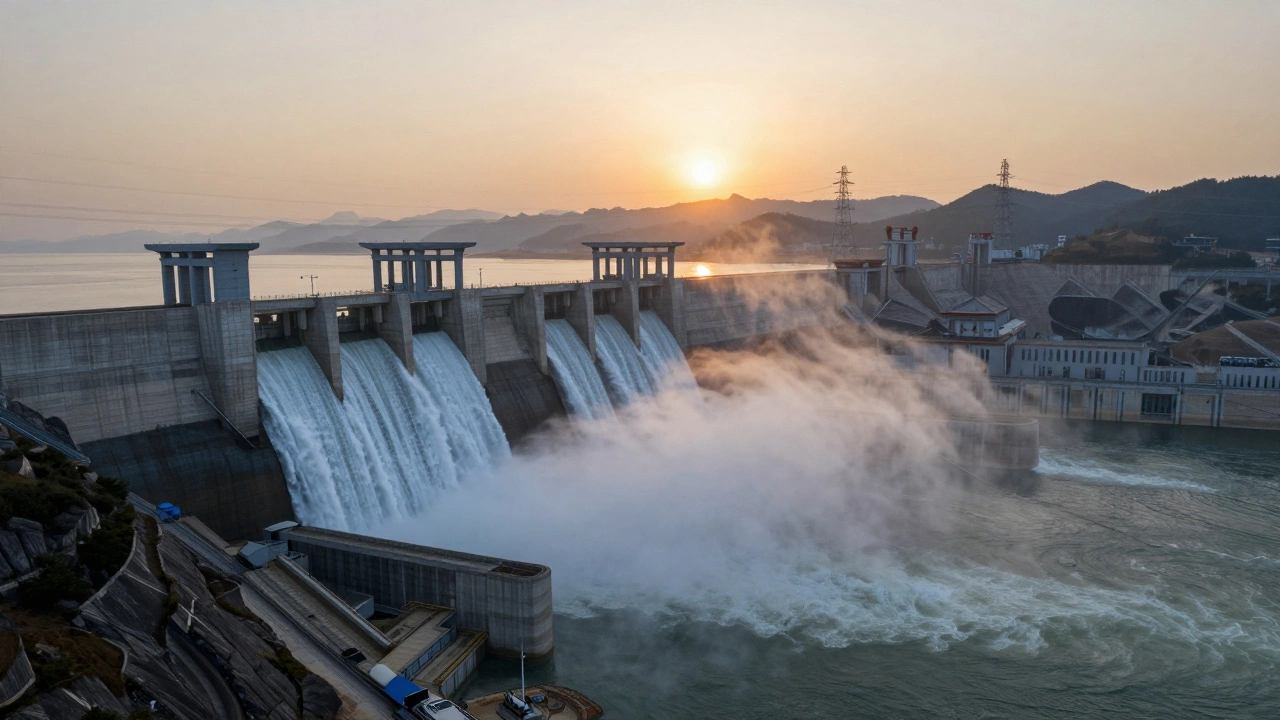
When you think of clean energy, you might picture wind turbines spinning on a hillside or solar panels glinting on rooftops. But the real powerhouse behind the world’s renewable energy mix isn’t flashy. It doesn’t get viral TikTok videos. It doesn’t need subsidies to survive. It’s been quietly powering homes, factories, and cities for over a century - and it still produces more electricity than all other renewable sources combined. That resource is hydropower.
Hydropower isn’t just another option - it’s the backbone of renewable energy
In 2025, hydropower generated about 4,300 terawatt-hours of electricity globally. That’s more than wind, solar, geothermal, and biomass combined. For comparison, wind came in at roughly 2,100 TWh, and solar at 1,800 TWh. Hydropower still delivers nearly half of all renewable electricity on Earth. It’s not a rising star - it’s the established engine.
Why does it dominate? Because water doesn’t need sunshine or wind to work. It runs when it’s needed. Dams store energy in the form of height - potential energy - and release it as kinetic energy through turbines. That’s a simple, reliable physics trick that’s been refined since the 1880s. The Hoover Dam, built in 1936, still generates over 4 billion kilowatt-hours per year. Modern plants like China’s Three Gorges Dam produce over 100 billion kWh annually - enough to power a country the size of Spain.
It’s not just about volume - it’s about reliability
Solar and wind are great, but they’re intermittent. The sun doesn’t shine at night. The wind doesn’t blow every hour. That means grids need backup - usually batteries or natural gas plants - to keep the lights on. Hydropower doesn’t need that. Reservoirs act like giant batteries. You can hold water back during low demand and release it during peak hours. That’s called load-following, and it’s critical for grid stability.
In countries like Norway and Brazil, over 90% of electricity comes from hydropower. In the U.S., it supplies about 6% of total electricity - but that’s still more than all other renewables combined in some years. During droughts, output drops, yes. But when water flows, it’s steady. No ramp-up time. No startup delays. Just instant, scalable power.
How does it compare to other renewables?
Let’s break it down with real numbers from 2025:
| Resource | Generation (TWh) | Share of Total Renewables |
|---|---|---|
| Hydropower | 4,300 | 48% |
| Wind | 2,100 | 23% |
| Solar | 1,800 | 20% |
| Biomass | 600 | 7% |
| Geothermal | 100 | 1% |
Hydropower’s lead isn’t narrow. It’s massive. And it’s not just about the numbers - it’s about what it enables. Hydropower plants often include pumped storage, which is the most cost-effective way to store large-scale energy today. Pumped storage accounts for over 95% of global energy storage capacity. That means hydropower doesn’t just generate clean electricity - it makes other renewables more usable.
It’s not perfect - but it’s the most scalable clean energy we have
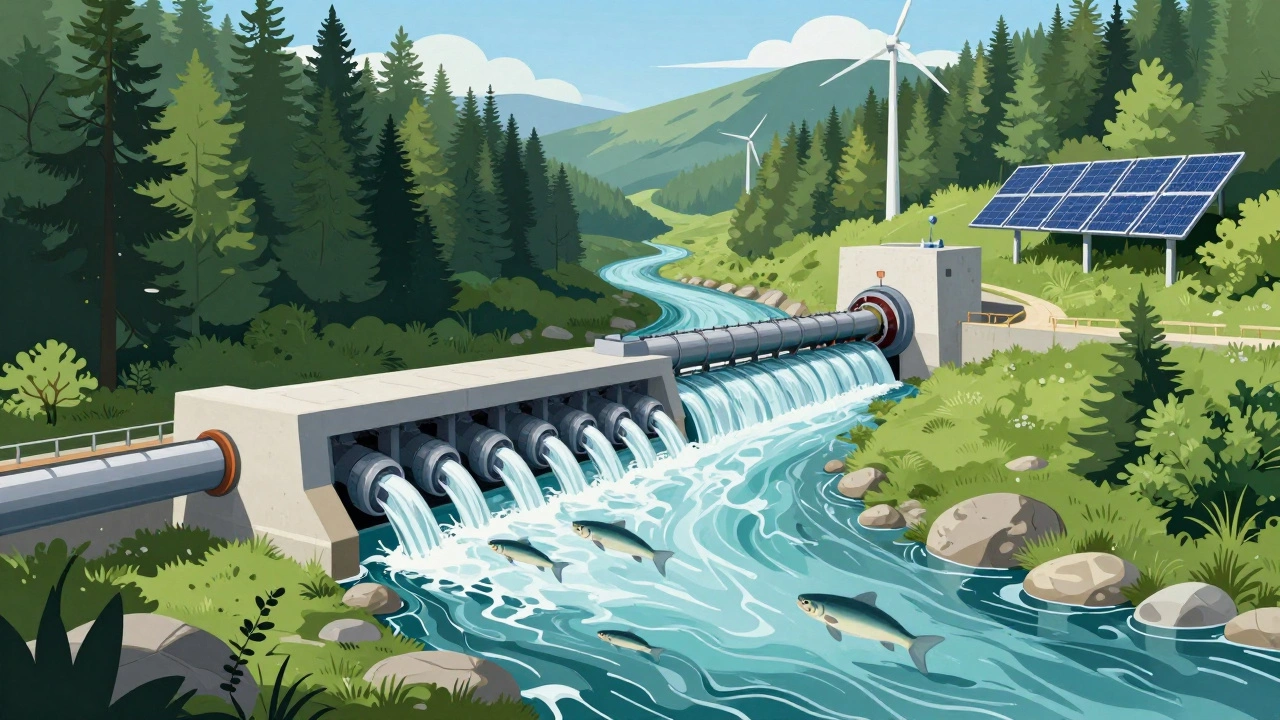
Yes, large dams have downsides. They flood valleys. They disrupt fish migration. They displace communities. The environmental cost is real. But the industry has changed. Modern hydropower projects - especially run-of-river systems - use minimal reservoirs. They don’t flood vast areas. They just channel water through turbines and let it flow back into the river. In Europe, over 60% of new hydropower capacity added since 2020 is from small-scale or modernized existing plants.
And here’s the thing: no other renewable resource can match its scale. You can’t build a solar farm that generates 20 gigawatts without using 50 square miles of land. A 20 GW hydro plant? It fits in a single river valley. It uses existing water flow. It doesn’t need rare minerals. It doesn’t require mining lithium or cobalt. It runs for 80-100 years with proper maintenance.
Why isn’t it growing faster?
Because building big dams is politically messy. Environmental reviews take a decade. Public opposition is strong. In the U.S., only two new large dams have been built since 1980. But that’s not the whole story. Most growth now comes from upgrading old plants. The U.S. Department of Energy estimates that adding turbines to existing non-powered dams could add 12 gigawatts of clean power - enough to power 3 million homes - without building new reservoirs.
China is still building large plants. Brazil is expanding its Amazon basin projects. Canada is modernizing its Quebec hydro network. Even in the UK, where big dams aren’t feasible, small-scale hydro contributes about 1.2% of electricity - and it’s one of the few renewables that can provide consistent baseload power.
The future isn’t about replacing hydropower - it’s about working with it
The clean energy transition doesn’t mean abandoning what already works. It means building on it. Hydropower is the glue that holds renewable grids together. Without it, we’d need far more batteries, far more natural gas, and far more land for solar and wind. That’s not sustainable.
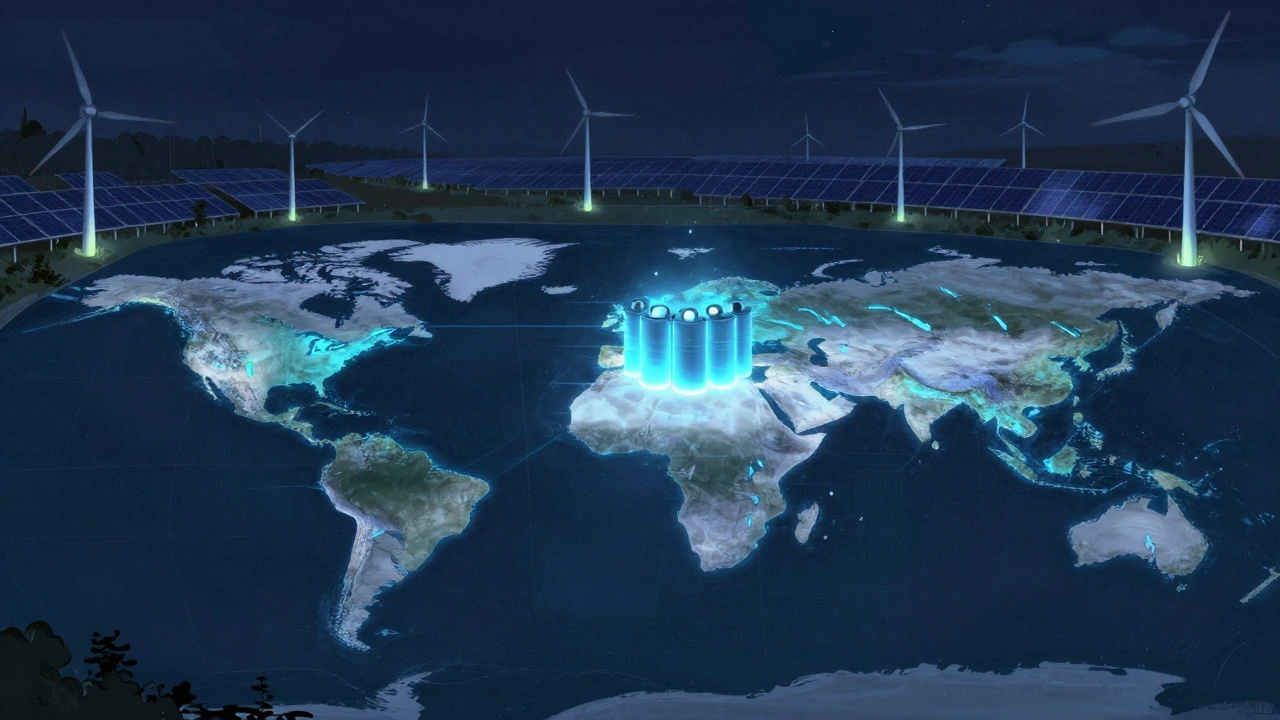
Imagine a future where solar panels cover rooftops, wind turbines dot the coastlines, and hydropower plants regulate the flow of electricity across continents. That’s not science fiction. That’s what’s already happening in places like Norway, where excess wind and solar power is used to pump water uphill - turning hydropower into a reversible battery. When the sun sets, they let the water flow back down to generate electricity. It’s a closed loop, powered by nature.
Hydropower isn’t sexy. But it’s essential. It’s the quiet giant that keeps the lights on when the wind dies and the clouds roll in. It’s the only renewable resource that can scale to meet global demand without relying on complex supply chains or rare materials. And until we find a better way to store and deliver massive amounts of clean energy, it’s going to stay at the top.
What’s next for hydropower?
The next wave of innovation isn’t about bigger dams. It’s about smarter ones. AI-driven flow optimization, fish-friendly turbines, and digital twin monitoring systems are cutting maintenance costs and boosting efficiency. In Sweden, a retrofit project at a 70-year-old plant increased output by 18% just by upgrading the turbine blades. In the U.S., the Department of Energy’s Hydropower Vision report projects that with modernization and new small-scale projects, hydropower could supply 15% of U.S. electricity by 2050 - up from 6% today.
That’s not a stretch. It’s a realistic target. And it’s the only way we’ll hit net-zero goals without overloading the grid with intermittent sources.
Is hydropower really renewable?
Yes. Hydropower relies on the water cycle - evaporation, rain, runoff - which is naturally replenished. As long as precipitation continues, water is available to generate electricity. Unlike fossil fuels, it doesn’t deplete a finite resource. Even though dams alter ecosystems, the fuel source - water - is continuously renewed by nature.
Why isn’t hydropower used everywhere?
It needs geography. You need elevation changes and consistent water flow. Flat regions like the Netherlands or Saudi Arabia can’t build large dams. But even there, small run-of-river systems or pumped storage can work. The biggest barriers aren’t technical - they’re political and environmental. Building large dams often means relocating communities and altering rivers, which creates resistance.
Does hydropower cause greenhouse gas emissions?
Mostly no. But there’s a nuance. In tropical regions, when vegetation is flooded and decomposes underwater, it can release methane - a potent greenhouse gas. Studies show this is mostly limited to large reservoirs in the Amazon, Congo, and Southeast Asia. In temperate climates like Europe or North America, emissions from hydropower are negligible - far lower than coal or gas. Overall, hydropower’s lifecycle emissions are still 95% lower than fossil fuels.
Can hydropower replace fossil fuels completely?
Not alone - but it can be the foundation. No single renewable can power the entire world by itself. But hydropower’s ability to store energy and deliver steady output makes it the ideal partner for wind and solar. Together, they form the backbone of a reliable clean grid. Without hydropower, we’d need vastly more batteries and backup gas plants - which defeats the purpose of going green.
What’s the biggest threat to hydropower’s future?
Droughts linked to climate change. In 2022, Europe’s major rivers like the Rhine and Po dropped to record lows, cutting hydropower output by up to 30% in some countries. That’s a wake-up call. We can’t rely on water if the climate keeps warming. The solution? Diversify. Invest in modernized, low-impact hydropower, and pair it with other renewables. Adaptation, not abandonment, is the path forward.
Final thought: The most successful renewable isn’t the newest - it’s the most dependable
We love shiny new tech. But the real winners in energy are the ones that work, day after day, year after year. Hydropower has done that for over 140 years. It’s not going away. It’s evolving. And as we race to cut emissions, we’d be foolish to ignore the one renewable that’s already delivering massive, reliable, clean power - without needing a miracle.