What is the most reliable renewable energy source?
 Oct, 6 2026
Renewable Energy Reliability Calculator
Select an energy source to analyze its reliability profile based on capacity factor and grid dispatchability.
Hydropower (Reservoir)
High ReliabilityQuick Comparison Table
| Source | Capacity Factor | Dispatchable? | Best For |
|---|
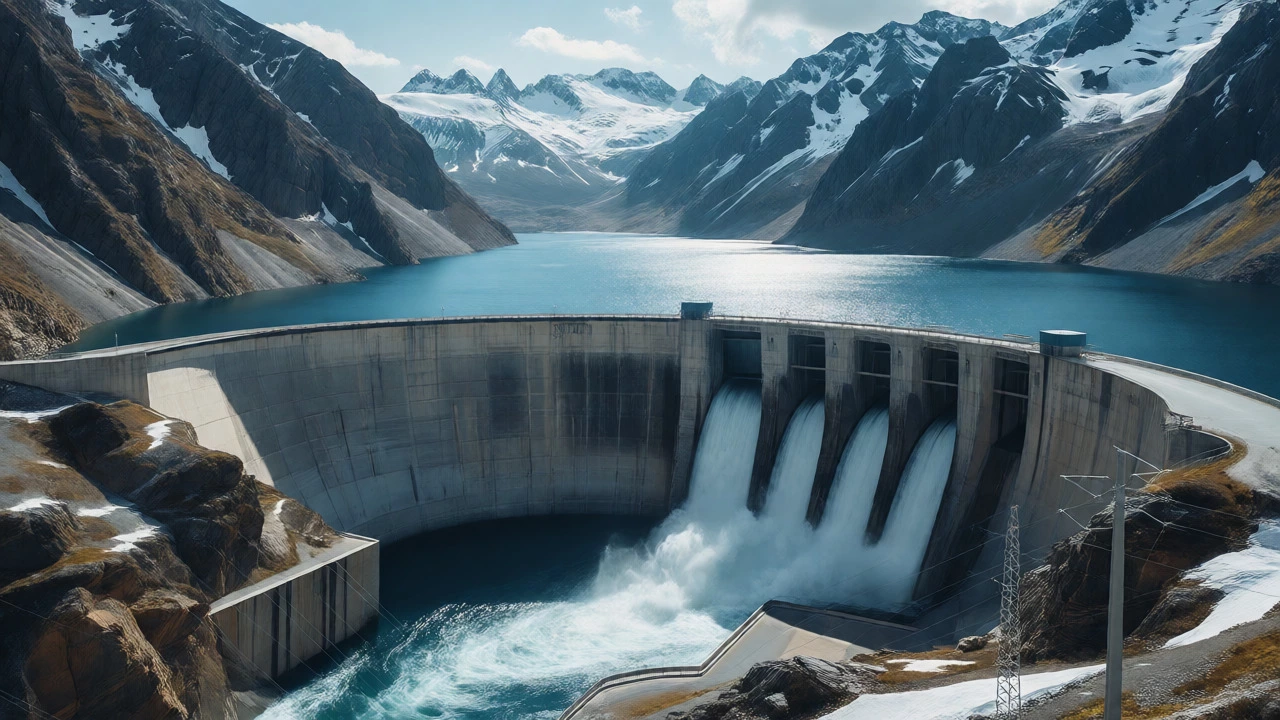
Ask ten people what the most reliable renewable is, and you’ll get ten different answers. Some will point to solar because it’s everywhere. Others swear by wind because turbines are getting massive. But if we strip away the hype and look at the hard data-specifically capacity factors and grid stability metrics-a clear winner emerges for sheer dependability: Hydropower. It’s not just about generating electricity; it’s about having a battery that sits on top of a mountain, ready to dump water whenever the grid gets nervous.
But wait-is hydro really "renewable" in the same way sun and wind are? And what about Geothermal, which runs 24/7 regardless of weather? The truth is messy. Reliability isn’t a single switch; it’s a spectrum. To figure out which source actually keeps your lights on when the rest of the world goes dark, we need to break down what "reliability" means in the context of modern grids, compare the heavy hitters, and look at why geography dictates destiny more than technology does.
Defining Reliability in a Renewable World
Before picking a champion, we have to agree on the rules. In energy engineering, reliability usually boils down to two things: capacity factor and dispatchability.
Capacity Factor is the ratio of actual energy produced over time compared to the maximum possible output if the plant ran at full tilt 24/7. If a solar farm has a capacity factor of 20%, it means that for every hour in the year, it only produced enough power to equal 20% of its peak rating. Why? Because nights exist, clouds happen, and angles change.
Dispatchability is whether you can turn the dial up or down on command. Can you tell the generator to produce 500 MW right now? Solar says no (unless you have batteries). Wind says maybe (if the wind blows). Hydro and Geothermal say yes.
A truly reliable renewable needs high capacity factor AND dispatchability. This is where the hierarchy starts to form. Most renewables fail one of these tests. Let’s look at the contenders.
The Heavyweight Champion: Hydropower
If you want raw, unadulterated reliability, Hydropower is the closest thing we have to a perfect renewable engine. It accounts for roughly 15% of global electricity generation but provides the backbone for many national grids, including Norway, Canada, and Brazil.
Why is it so reliable? First, the resource-water-is predictable. While rainfall varies, large reservoirs act as buffers. You don’t need rain today; you need water stored from last month. Second, hydro plants respond incredibly fast. A gas turbine might take minutes to ramp up; a hydro turbine can go from zero to full power in seconds. This makes them ideal for balancing the erratic nature of wind and solar.
| Energy Source | Avg Capacity Factor | Dispatchable? | Storage Capability |
|---|---|---|---|
| Hydropower (Reservoir) | 40-60% | Yes (High Speed) | Inherent (Water) |
| Geothermal | 90-95% | Yes (Baseload) | No (Continuous Flow) |
| Onshore Wind | 25-35% | No (Variable) | External Batteries Needed |
| Solar PV | 15-25% | No (Daylight Only) | External Batteries Needed |
The catch with hydro? Geography. You can’t build a dam in the Sahara Desert. Also, environmental concerns regarding river ecosystems and sediment buildup limit new projects in places like Europe and North America. But where it exists, it is king.
The Silent Workhorse: Geothermal Energy
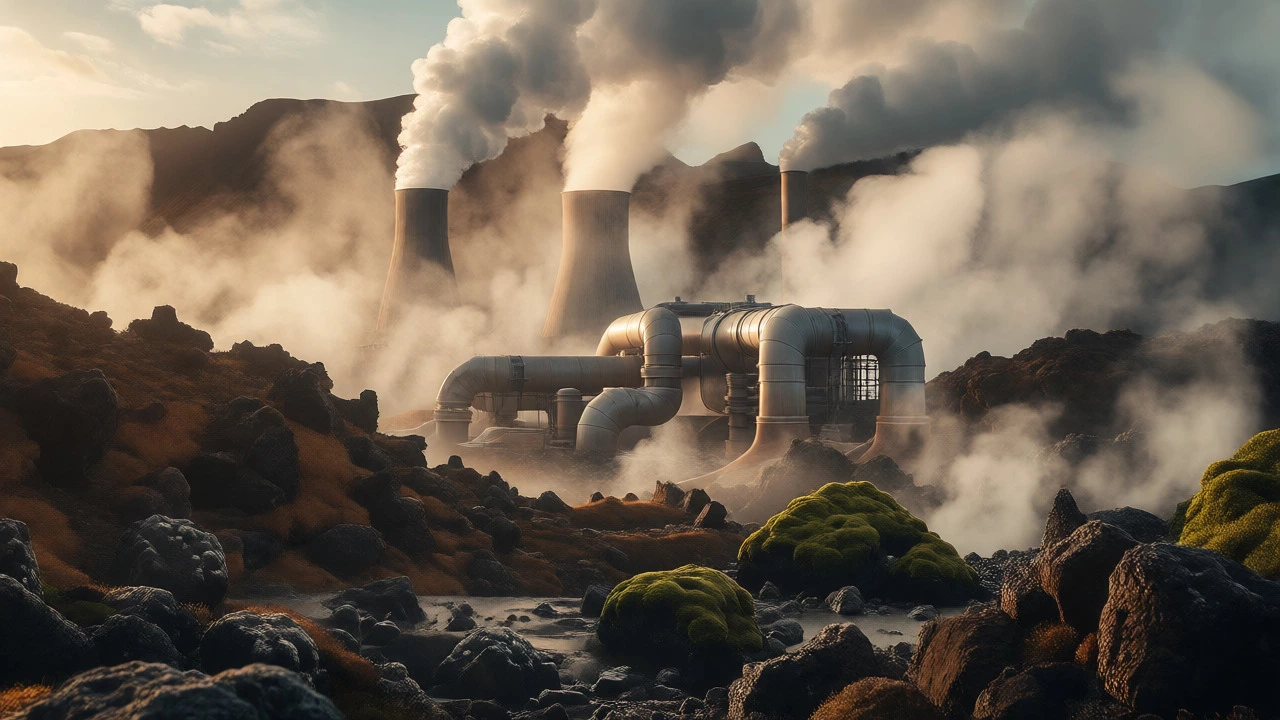
If hydro is the king, Geothermal is the monk who never sleeps. Unlike wind or solar, which depend on atmospheric conditions, geothermal taps into the Earth’s internal heat. The result? A capacity factor that routinely hits 90% or higher. That means a geothermal plant produces power almost constantly, day and night, summer and winter.
Iceland runs on this. So does a significant chunk of Kenya’s grid. In the United States, California and Nevada rely on it heavily. The technology uses steam or hot water from underground reservoirs to spin turbines. Because the heat source is constant, geothermal provides true baseload power without carbon emissions.
So why isn’t it everywhere? Two reasons: location and cost. High-grade geothermal resources (hot enough for efficient electricity generation) are mostly found along tectonic plate boundaries-the "Ring of Fire." Drilling deep enough to reach these temperatures is expensive and risky. You might drill for miles and hit dry rock. However, Enhanced Geothermal Systems (EGS) are trying to solve this by fracturing hot dry rock anywhere on Earth, though commercial viability remains a hurdle in 2026.
The Variable Giants: Wind and Solar
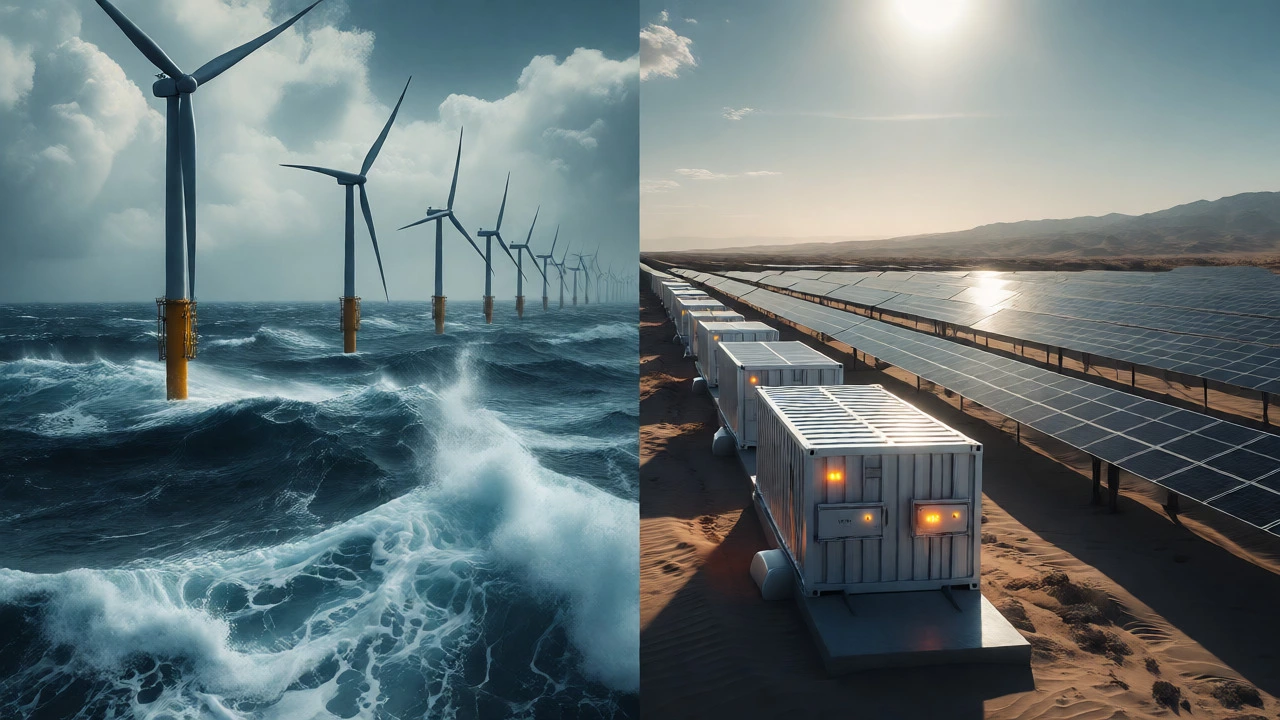
You might be surprised to see wind and solar lower on the reliability list. They are the fastest-growing sources, but they are inherently intermittent. Solar Photovoltaics stop working when the sun sets. Onshore wind drops off when the air is still.
This doesn’t make them useless-it makes them dependent on storage. Without batteries, a solar farm’s reliability is tied directly to the weather forecast. With lithium-ion batteries, you can shift evening peaks to nighttime use. But batteries add cost and complexity.
Wind has a slight edge over solar in terms of capacity factor (often 30-40% for offshore wind), but it suffers from "lulls." In 2021, Texas experienced a severe wind drought during a cold snap, causing prices to spike. Similarly, Germany faces long periods called "Dunkelflaute" (dark calm), where neither wind nor sun is available. During these times, even the best renewable mix fails unless backed by something else.
Biomass: The Forgotten Contender
Often overlooked, Biomass burns organic material like wood chips, agricultural waste, or dedicated energy crops. Its main advantage? It’s dispatchable. You can store biomass in a warehouse and burn it when needed, similar to coal or gas.
However, calling it "renewable" is tricky. Burning wood releases CO2 immediately, even if trees absorb it later over decades. Plus, supply chains for biomass are vulnerable to logistics issues. If trucks can’t deliver pellets due to a storm or strike, the plant stops. Compared to the inherent physics of hydro or geothermal, biomass feels fragile.
Context Matters: What Works Where?
There is no universal "best" renewable. It depends entirely on where you live. Here’s how the map looks:
- Norway & Canada: Hydropower dominates. The mountains and lakes provide natural batteries. Reliability is sky-high.
- Iceland & New Zealand: Geothermal and Hydro share the load. Volcanic activity makes geothermal cheap and abundant.
- United Kingdom & Northern Europe: Offshore wind is the star. The North Sea winds are consistent, making wind highly reliable here, provided there’s interconnection with European hydro grids.
- Australia & Southwest USA: Solar leads. High irradiance makes solar cheap, but reliability requires massive battery storage investments.
- Tropical Regions (e.g., Costa Rica): Mix of Hydro and Biomass. Rainfall patterns allow hydro to run nearly year-round.
This geographic dependency is why international grid connections matter. When the UK has low wind, it can import hydro power from Norway via subsea cables. This turns local variability into regional reliability.
The Future: Hybrid Systems and Storage
The question "what is the most reliable?" is becoming obsolete. The future isn’t about picking one winner; it’s about hybridization. Imagine a site with solar panels, wind turbines, and a small hydro unit or battery bank. When the sun shines, solar takes over. When the wind blows, wind kicks in. When both dip, the backup fires.
Green hydrogen is also entering the chat. Excess renewable energy can split water into hydrogen, which can be stored for months and burned in turbines during winter lulls. This solves the seasonal reliability gap that batteries can’t address efficiently yet.
For now, if you force me to pick the single most reliable renewable source based on current technology and grid performance, I’m sticking with Hydropower. It offers the rare combination of high capacity, instant response, and built-in storage. But as geothermal drilling costs drop and battery tech improves, the crown might slip.
Is nuclear considered a renewable energy source?
No, nuclear is generally classified as "low-carbon" rather than renewable. Uranium is a finite mineral resource, unlike sunlight or wind. However, it shares the reliability traits of geothermal, offering high capacity factors and dispatchability.
Why is solar less reliable than wind?
Solar is strictly limited to daylight hours and is heavily impacted by cloud cover. Wind can blow day or night. Consequently, solar has a lower average capacity factor (15-25%) compared to wind (25-40%), making wind slightly more consistent on an annual basis, though both require storage for 24/7 coverage.
Can geothermal energy be used anywhere?
Currently, high-efficiency geothermal is limited to tectonically active regions. However, Enhanced Geothermal Systems (EGS) aim to create artificial reservoirs in hot dry rock anywhere on Earth. This technology is promising but not yet commercially widespread as of 2026.
Does hydroelectric power harm the environment?
Yes, large dams can disrupt fish migration, alter sediment flow, and flood ecosystems. Methane emissions from decaying vegetation in reservoirs are also a concern in tropical climates. Run-of-river hydro systems minimize these impacts but offer less storage capability.
What is the role of batteries in renewable reliability?
Batteries bridge short-term gaps (hours) between renewable generation and demand. They smooth out fluctuations from wind and solar. For longer durations (days or weeks), technologies like pumped hydro or green hydrogen are more viable solutions.