What Is the Easiest Job to Make 100K a Year in Agricultural Science?
 Mar, 17 2026
Agricultural Science Career Salary Calculator
Your Career Path
Top Career Options
Agricultural Systems Analyst
Bridging farm operations with technology
Precision Agriculture Specialist
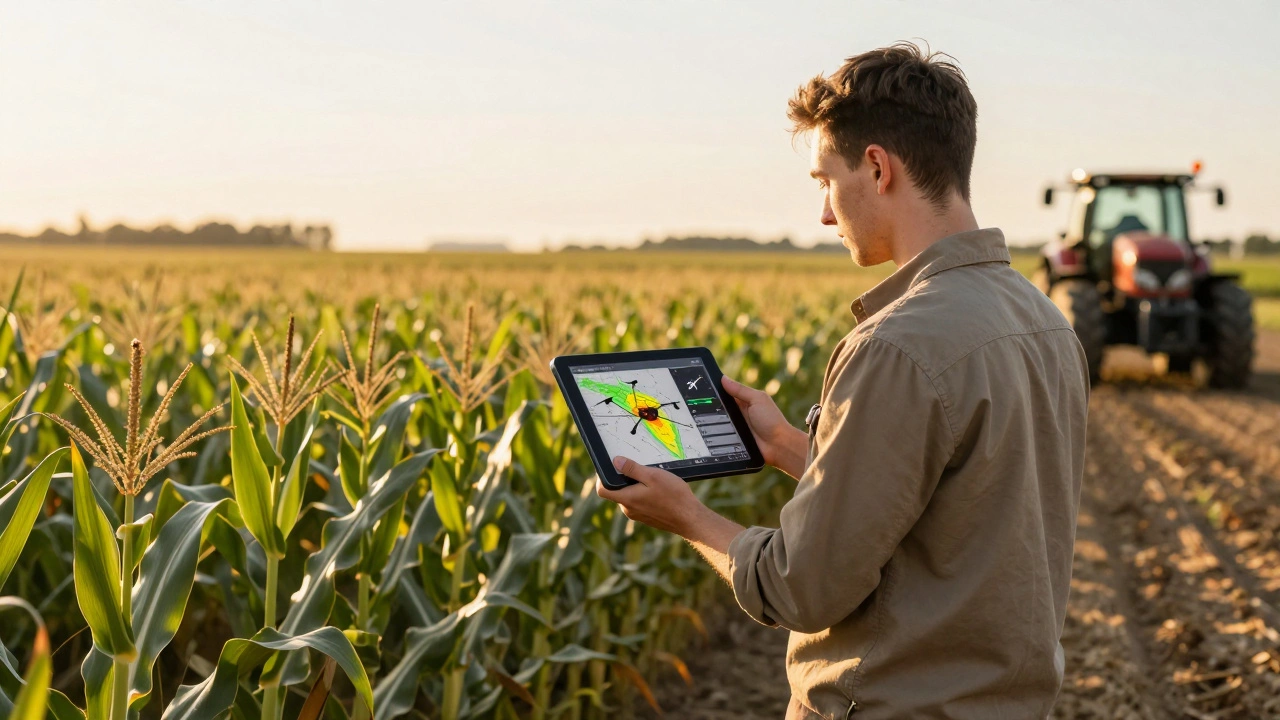
GPS-guided tractors, yield mapping
Your Estimated Salary
Want to make $100,000 a year without going back to school for a decade? It sounds like a dream, but in agricultural science, it’s not just possible-it’s happening right now. You don’t need to be a CEO or a tech founder. You don’t even need to work in a city. Some of the highest-paying jobs in this field are hands-on, practical, and surprisingly simple to get into-if you know where to look.
It’s Not About Working Harder, It’s About Working Smarter
Most people think high-paying jobs mean long hours, stress, or climbing corporate ladders. But in agricultural science, the real money is in specialization. The field isn’t just about planting crops or raising livestock anymore. It’s about data, technology, supply chains, and global markets. And the jobs that pay $100K+ aren’t always the ones you’d expect.Take soil science, for example. You might picture someone in boots, poking dirt with a stick. But today’s soil scientists use satellite imagery, AI-driven sensors, and machine learning models to predict nutrient depletion across entire regions. Companies like Bayer, Corteva, and John Deere hire these experts to optimize fertilizer use for millions of acres. They don’t need PhDs-just a bachelor’s in agronomy, a few years of field experience, and fluency in GIS software. The median salary? $98,000. With five years of experience, $110,000 is common.
The Real Winner: Agricultural Systems Analyst
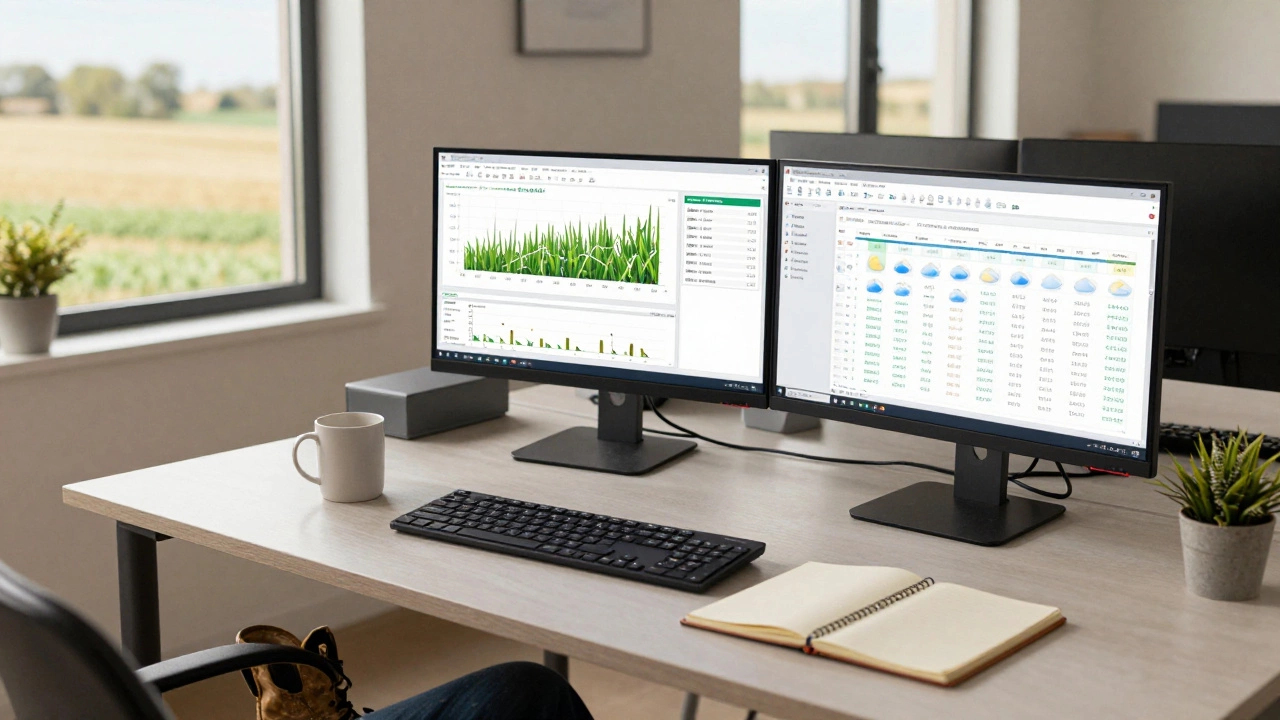
The easiest path to $100K isn’t in the lab or the field. It’s in the office-with a computer and a spreadsheet.Ag systems analysts bridge the gap between farm operations and technology. They work for ag-tech startups, equipment manufacturers, or large food processors. Their job? Figure out how to make farms more efficient. That means analyzing yield data, tracking weather patterns, optimizing irrigation schedules, and recommending equipment upgrades.
Here’s what it takes:
- A bachelor’s degree in agricultural science, environmental science, or even business analytics
- Basic knowledge of Excel, SQL, or Power BI
- 1-3 years working on a farm, co-op, or with an ag distributor
- Willingness to learn how to read drone imagery or interpret soil moisture sensors
No coding degree required. No medical school. No MBA. Just real-world experience and the ability to connect dots between data and farm outcomes. Many of these roles start at $75K and hit $105K within four years. Some companies even offer signing bonuses for candidates with field experience.
Why This Job Is ‘Easy’
It’s called ‘easy’ because the barriers to entry are low compared to other $100K careers. You don’t need:- A medical license
- A law degree
- Years of unpaid internships
- A network of Ivy League contacts
You need:
- Willingness to work outdoors sometimes
- Basic tech skills you can learn in six months
- A job at a farm supply store, seed company, or cooperative
Many people start as field reps for fertilizer brands or equipment dealers. They learn how farmers think, what tools they use, and where the pain points are. Then they move into data analysis roles. It’s not a straight path-but it’s one of the most straightforward ones out there.
Other Surprisingly Simple 0K Jobs in Ag Science
If systems analyst doesn’t click, here are three more realistic options:1. Precision Agriculture Specialist
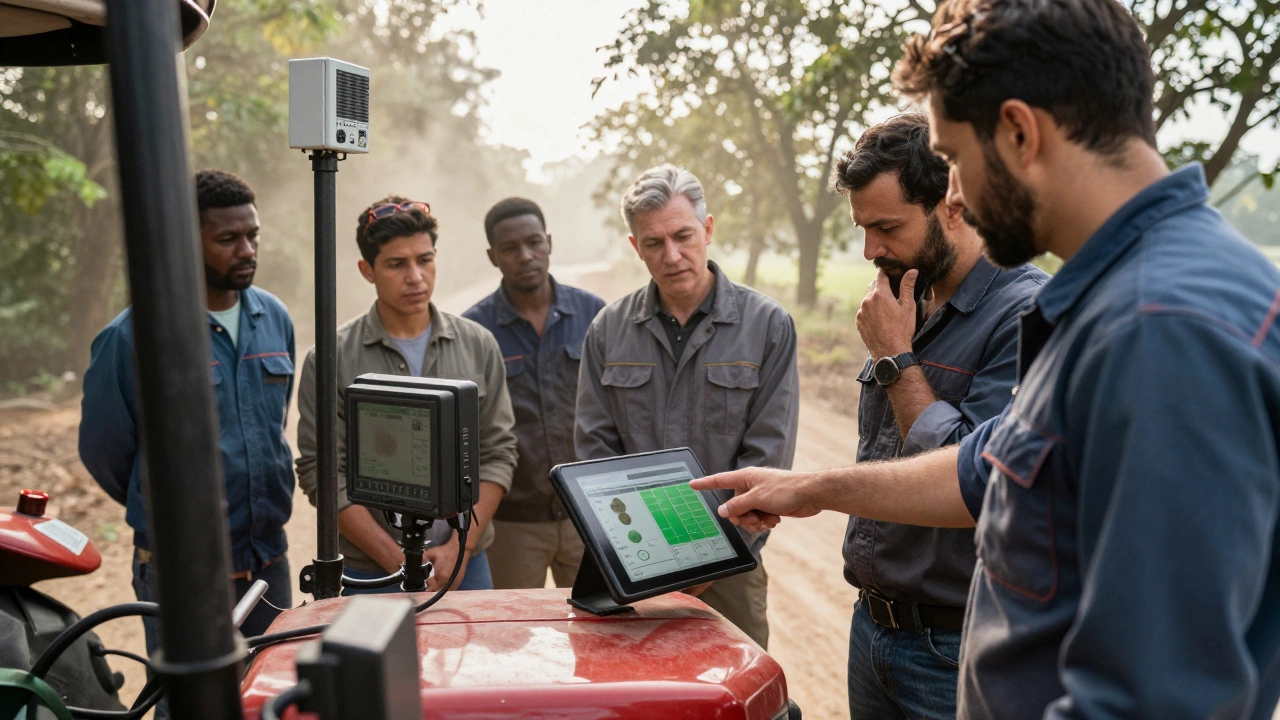
These folks train farmers to use GPS-guided tractors, variable-rate seeding, and yield mapping tools. Companies like Trimble, Agco, and local co-ops hire them. Most start with a two-year ag tech certificate, then work under a senior specialist. Within five years, $105K is typical. The best part? You’re often paid per farm visit, not by the hour.
2. Supply Chain Coordinator for Organic Food Brands
Organic produce sales hit $60 billion in 2025. Someone has to make sure those carrots get from the field in Oregon to the shelf in London on time. Supply chain coordinators manage logistics, cold storage, certifications, and compliance. A bachelor’s in agribusiness plus two years of warehouse or logistics work gets you in the door. Median salary: $102K. No MBA needed.
3. Regulatory Affairs Specialist for Biopesticides
As chemical pesticides face stricter rules, companies are turning to bio-based alternatives-microbes, plant extracts, natural predators. These products need approval from agencies like the EPA or DEFRA. Regulatory specialists handle paperwork, trials, and compliance. A degree in plant pathology or entomology is enough. Most enter with entry-level lab jobs, then move into regulatory roles. Average salary: $108K.
What’s Holding People Back?
The biggest myth? That you need to be a genius or have a fancy degree. The truth? Most people in these roles are former farm workers, ag sales reps, or 4-H alumni who just decided to learn one new skill: how to read data.One woman in Nebraska started as a receptionist at a seed company. She taught herself Excel pivot tables. Then she started tracking which seed varieties performed best in different counties. Her boss noticed. Two years later, she was managing a $2M data project. Now she’s at $115K.
Another guy in Iowa worked at a tractor repair shop. He started documenting why certain machines failed in wet conditions. He shared his notes online. A tech company saw them. They hired him as a field data collector. Five years later, he’s leading their precision ag analytics team.
How to Get Started Today
You don’t need to quit your job. Start small:- Volunteer at a local farm or cooperative. Ask if you can help log crop data.
- Take a free online course in GIS or agricultural data analysis (Coursera, edX, or USDA’s extension programs).
- Learn to use Google Sheets or Excel for basic trend tracking. No coding needed.
- Reach out to ag tech companies in your region. Ask if they have internships or shadowing programs.
- Join your state’s agricultural extension network. They offer free workshops on precision farming tools.
Within 18 months, you’ll have real experience. Not just a certificate. Actual data. Real stories. That’s what employers pay for.
Why This Isn’t a Fluke
Global food demand is rising. Climate change is making traditional farming riskier. Governments are pushing for sustainable practices. Companies need people who understand both the land and the numbers. That’s you.By 2030, the ag-tech sector will need over 200,000 new workers with data skills. And guess what? Most of them won’t have computer science degrees. They’ll have dirt under their nails and a notebook full of field observations.
This isn’t about being the smartest person in the room. It’s about being the one who shows up, learns, and connects the dots between what farmers do and what technology can fix.
Final Thought
The easiest job to make $100K a year in agricultural science isn’t glamorous. It doesn’t involve rockets or labs or AI chatbots. It’s about listening to farmers, understanding their tools, and turning their experience into something companies can use. It’s practical. It’s grounded. And it’s one of the most reliable paths out there-if you’re willing to start where the soil is, not where the headlines are.Do I need a degree to make $100K in agricultural science?
No, not always. Many roles like agricultural systems analyst or precision agriculture specialist only require a bachelor’s degree in ag science, agronomy, or related fields. Some people enter with two-year certificates and gain experience on the job. What matters most is hands-on experience with farm operations and basic data tools like Excel or GIS software.
Can I do this without farming experience?
It’s much harder. Most $100K roles require you to understand how farms actually work-what tools farmers use, what problems they face, and how weather affects yield. If you’ve never stepped onto a farm, employers won’t trust your analysis. Start by volunteering, interning, or working part-time at a co-op, greenhouse, or equipment dealer. Even 6-12 months of real exposure makes a huge difference.
Is this only possible in the U.S.?
No. Similar roles exist across Europe, Canada, Australia, and parts of South America. In the UK, companies like ADAS, Syngenta, and Corteva have data-driven ag roles paying £70K-£90K (roughly $90K-$115K). The demand is growing globally as food systems modernize.
How long does it take to reach $100K?
Most people reach $100K in 4-6 years. The first two years are usually entry-level roles paying $45K-$60K. The next two years involve learning data tools and gaining field experience. By year five, with proven results, promotions or job switches easily push you past $100K. It’s not fast, but it’s predictable.
Are these jobs affected by automation?
Actually, automation is creating more of these jobs, not fewer. As farms adopt drones, sensors, and AI tools, they need people to interpret the data, train the systems, and explain results to farmers. The role is shifting from manual labor to data interpretation-and that’s where the money is.