What Is the Alternative Technology Movement? A Guide to Decentralized Innovation
 May, 12 2026
Alternative Technology Alignment Quiz
Where does your electricity come from, and how is it managed?
When you need software or digital services, what do you prefer?
When a device breaks (phone, appliance, tool), what is your first step?
How do you source your food?
What is your stance on sharing resources and knowledge?
Imagine a world where you don’t need a multinational corporation to fix your toaster, power your home, or grow your food. You build it yourself, using tools designed by neighbors, powered by local resources, and maintained with basic skills. This isn’t a dystopian fantasy; it’s the core promise of the Alternative Technology Movement, a global effort to develop and deploy technologies that are socially equitable, environmentally sustainable, and locally controlled.
For decades, mainstream technology followed a single path: bigger, faster, more complex, and owned by distant entities. The alternative technology movement challenges this trajectory. It asks a simple but radical question: Who does this technology serve? If the answer is only shareholders or centralized institutions, the movement argues we need a different approach. This shift is not just about gadgets; it’s about reshaping how we produce, consume, and relate to the tools that define modern life.
The Origins: From Counterculture to Practical Action
The roots of this movement stretch back to the late 1960s and early 1970s. During this era, social upheaval coincided with growing awareness of environmental limits. Thinkers like E.F. Schumacher published works such as Small Is Beautiful, arguing that large-scale industrialization often ignored human needs and ecological balance. Schumacher introduced the concept of Appropriate Technology, which prioritizes small-scale, labor-intensive, and accessible solutions over capital-heavy, automated systems.
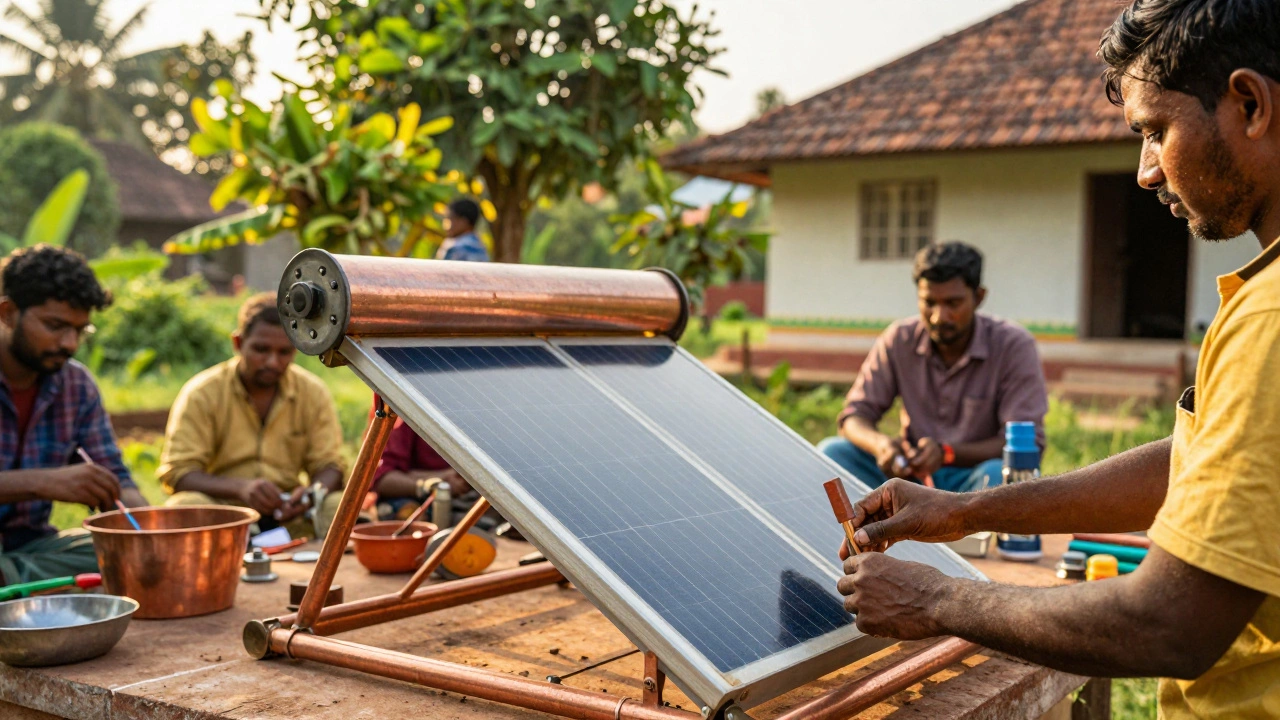
In Europe, particularly in the UK and Germany, practical experiments began taking shape. In 1972, the New Society magazine in the UK launched a project that would become the first Alternative Technology Centre. These centers were not theoretical think tanks; they were workshops where people built solar water heaters, wind turbines, and composting toilets. The goal was immediate utility. People wanted to reduce their dependence on fossil fuels and corporate utilities, so they built what worked for their specific contexts.
This grassroots energy laid the groundwork for a broader philosophy. The movement wasn’t anti-technology; it was pro-choice. It sought to democratize access to technical knowledge, ensuring that communities could innovate without relying on proprietary patents or expensive imports.
Core Principles: What Defines Alternative Tech?
Unlike mainstream tech, which often prioritizes efficiency and profit, the alternative technology movement operates on a distinct set of values. Understanding these principles helps clarify why certain innovations fall under this umbrella while others do not.
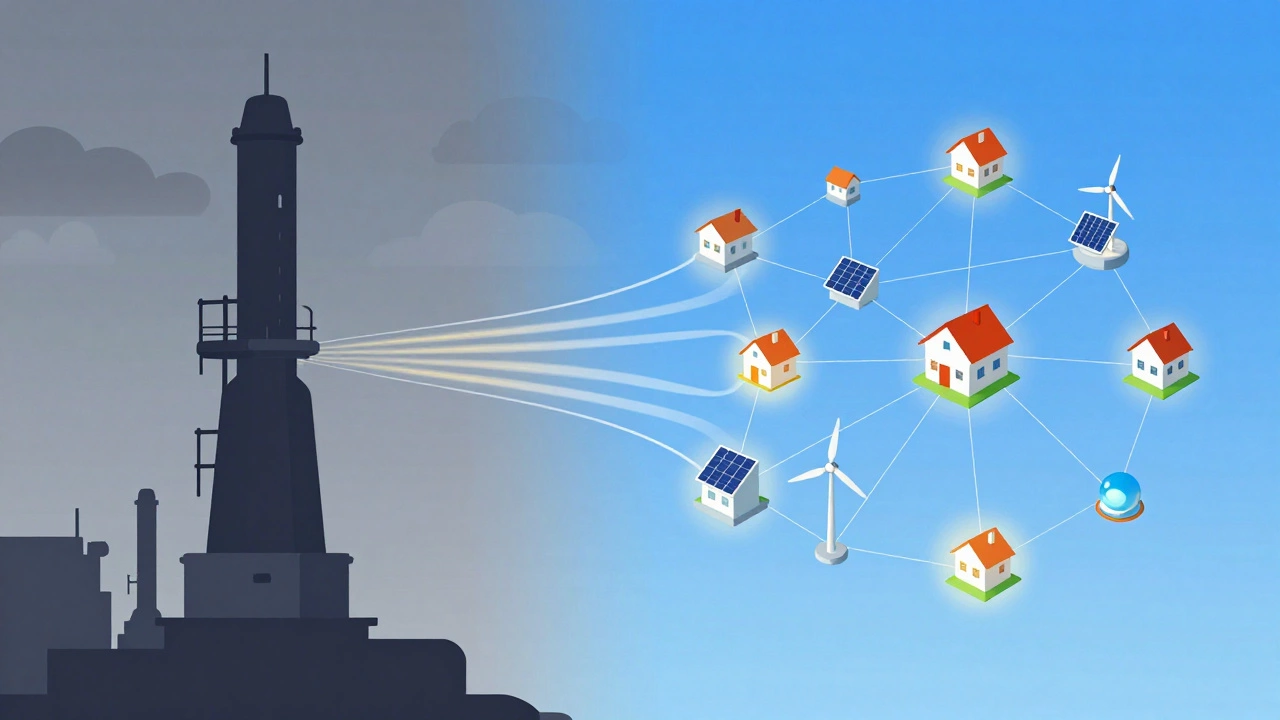
- Decentralization: Power and control should remain local. Instead of one massive power plant serving millions, imagine thousands of small solar arrays powering individual neighborhoods. This reduces vulnerability to systemic failures and keeps benefits within the community.
- Sustainability: Resources must be renewable or recycled. The lifecycle of a product matters more than its initial cost. If a device requires rare earth minerals mined through destructive practices, it fails this test.
- Accessibility: Technology should be affordable and repairable by ordinary people. Complex black boxes that require specialized technicians create dependency. Open designs allow users to understand, modify, and maintain their tools.
- Social Equity: Innovations should empower rather than displace workers. Automation that eliminates jobs without providing alternatives is viewed critically. Instead, technology should augment human capability and dignity.
These principles guide everything from agricultural methods to digital infrastructure. For instance, an open-source seed variety that farmers can save and replant aligns with these values, whereas patented GMO seeds that require annual purchases do not.
Key Areas of Innovation
The alternative technology movement has produced tangible results across several sectors. Here are some of the most impactful areas where this philosophy has taken root.
Energy Independence
Renewable energy is perhaps the most visible facet of the movement. While large-scale wind farms exist, the movement focuses on micro-generation. Small-scale hydroelectric systems, biomass digesters, and DIY solar panels allow households and villages to generate their own power. Projects like Open Source Ecology have developed blueprints for modular energy units that can be assembled with locally sourced materials. This decentralization reduces transmission losses and increases resilience during grid outages.
Agricultural Revival
Industrial agriculture relies heavily on chemical inputs and massive machinery. The alternative approach emphasizes agroecology and low-tech mechanization. Tools like the Global Village Construction Set include machines for tilling, planting, and processing crops that can be fabricated from scrap metal. By reducing reliance on imported fertilizers and fuel, farmers regain autonomy and improve soil health through regenerative practices.
Digital Freedom and Open Source
In the digital realm, the movement manifests as the Free Software Movement and Open Hardware. Led by figures like Richard Stallman, this branch argues that software should be free to use, study, share, and modify. Today, this extends to hardware design, where engineers publish schematics for everything from 3D printers to medical devices. This transparency prevents vendor lock-in and fosters collaborative improvement.
The Role of Technology Transfer
A critical component of the alternative technology movement is effective Technology Transfer. Traditional transfer often involves selling proprietary licenses from wealthy nations to poorer ones, creating long-term debt and dependency. In contrast, alternative technology transfer focuses on capacity building.
It’s not enough to drop a solar panel in a remote village. The community needs to understand how it works, how to repair it, and how to manufacture replacement parts. This requires training, local manufacturing capabilities, and open documentation. Organizations facilitate this by sharing blueprints, hosting workshops, and supporting local fabrication labs. The goal is self-sufficiency, not perpetual consumption.
| Feature | Mainstream Technology | Alternative Technology |
|---|---|---|
| Ownership Model | Proprietary, Corporate | Open Source, Community |
| Scale | Large, Centralized | Small, Decentralized |
| Repairability | Limited, Specialist Required | High, User-Friendly |
| Resource Use | Linear (Extract-Use-Discard) | Circular (Recycle-Reuse) |
| Primary Goal | Profit Maximization | Social & Environmental Well-being |

Challenges and Criticisms
Despite its noble goals, the alternative technology movement faces significant hurdles. Critics argue that many low-tech solutions lack the scalability needed to address global crises like climate change or population growth. They contend that high-efficiency, mass-produced technologies are necessary to meet rising demand.
There is also the issue of convenience. Modern consumers are accustomed to plug-and-play devices that work seamlessly. Alternative tech often requires manual effort, maintenance, and a learning curve. Not everyone has the time or inclination to build their own bread oven or troubleshoot a solar battery bank.
Furthermore, funding remains a challenge. Venture capital typically flows toward scalable, high-return projects. Alternative tech initiatives often rely on grants, donations, or volunteer labor, which can limit their growth and professional development. However, proponents argue that these constraints force creativity and ensure that solutions remain grounded in real-world needs rather than speculative markets.
The Future: Integration and Evolution
The boundary between mainstream and alternative technology is blurring. Concepts once considered fringe, such as open-source design and circular economy principles, are gaining traction in corporate sustainability strategies. Companies are beginning to recognize that resilience comes from diversity and decentralization, not just efficiency.
Emerging trends suggest a hybrid future. We may see smart grids that integrate both large-scale renewables and household micro-generators. Agricultural tech might combine precision farming data with low-cost, open-source sensors. The key is maintaining the core ethos: technology should serve people and planet, not the other way around.
As we face increasing uncertainty-climate instability, supply chain disruptions, and political volatility-the alternative technology movement offers a vital toolkit. It reminds us that innovation is not just about the next app or gadget; it’s about building systems that are robust, fair, and adaptable. By embracing these principles, we can create a technological landscape that empowers individuals and strengthens communities.
Is the alternative technology movement against modern technology?
No, it is not anti-technology. It opposes technologies that are harmful, exploitative, or create unnecessary dependency. The movement advocates for technologies that are appropriate to the context, sustainable, and accessible to all users.
How does alternative technology differ from green technology?
Green technology focuses primarily on environmental impact, such as reducing carbon emissions. Alternative technology includes environmental concerns but also emphasizes social equity, decentralization, and user empowerment. A large solar farm is green tech; a community-owned solar cooperative is alternative tech.
Can alternative technology solve global problems?
While no single solution solves all problems, alternative technology provides resilient, localized answers to issues like energy poverty, food security, and healthcare access. Its strength lies in adaptability and community ownership, making it highly effective in diverse contexts.
What is the role of open source in this movement?
Open source is fundamental. By sharing designs and code freely, the movement ensures that anyone can access, modify, and improve technology without legal or financial barriers. This fosters collaboration and rapid innovation at the grassroots level.
How can I get involved with alternative technology?
You can start by exploring open-source hardware projects, joining local maker spaces, or participating in community energy cooperatives. Learning basic repair skills and advocating for right-to-repair laws are also impactful ways to support the movement.