What is Modern Biotechnology? A Guide to CRISPR, Synthetic Biology, and Bio-Manufacturing
 Jun, 23 2026
Modern Biotechnology Impact Calculator
Select a product category to see how modern biotechnology transforms production compared to traditional methods.
Textiles & Materials
yesSpider silk proteins, leather alternatives from mycelium.
Pharmaceuticals
Personalized medicine, mRNA vaccines, CAR-T cell therapy.
Industrial Chemicals
Bio-based nylons, enzymes for cleaning oil spills.
Traditional Method
Description goes here...
- • Uses fossil fuels or mining
- • High heat/pressure required
- • Toxic solvents used
Modern Biotechnology
Description goes here...
- • Biological systems (yeast/bacteria)
- • Room temperature/water solvent
- • Sustainable feedstocks
Imagine a factory that doesn't burn fossil fuels or mine rare earth metals. Instead, it uses yeast cells to brew plastic precursors, bacteria to digest ocean plastic, and engineered enzymes to clean up oil spills. This isn't science fiction from a distant future; it is the reality of modern biotechnology, which uses living systems and organisms to develop products and technologies for specific purposes.
We often think of biotechnology as just making insulin or growing genetically modified corn. While those are important parts of the history, the field has exploded into something much more precise, powerful, and pervasive. Today, we are moving from simply observing nature to programming it. We are treating biology like software, where DNA is the code, and cells are the hardware.
The Shift from Traditional to Modern Techniques
To understand where we are, you have to look at where we started. Traditional biotechnology dates back thousands of years. Baking bread, brewing beer, and fermenting wine are all forms of biotechnology because they use microorganisms to transform raw materials. In the mid-20th century, this evolved into recombinant DNA technology, where scientists could cut and paste genes between different species. That’s how we got human insulin produced in E. coli bacteria.
Modern biotechnology takes this precision to a molecular level. It relies heavily on genomics, proteomics, and computational biology. The key difference is speed and accuracy. Where traditional methods might take years of trial and error with breeding or fermentation, modern techniques allow us to design biological solutions in silico (on computers) before ever touching a petri dish. This shift has turned biology from an observational science into an engineering discipline.
CRISPR: The Game-Changer in Gene Editing
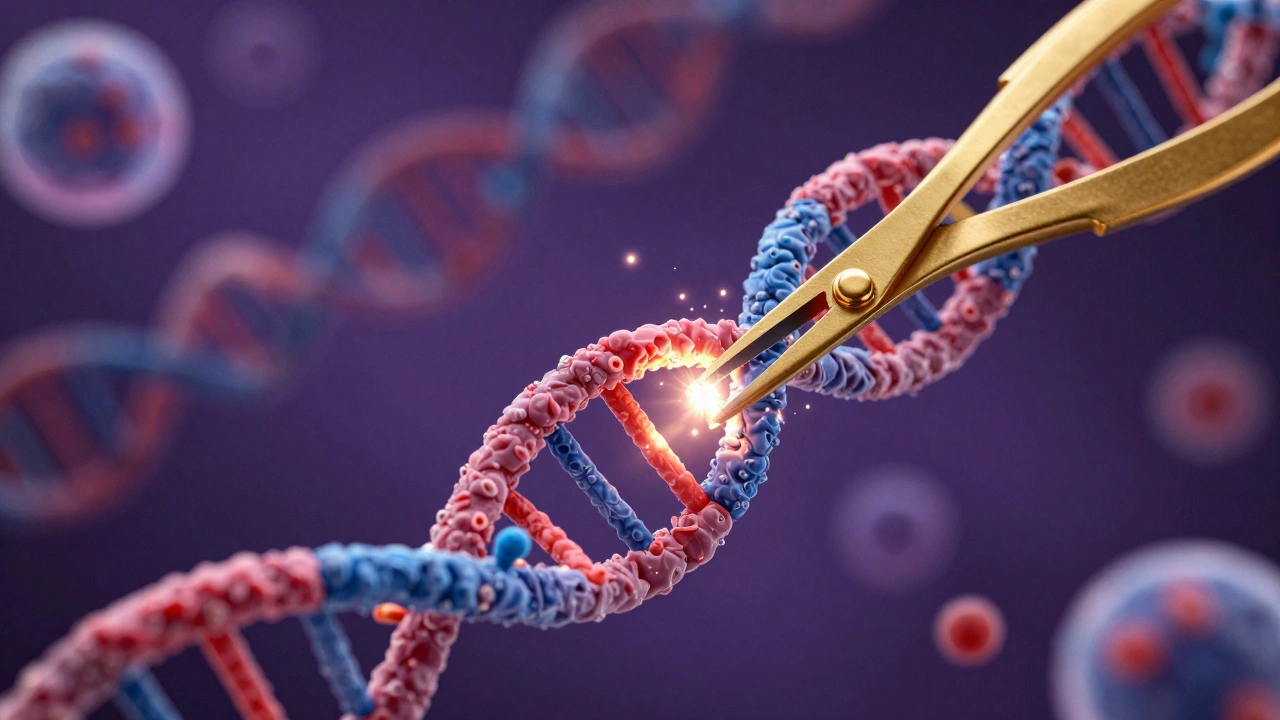
If there is one tool that defines modern biotechnology, it is CRISPR-Cas9, which is a revolutionary gene-editing technology that allows scientists to alter DNA sequences and modify gene function with high precision. Discovered as a bacterial immune system, CRISPR acts like a pair of molecular scissors guided by RNA. It can find a specific sequence in a genome, cut it, and either disable a gene or insert a new one.
This technology has moved faster than almost any other scientific breakthrough. In healthcare, it is being used to treat sickle cell disease and beta-thalassemia, conditions that were previously managed only with painful transfusions. In agriculture, researchers are developing crops that resist drought without introducing foreign DNA, which helps navigate regulatory hurdles in many countries. The ability to edit genomes so precisely means we can address the root cause of diseases rather than just managing symptoms.
Synthetic Biology: Programming Life
Beyond editing existing genes, modern biotechnology includes synthetic biology, which involves designing and constructing new biological parts, devices, and systems, or redesigning existing natural biological systems for useful purposes. Think of it as building a car from scratch using standard parts, rather than modifying an old engine. Scientists create standardized biological components called BioBricks. These can be assembled into circuits within cells.
One striking example is the development of hemoglobin alternatives. Researchers have engineered yeast to produce hemoglobin-like proteins that can carry oxygen, potentially revolutionizing blood transfusions and reducing the reliance on human donors. Another application is in biosensors. Engineers have created bacteria that change color when they detect explosives or toxic chemicals in water supplies. This turns living organisms into smart, self-replicating sensors that cost pennies to produce.
Bio-Manufacturing and Green Chemistry
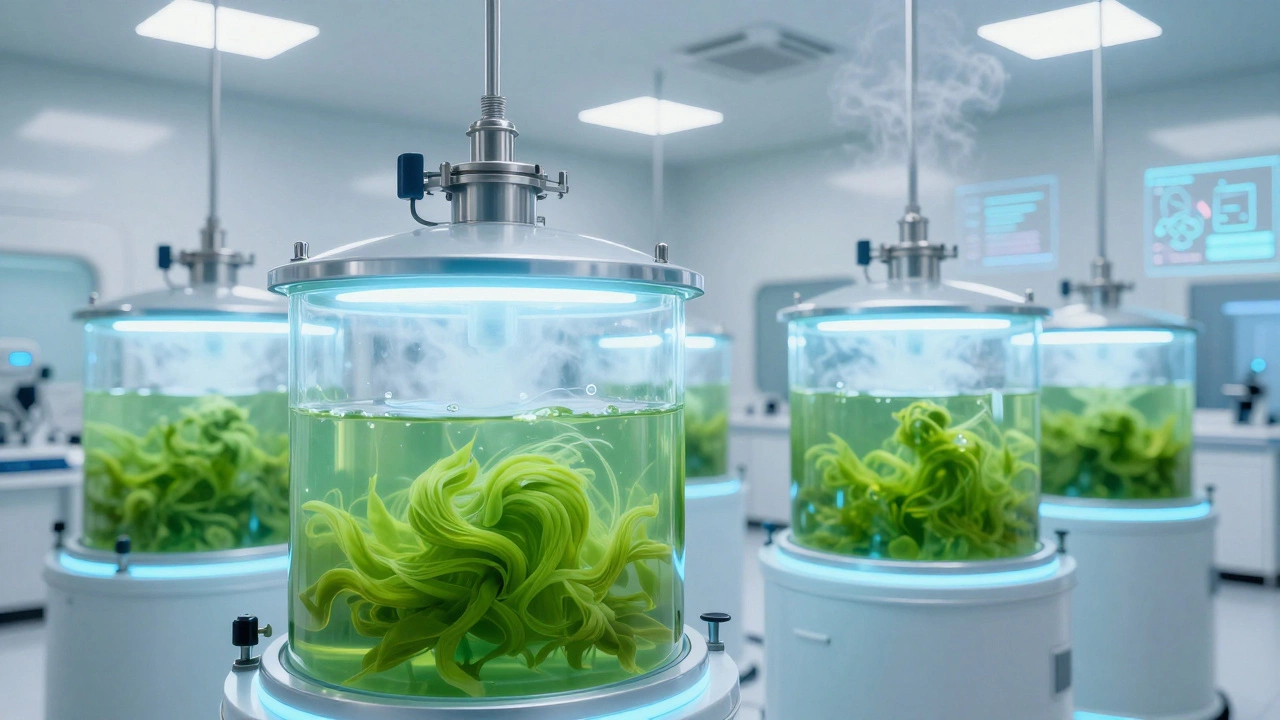
The industrial sector is undergoing a quiet revolution known as bio-manufacturing, which uses biological processes to produce materials, chemicals, and fuels sustainably. Traditional chemical manufacturing often requires high heat, pressure, and toxic solvents. Bio-manufacturing operates at room temperature and uses water as a solvent. Companies are now producing spider silk for clothing, leather alternatives from mycelium (mushroom roots), and even jet fuel from algae.
This approach reduces carbon footprints significantly. For instance, producing nylon traditionally relies on petroleum and releases nitrous oxide, a potent greenhouse gas. New bio-based nylons are made from castor beans, cutting emissions by nearly half. As energy costs rise and environmental regulations tighten, bio-manufacturing offers a competitive edge that goes beyond sustainability-it becomes economically viable.
Personalized Medicine and Therapeutics
In healthcare, modern biotechnology is driving the era of personalized medicine. Instead of a one-size-fits-all approach, treatments are tailored to an individual’s genetic makeup. Pharmacogenomics analyzes how your genes affect your response to drugs. This prevents adverse reactions and ensures medications work effectively from the start.
Cell and gene therapies represent another frontier. CAR-T cell therapy involves taking a patient’s own T-cells, engineering them in a lab to recognize cancer cells, and infusing them back into the body. This has led to remission in patients with leukemia who had no other options. While expensive, these therapies highlight the potential of using the body’s own machinery as medicine. mRNA vaccines, accelerated during the pandemic, are also a product of this technological maturation, allowing rapid development of vaccines for emerging threats.
Ethical Considerations and Regulatory Challenges
With great power comes great responsibility. The ease of editing genes raises ethical questions about germline editing, which affects future generations. The case of He Jiankui, who edited the embryos of twin girls in China, sparked global outrage and calls for stricter oversight. Most countries ban heritable gene edits due to unknown long-term consequences and societal implications.
Regulatory frameworks are struggling to keep pace. Agencies like the FDA and EMA are adapting their guidelines to evaluate complex biologics and gene therapies. Issues around intellectual property, access to expensive treatments, and biosecurity remain hot topics. Ensuring equitable access to these technologies is crucial to prevent a divide where only wealthy nations benefit from medical advances.
| Feature | Traditional Biotechnology | Modern Biotechnology |
|---|---|---|
| Primary Tools | Fermentation, selective breeding | CRISPR, synthetic biology, AI-driven design |
| Precision | Low (organism level) | High (molecular/genetic level) |
| Development Time | Years to decades | Months to a few years |
| Key Applications | Food production, basic pharmaceuticals | Gene therapy, biofuels, personalized medicine |
| Environmental Impact | Moderate to high | Generally lower (green chemistry) |
The Role of Artificial Intelligence
Artificial intelligence is becoming inseparable from modern biotechnology. AI models like AlphaFold have predicted the 3D structures of nearly all known proteins, a task that would have taken centuries experimentally. This accelerates drug discovery by identifying potential targets quickly. Machine learning algorithms analyze vast genomic datasets to find patterns invisible to humans, enabling better diagnosis and treatment planning.
In synthetic biology, AI designs novel enzymes and metabolic pathways. Instead of testing thousands of variants in the lab, researchers simulate millions on computers and select the most promising candidates for physical testing. This integration of digital and biological worlds is creating a feedback loop that speeds up innovation exponentially.
Future Outlook and Emerging Trends
Looking ahead, several trends will shape the next decade. Organ-on-a-chip technology allows testing drugs on miniature human tissues, reducing animal testing and improving prediction of human responses. Brain-computer interfaces, while often associated with electronics, increasingly rely on biological compatibility and neural engineering. Additionally, space biotechnology is exploring how microbes can support long-term space missions by recycling waste and producing food.
The convergence of biotechnology with nanotechnology and robotics will lead to programmable matter and microscopic robots capable of performing surgery inside the body. As these technologies mature, they will redefine industries from fashion to construction. However, success depends on addressing ethical concerns, ensuring safety, and making benefits accessible to all.
How does modern biotechnology differ from traditional biotechnology?
Traditional biotechnology uses natural processes like fermentation and selective breeding, often working at the organism level. Modern biotechnology employs precise molecular tools like CRISPR and synthetic biology to engineer DNA and cellular functions directly, offering greater control, speed, and specificity.
Is CRISPR safe for human use?
CRISPR is considered safe for somatic (non-heritable) cell therapies after rigorous clinical trials, as seen in approved treatments for sickle cell disease. However, germline editing (affecting eggs, sperm, or embryos) remains banned in most countries due to ethical concerns and potential off-target effects.
What are some real-world examples of bio-manufacturing?
Examples include producing spider silk protein in yeast for durable textiles, creating leather alternatives from mushroom mycelium, and generating sustainable aviation fuel from algae. These processes reduce reliance on petroleum and lower greenhouse gas emissions.
How is AI changing biotechnology?
AI accelerates drug discovery by predicting protein structures and identifying drug targets. It also optimizes synthetic biology designs by simulating metabolic pathways, reducing the need for extensive laboratory trial-and-error and speeding up development timelines.
What are the main ethical concerns with modern biotechnology?
Key concerns include the ethics of germline gene editing, equitable access to expensive therapies, biosecurity risks from engineered pathogens, and privacy issues related to genomic data. Robust regulatory frameworks and public dialogue are essential to address these challenges.