What Is a Primary Public Health Intervention? Definition, Examples & Impact
 May, 27 2026
Public Health Prevention Level Classifier
Primary
Before Disease Occurs
Goal: Reduce incidence
Examples: Vaccines, Education, Sanitation
Secondary
Early Detection
Goal: Halt progression
Examples: Screening, Mammograms, Blood tests
Tertiary
After Diagnosis
Goal: Manage & Rehabilitate
Examples: Chemo, Cardiac Rehab, Pain management
Test Your Knowledge
Select the scenario that best fits the selected prevention level.
Imagine you are standing on the edge of a cliff. You can either build a fence to keep people from falling, or you can set up an ambulance at the bottom to treat those who do. Most healthcare systems spend billions on the ambulance. But what if we spent that money on the fence instead?
This is the core question behind primary public health interventions, which are strategies designed to prevent disease and injury before they occur by targeting risk factors in healthy populations. Unlike treating a patient after they get sick, these interventions work upstream. They stop the problem before it starts.
Understanding this concept is crucial for anyone interested in how societies stay healthy. It shifts the focus from individual medical care to community-wide protection. Let’s break down what these interventions actually look like, why they matter, and how they differ from other types of healthcare efforts.
The Three Levels of Prevention Explained
To understand primary intervention, you first need to see where it fits in the bigger picture. Public health experts use a model called the "levels of prevention." Think of it as a timeline of health.
- Primary Prevention: This happens before any disease or injury occurs. The goal is to reduce the incidence (new cases) of a condition. Example: Vaccinating children against measles so they never catch it.
- Secondary Prevention: This happens during the early stages of a disease, often before symptoms appear. The goal is to detect and treat problems early to stop them from getting worse. Example: Screening mammograms to find breast cancer at stage one.
- Tertiary Prevention: This happens after a disease has been diagnosed. The goal is to manage the condition, reduce complications, and improve quality of life. Example: Cardiac rehabilitation programs for patients who have had a heart attack.
Primary intervention is the most cost-effective level because it avoids the medical costs entirely. If you prevent diabetes through diet and exercise education, you don’t pay for insulin, kidney dialysis, or foot amputations later. That is why governments and organizations prioritize it.
Core Strategies of Primary Public Health Interventions
So, how do we actually build that "fence"? Primary interventions generally fall into three main buckets: health promotion, specific protection, and environmental modification.
1. Health Promotion
This strategy empowers individuals and communities to take control of their health. It’s about changing behaviors and attitudes. Instead of just telling people "don’t smoke," health promotion campaigns explain the immediate benefits of quitting, provide support groups, and create social norms where smoking is less acceptable.
A classic example is the anti-smoking campaigns of the late 20th century. By combining graphic warnings with tax hikes and public education, countries like the United Kingdom and Australia saw smoking rates drop by more than 50% in some demographics. This wasn’t just advice; it was a structural shift in culture.
2. Specific Protection
This involves direct actions to shield people from specific hazards. These are often biological or chemical barriers.
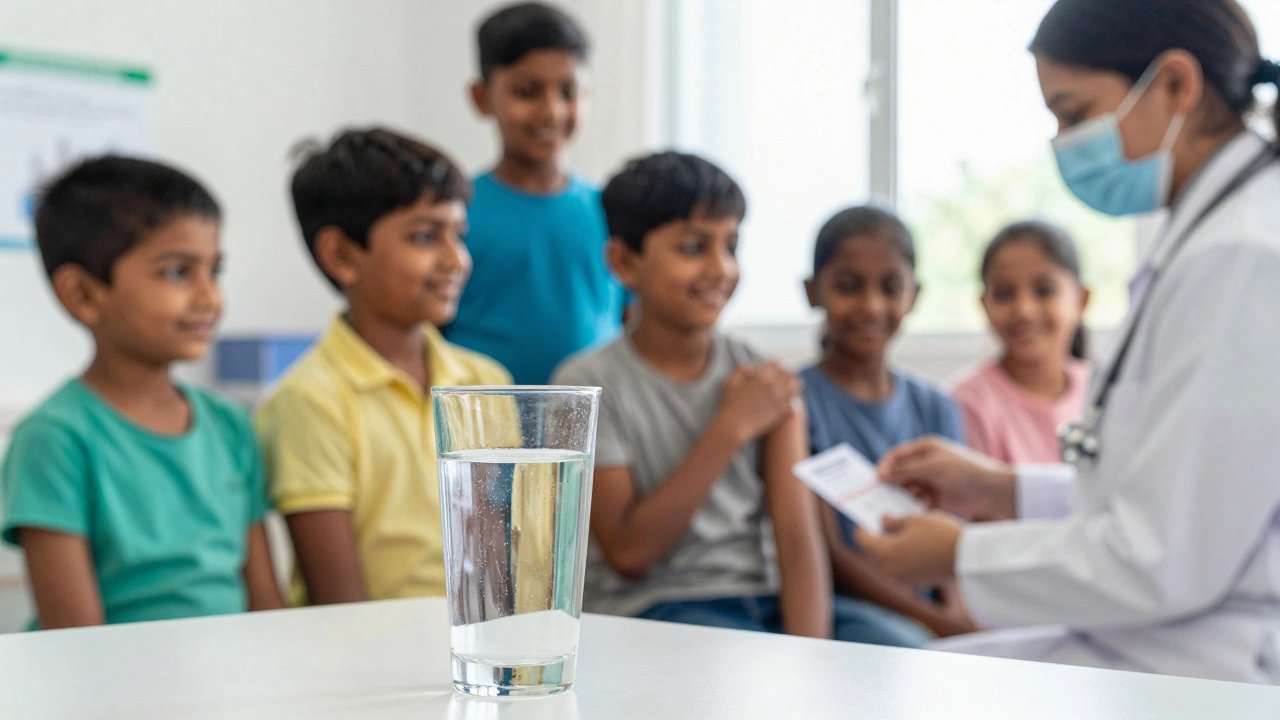
- Vaccination: The gold standard of primary prevention. Vaccines train the immune system to recognize and fight pathogens without causing the disease. The eradication of smallpox and the near-elimination of polio are direct results of global vaccination drives.
- Fluoridation of Water: Adding fluoride to public water supplies strengthens tooth enamel and prevents cavities. This is a passive intervention-people benefit simply by drinking tap water, regardless of their income or education level.
- Food Fortification: Adding vitamins to staple foods. For instance, adding iodine to salt prevents goiter and cognitive impairment. Adding folic acid to flour reduces the risk of neural tube defects in babies.
3. Environmental Modification
Sometimes, the best way to change behavior is to change the environment so that the healthy choice becomes the easy choice. This is often called "choice architecture."
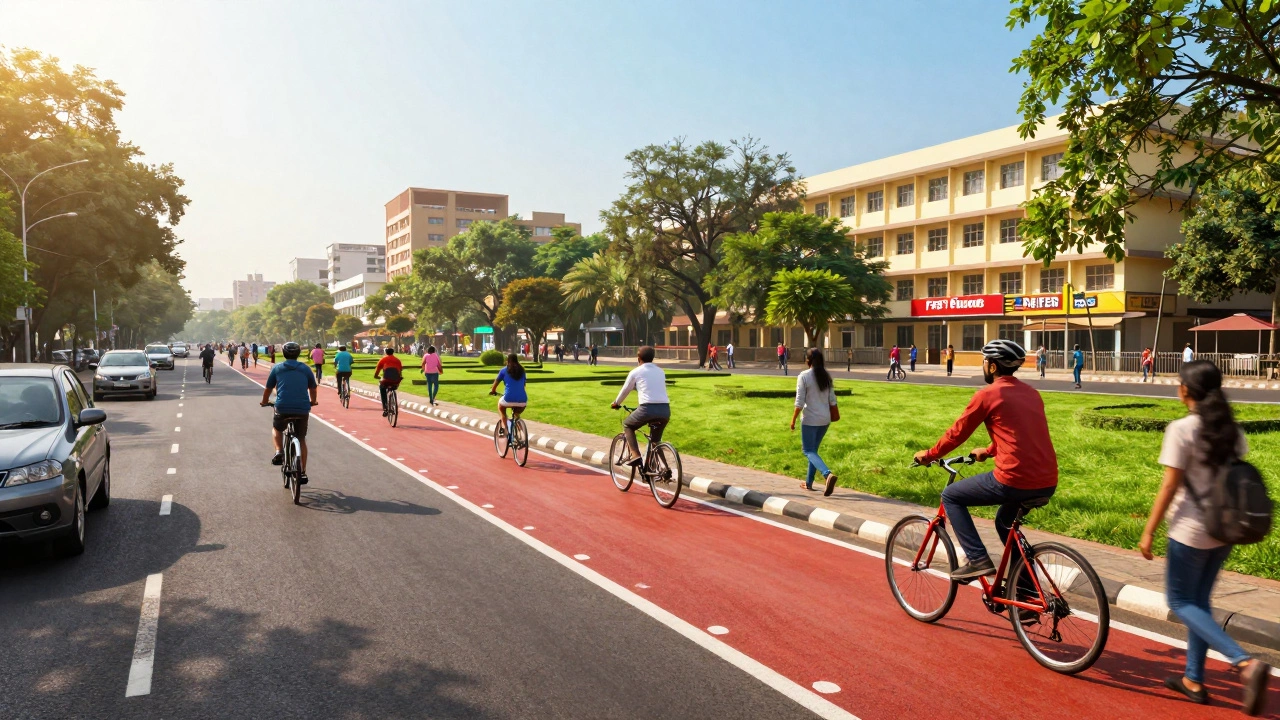
Consider traffic safety. We don’t just tell drivers to "be careful." We install guardrails, speed bumps, and better street lighting. We mandate seatbelts and child car seats. These physical and legal changes reduce accidents and injuries significantly, even when human error occurs. In public health, this might look like building bike lanes to encourage cycling or zoning laws that keep fast-food restaurants away from schools.
Real-World Examples of Successful Interventions
Theory is helpful, but real-world data proves the point. Here are three major primary public health interventions that have saved millions of lives.
| Intervention | Target Risk Factor | Mechanism | Estimated Impact |
|---|---|---|---|
| Global Tobacco Control | Smoking/Tobacco Use | Taxation, Bans, Education | Prevented over 8 million premature deaths annually since 2004 (WHO) |
| Cholera Oral Rehydration | Dehydration from Diarrhea | Simple Salt/Sugar Solution | Reduced child mortality from diarrhea by over 50% globally |
| HIV Prevention (PrEP) | HIV Transmission | Daily Medication for High-Risk Groups | Reduces risk of sexual HIV transmission by >99% when taken consistently |
Notice a pattern? None of these require high-tech hospitals. They rely on policy, simple science, and widespread distribution. This makes them scalable across both wealthy and low-income nations.
Why Primary Intervention Is Harder Than It Looks
If primary prevention is so effective, why isn’t everything a primary intervention? There are significant hurdles.
Time Lag: The benefits of primary prevention take years or decades to show. A politician launching an anti-obesity campaign today won’t see reduced heart disease rates until 2040. Secondary and tertiary care offer immediate, visible results (a surgery fixes a broken leg today). This makes primary prevention politically difficult to fund.
Behavioral Complexity: Humans are not rational actors. Telling someone to eat vegetables doesn’t work if they live in a "food desert" where fresh produce is expensive or unavailable. Primary interventions must address socioeconomic determinants of health, such as poverty, education, and housing. You cannot vaccinate your way out of poor living conditions.
Equity Issues: Some interventions inadvertently widen the gap between rich and poor. For example, gym memberships promote health, but only those who can afford them benefit. True primary public health interventions must be universal and accessible to everyone, regardless of status.
The Role of Policy and Legislation
Voluntary action rarely achieves population-level change. That is why legislation is the backbone of successful primary interventions. When individual willpower fails, law steps in.
Consider the introduction of sugar taxes. In several cities and countries, taxing sugary drinks has led to a measurable drop in consumption. Companies reformulate their products to avoid the tax, meaning consumers drink less sugar without even trying. This is a primary intervention disguised as fiscal policy.
Similarly, clean air acts that limit industrial emissions are primary interventions for respiratory health. They prevent asthma and lung cancer on a massive scale. These policies protect citizens who have no control over factory pollution. This highlights a key principle: primary public health is often about regulating external risks rather than blaming individual choices.
Future Trends in Primary Prevention
As we move further into the 2020s, technology is reshaping primary interventions. Digital health tools allow for personalized prevention. Wearable devices can monitor heart rate variability and stress levels, alerting users to potential health issues before they become clinical emergencies.
Genomics is also playing a role. While still emerging, genetic screening could allow for highly targeted primary interventions. If you know you have a genetic predisposition to high cholesterol, you can start preventive measures in your twenties rather than waiting for symptoms in your forties.
However, the core principles remain unchanged. Whether using a smartphone app or a vaccine needle, the goal is the same: stop the harm before it starts. The most successful future interventions will likely combine digital precision with broad, equitable policy frameworks.
Conclusion: Shifting the Paradigm
Primary public health interventions represent a fundamental shift in how we view health. They move us from a reactive model of fixing broken bodies to a proactive model of sustaining well-being. It is less glamorous than curing a rare disease, but its impact is far broader.
By focusing on vaccines, sanitation, education, and policy, we can reduce the burden of chronic diseases, lower healthcare costs, and extend healthy lifespans for entire populations. The next time you receive a flu shot or walk across a bridge with sturdy railings, remember: you are benefiting from a primary public health intervention. It worked silently, effectively, and successfully.
What is the difference between primary and secondary prevention?
Primary prevention aims to stop disease before it ever starts by reducing risk factors (e.g., vaccination, health education). Secondary prevention focuses on early detection and treatment of existing disease to halt its progression (e.g., cancer screenings, blood pressure checks).
Can you give an example of a primary public health intervention?
A common example is fluoridation of public water supplies. It prevents tooth decay in the entire population passively. Other examples include mandatory seatbelt laws, smoking bans in public places, and childhood immunization programs.
Why are primary interventions considered more cost-effective?
They prevent the onset of disease, thereby avoiding the high costs associated with long-term medical treatment, hospitalization, and disability management. Preventing a case of diabetes is significantly cheaper than managing its complications like kidney failure or blindness.
What is the role of government in primary public health interventions?
Governments play a critical role through legislation and regulation. They enforce safety standards, fund public education campaigns, implement taxes on harmful products (like tobacco and sugar), and ensure equitable access to preventive services like vaccines.
How does environmental modification fit into primary prevention?
Environmental modification changes the physical or social surroundings to make healthy choices easier. Examples include building safe parks for exercise, installing guardrails on roads, and ensuring clean air regulations. It reduces reliance on individual willpower.