What Are the Disadvantages of Nanotechnology? Risks You Can't Ignore
 Jan, 2 2026
Nanotechnology Risk Assessment Tool
Nanotechnology is transforming our world, but the tiny particles it uses may pose hidden risks. This tool estimates your potential exposure to nanoparticles based on your daily habits and environment. Learn about specific risks and how to reduce your exposure.
Your Nanoparticle Exposure Assessment
People talk about nanotechnology like it’s the next big miracle cure for everything-from cancer to clean energy. And sure, it’s powerful. But behind the hype, there are real, measurable downsides that don’t get enough attention. If you’re wondering whether nanotech is as safe as it sounds, you’re right to ask. The truth is, we’re using materials smaller than a virus in everything from sunscreen to socks, and we still don’t fully understand what they’re doing to our bodies or the planet.
Unknown Health Effects from Nanoparticles
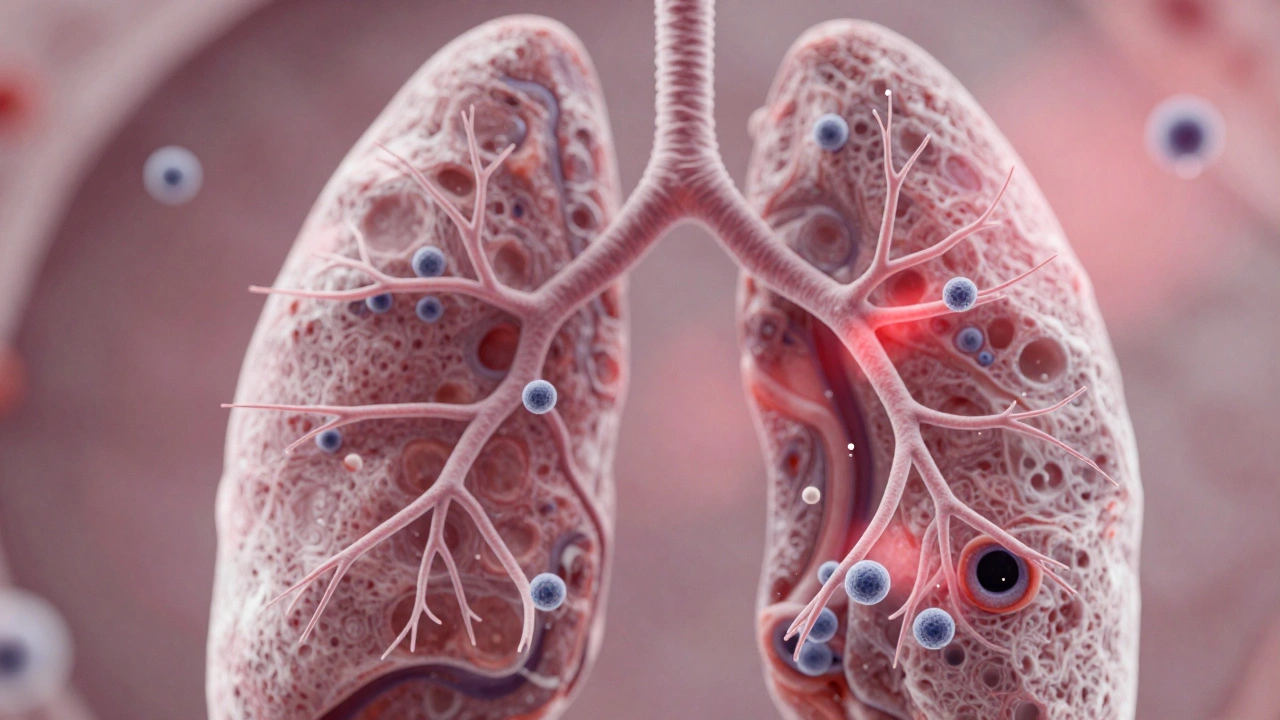
Nanoparticles are so tiny-1 to 100 nanometers-that they can slip past your body’s natural defenses. Your lungs, skin, even your blood-brain barrier weren’t designed to stop something this small. Studies from the University of Edinburgh and the European Commission’s Joint Research Centre show that certain carbon nanotubes behave like asbestos when inhaled. They don’t break down. They linger. And over time, they can cause inflammation, scarring, or even trigger tumors in lab animals.
It’s not just inhalation. Nanoparticles in cosmetics or food packaging can enter your bloodstream. A 2023 study in Nature Nanotechnology found that silver nanoparticles from antibacterial socks were detected in human liver tissue after just six weeks of regular use. We don’t know yet if that causes long-term damage, but we also don’t know it doesn’t. The FDA has no mandatory safety testing for nanomaterials in consumer products. That’s not oversight-it’s a gamble.
Environmental Contamination Is Already Happening
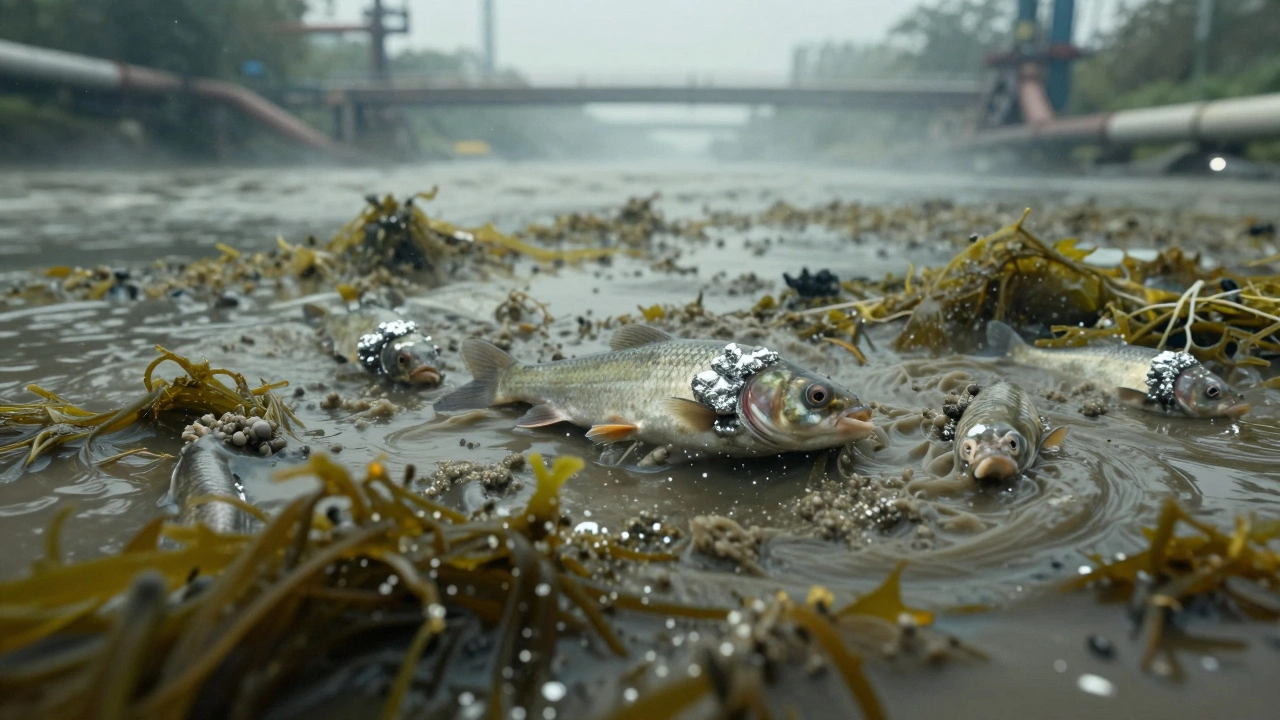
Nanotech doesn’t stay in the lab. It ends up in water, soil, and air. Wastewater treatment plants can’t filter out nanoparticles. They flow into rivers. A 2024 analysis of the Mersey River near Liverpool found measurable levels of titanium dioxide nanoparticles-used in paint and sunscreen-in fish gills and sediment. These particles disrupt microbial communities that keep ecosystems balanced. In lab tests, zinc oxide nanoparticles killed 80% of freshwater algae at concentrations found in urban runoff.
And it’s not just aquatic life. Earthworms exposed to nanosilver in soil showed reduced reproduction rates. Bees exposed to nanoparticles in pollen had impaired navigation. These aren’t theoretical risks. They’re documented effects. We’re releasing billions of nanoparticles into the environment every year, and no one’s tracking the cumulative impact.
Lack of Regulation and Oversight
There’s no global standard for nanotech safety. In the U.S., the EPA treats nanomaterials as existing chemicals unless proven dangerous-which means most aren’t tested until after they’re already in products. The EU has slightly stricter rules, but even there, enforcement is patchy. In China, where most nanotech manufacturing happens, regulations are minimal and rarely enforced.
Companies don’t have to label nanomaterials in products. You can buy a toothpaste labeled ‘natural’ that contains nano-sized titanium dioxide, and you’d never know. A 2025 investigation by the Environmental Working Group found that 37% of sunscreens marketed as ‘chemical-free’ contained unlisted nanoparticles. Transparency? Nonexistent.
High Costs and Unequal Access
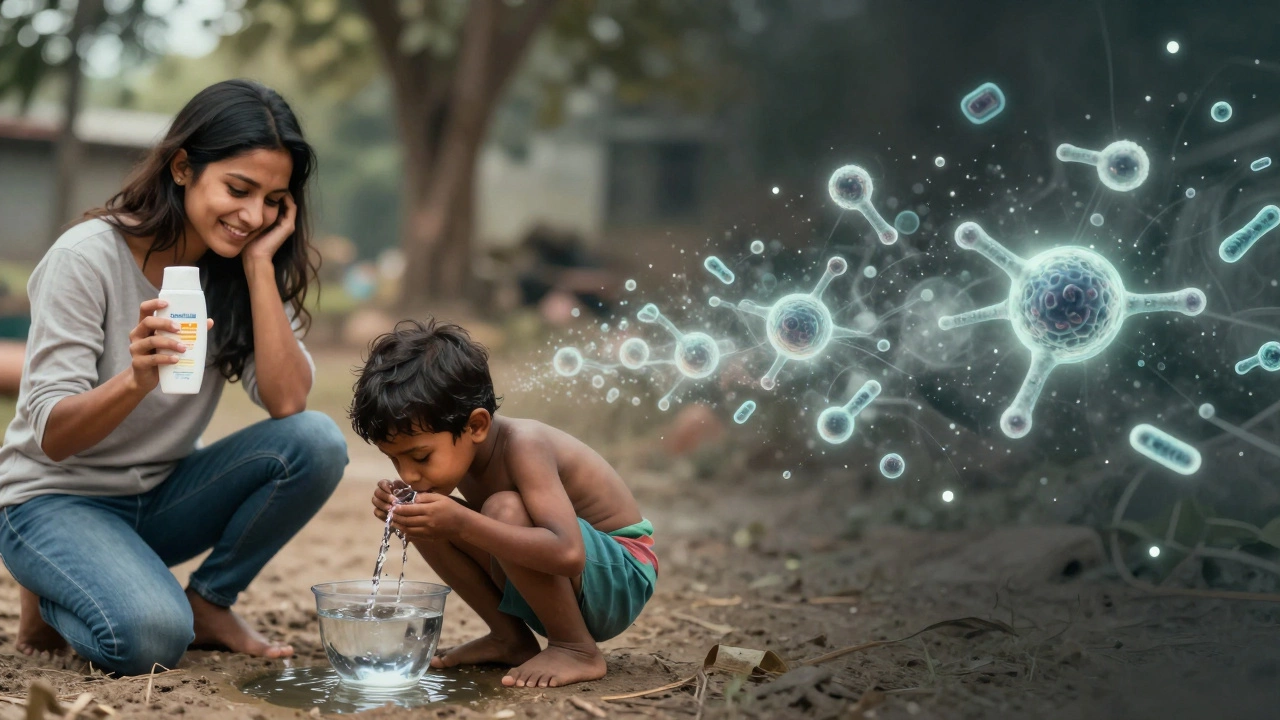
Nanotech isn’t cheap. Developing a single nanomaterial for medical use can cost over $200 million. That means only big corporations or well-funded universities can play. Small labs, developing countries, and public health systems get left behind. While wealthy nations use nanotech to deliver targeted cancer drugs, people in rural India or sub-Saharan Africa still lack basic antibiotics.
This isn’t just unfair-it’s dangerous. When innovation is locked behind patents and profit margins, it doesn’t solve global problems. It widens them. Nanotech could help purify water in drought-stricken areas, but the tech is owned by a handful of companies that won’t license it for low-income markets.
Weaponization and Security Risks
Nanotechnology isn’t just for medicine and consumer goods. Militaries around the world are investing billions in nanotech for next-gen weapons. Imagine tiny sensors that can track soldiers through walls. Or self-replicating nanobots that disrupt electronics. The U.S. Defense Advanced Research Projects Agency (DARPA) has openly funded research into ‘nanoscale swarm systems.’ China and Russia are doing the same.
There’s no international treaty banning nanoweapons. No monitoring system. No way to detect if a battlefield has been contaminated with nanoscale toxins. The risk isn’t science fiction-it’s a blind spot in global security policy. One rogue actor, one accidental release, and we could trigger a cascade of uncontrolled effects.
Public Misunderstanding and Overhype
Most people think nanotech is either magic or terrifying. Neither is true. The reality is messy, complex, and still evolving. But because of sensational headlines-‘Nanobots Will Cure Aging!’ or ‘Nano-Toxins Are Killing Us All!’-the public can’t form a balanced opinion.
This gap between perception and reality makes regulation harder. When people think it’s all harmless, they demand fewer checks. When they think it’s apocalyptic, they demand bans that stifle useful innovation. Neither helps. What we need is honest communication: here’s what we know, here’s what we don’t, and here’s why we’re still learning.
What’s Being Done? Not Enough.
Some researchers are pushing for better testing. The OECD has a nanomaterial testing framework, but only 12 countries participate fully. The U.S. National Nanotechnology Initiative spends $1.5 billion a year on R&D-but less than 5% goes to safety and environmental impact studies. That’s like building a new airplane and spending 95% of the budget on the engine and 5% on the parachute.
There are glimmers of progress. The European Chemicals Agency now requires safety data for nanomaterials sold above one ton per year. California passed a law in 2024 requiring labeling of nanomaterials in cosmetics. But these are exceptions, not norms. Without global standards, meaningful change won’t happen.
The Bottom Line
Nanotechnology isn’t evil. But it’s not innocent, either. We’re using it in ways we don’t fully understand, with rules that don’t match the scale of the risk. The advantages-faster drug delivery, lighter materials, cleaner energy-are real. But they shouldn’t blind us to the costs.
Until we have mandatory safety testing, full transparency in labeling, and international oversight, we’re playing with fire. And the fire isn’t just in the lab. It’s in your bathroom cabinet, your child’s sunscreen, the water you drink, and the air you breathe.
Ask yourself: Do you really want to trust your health and environment to something smaller than a virus-with no way to track it, test it, or control it?
Are nanoparticles naturally occurring or only man-made?
Both. Nanoparticles exist naturally-volcanic ash, sea spray, and even smoke from wildfires contain them. But the nanoparticles used in consumer products, medicine, and industry are engineered. These are designed to be more reactive, more durable, and more persistent than natural ones. That’s what makes them useful-and potentially more dangerous.
Can nanotechnology be recycled?
Most nanotech products can’t be recycled effectively. Standard recycling processes break down materials at the macro level, but nanoparticles survive and contaminate other streams. For example, nanosilver from electronics ends up in e-waste recycling, then leaches into soil and water. There are pilot programs to recover nanomaterials, but they’re expensive and not scalable yet.
Do all nanoparticles cause harm?
No. Not all nanoparticles are toxic. Some, like gold nanoparticles used in cancer diagnostics, have shown low toxicity in clinical trials. The risk depends on the material, size, shape, surface coating, and how much exposure you get. But because testing is inconsistent, we often can’t tell which ones are safe until it’s too late.
Is there a safe level of nanoparticle exposure?
We don’t know. Regulatory agencies like the EPA and ECHA have set limits for some materials-like titanium dioxide-but these are based on older data and don’t account for long-term, low-dose exposure. New research suggests even trace amounts can accumulate in organs over time. Until we have better biomonitoring tools, there’s no reliable safety threshold.
Why aren’t more countries regulating nanotech?
Because it’s complicated and expensive. Testing nanoparticles requires advanced equipment and new protocols. Many countries lack the funding or expertise. Plus, industries that profit from nanotech lobby against strict rules. Without public pressure or international pressure, governments delay action. The result? A global patchwork of weak or nonexistent rules.