What Are Examples of Case Finding? Real-World Public Health Strategies
 Jul, 10 2026
Case Finding Strategy Selector
Determine the Best Approach
Select the characteristics of the condition or scenario below to receive a recommendation on the most effective case-finding strategy.
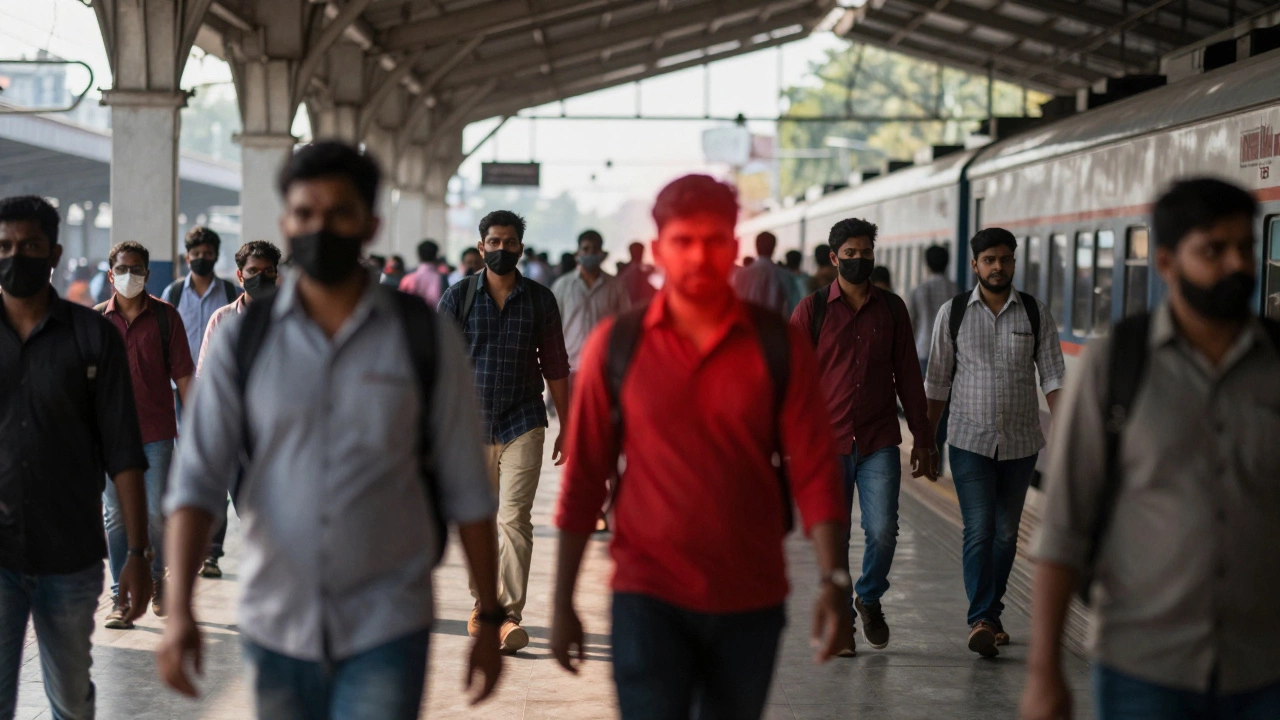
Imagine walking into a crowded train station. Most people are healthy, but a few might be carrying an infectious disease without knowing it. If we wait for them to get sick and call a doctor, the virus could spread to hundreds more before anyone acts. This is where case finding comes in. It’s not just about treating the sick; it’s about hunting down hidden cases to stop outbreaks before they start.
Case finding is the systematic process of identifying individuals with a specific condition who have not yet been diagnosed or reported. In public health, this is a critical tool for controlling communicable diseases like tuberculosis (TB), HIV, and syphilis, as well as managing chronic conditions like hypertension. The goal is simple: find the patient early, treat them, and protect the community.
Active vs. Passive Case Finding: The Core Difference
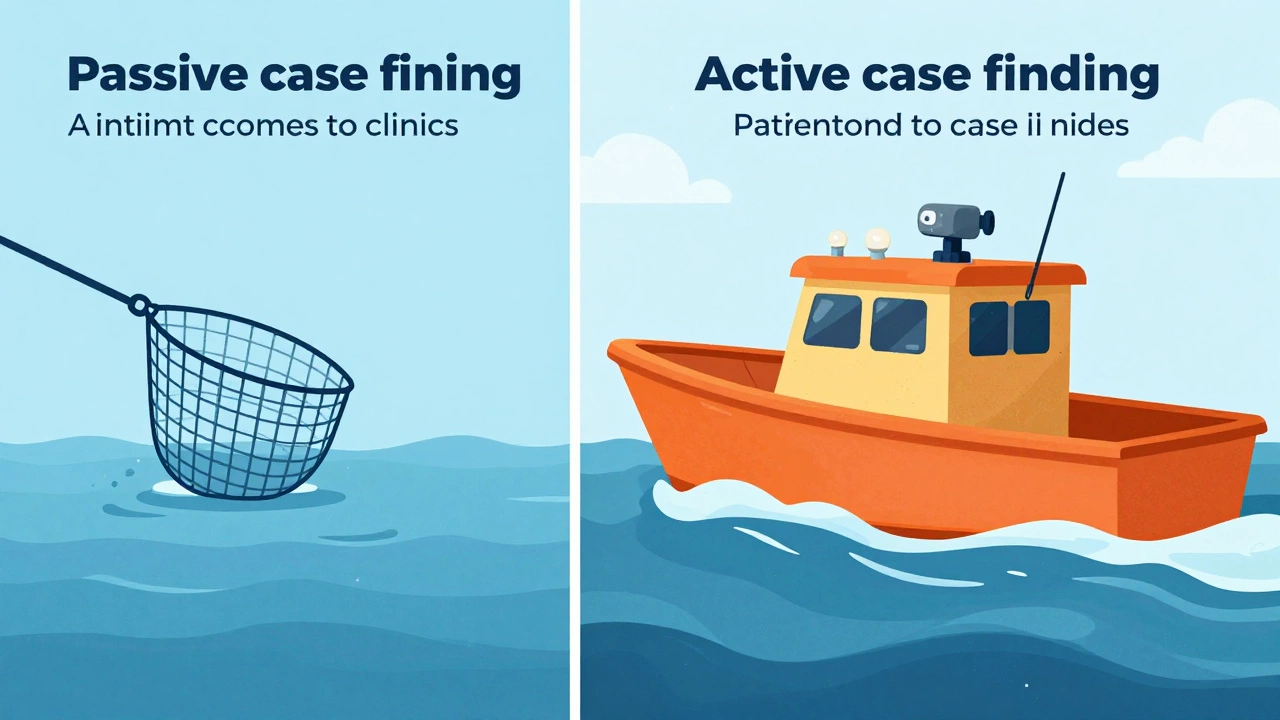
To understand examples of case finding, you first need to distinguish between two main approaches: active and passive. Think of passive case finding as a fishing net left in the water-you wait for fish (patients) to swim into it. Active case finding is like going out on a boat with sonar, actively searching for schools of fish.
Passive case finding is the traditional method where patients present themselves to healthcare facilities due to symptoms. This is the standard model of care in most hospitals. A person feels chest pain, goes to the ER, and gets diagnosed with heart disease. While efficient for acute care, it fails for silent killers or highly contagious diseases where asymptomatic carriers spread infection unknowingly.
In contrast, Active case finding is a proactive strategy where health workers seek out undiagnosed individuals in the community. This requires resources, planning, and often door-to-door visits. It is essential for diseases with long latency periods or high transmission rates among vulnerable populations.
Real-World Examples of Active Case Finding
Let’s look at concrete examples of how active case finding works in practice. These strategies are deployed by organizations like the World Health Organization (WHO) and the Centers for Disease Control and Prevention (CDC).
1. Contact Tracing for Tuberculosis (TB)
Tuberculosis is a classic example where passive case finding falls short. TB can remain latent in a person’s body for years before becoming active. During this time, the person may not feel sick but can still transmit bacteria if they progress to active disease.
In active TB case finding, when one patient tests positive, public health nurses don’t just treat that individual. They interview the patient to create a list of close contacts-family members, roommates, coworkers. Health workers then visit these contacts to screen them for TB symptoms and perform diagnostic tests like sputum smear microscopy or GeneXpert assays. This "contact investigation" is a form of active case finding that breaks chains of transmission.
2. Mobile Screening Units for HIV
HIV has a long asymptomatic period. Many people live with the virus for a decade without knowing it. Waiting for them to develop AIDS-defining illnesses is too late for both the patient and public health safety.
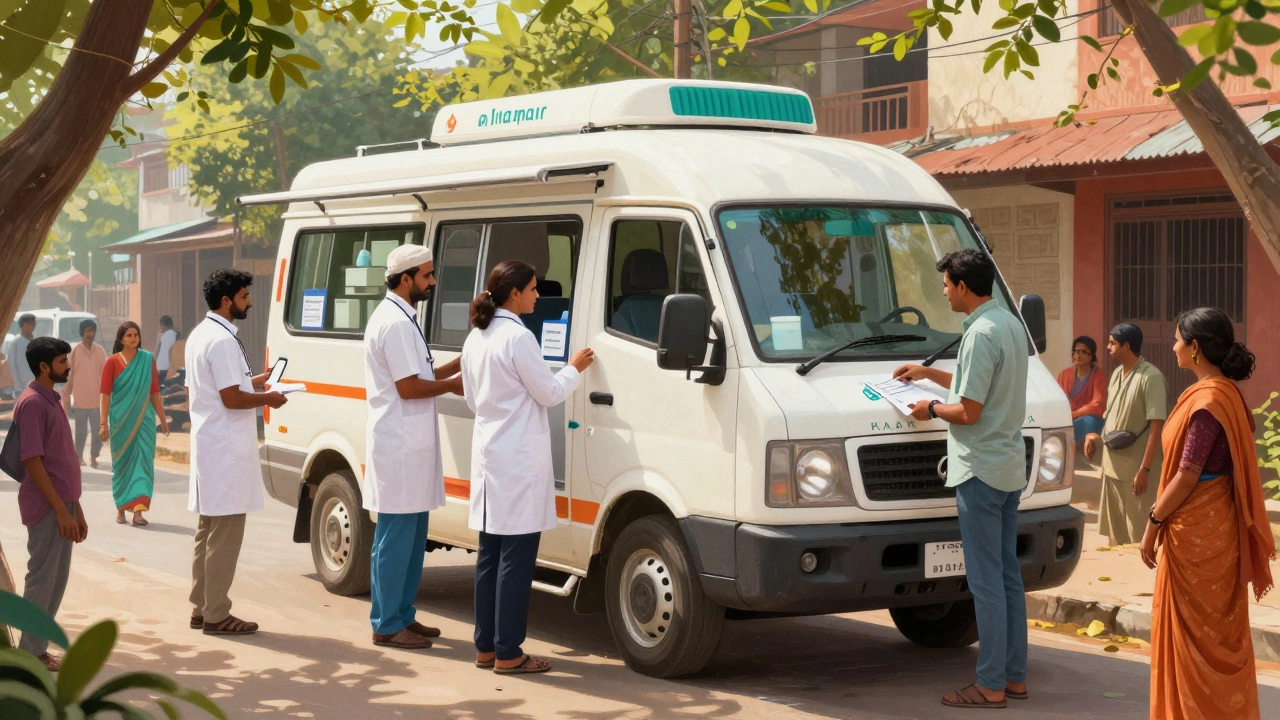
Mobile screening vans equipped with rapid HIV testing kits go to neighborhoods with high prevalence rates. They offer free, confidential testing on-site. If someone tests positive, they are immediately linked to care. This approach removes barriers like transportation costs, stigma, and lack of insurance. It is a textbook example of active case finding targeting a specific geographic and demographic cluster.
3. School-Based Vision and Hearing Screening
Not all case finding is about infectious diseases. Chronic developmental issues also require proactive identification. Schools often conduct annual vision and hearing screenings for all students.
A teacher might notice a child struggling to read, but the root cause could be uncorrected myopia. By screening every child regardless of symptoms, schools identify cases early. Parents are notified, and children receive glasses or referrals to specialists. This prevents academic failure and social isolation, demonstrating how case finding applies to non-infectious public health goals.
| Feature | Passive Case Finding | Active Case Finding |
|---|---|---|
| Initiative | Patient-driven | Health system-driven |
| Cost | Lower per test | Higher due to logistics/staffing |
| Best For | Acute, symptomatic conditions | Asymptomatic, stigmatized, or widespread diseases |
| Example | Walking into a clinic with flu symptoms | Door-to-door malaria testing in rural areas |
Surveillance Systems as Indirect Case Finding
Sometimes, case finding happens through data rather than direct human interaction. Syndromic surveillance is a powerful example. Emergency departments report codes for symptoms like fever, cough, or rash in real-time.
If a sudden spike in "fever + cough" cases appears in a specific zip code, algorithms flag it as a potential outbreak. Health officials then deploy teams to investigate. This isn’t direct case finding yet, but it triggers active case finding efforts. It turns raw data into actionable intelligence, allowing authorities to target their resources where they are needed most.
Challenges in Implementing Case Finding
While effective, active case finding is not without hurdles. Privacy concerns are significant. People may resist home visits or mobile testing due to fear of stigma, especially for conditions like HIV or mental health disorders. Building trust within communities is half the battle.
Resource allocation is another challenge. Active case finding requires trained personnel, transport, and diagnostic tools. In low-resource settings, prioritizing which population to screen becomes a difficult ethical and logistical decision. Health officials must weigh the cost of screening against the expected number of cases found-a concept known as the yield of case finding.
The Role of Technology in Modern Case Finding
Digital tools are transforming how we find cases. Electronic Health Records (EHRs) can automatically flag patients who are overdue for cancer screenings or vaccinations. When a patient logs into their portal, they might see a reminder: "You are due for a colonoscopy." This is a digital form of active case finding.
Artificial intelligence is also being used to analyze medical images. AI algorithms can scan thousands of chest X-rays to detect early signs of TB or lung cancer faster than human radiologists. This increases the sensitivity of case finding, catching subtle abnormalities that might otherwise be missed.
Why Case Finding Matters for Community Health
Ultimately, case finding shifts the paradigm from reactive treatment to proactive prevention. By identifying cases early, we reduce morbidity and mortality. We also lower the overall burden on healthcare systems. Treating advanced-stage cancer is far more expensive and less successful than detecting it at stage one.
For infectious diseases, case finding is a moral imperative. Every untreated case of measles or TB is a ticking time bomb for the wider community. Proactive identification protects the vulnerable-those who cannot be vaccinated or are immunocompromised.
What is the difference between screening and case finding?
Screening is applied to a general population to detect risk factors or unrecognized disease in asymptomatic individuals. Case finding is often more targeted, focusing on specific high-risk groups or contacts of known cases. For example, mammograms for all women over 50 are screening. Testing sexual partners of an HIV-positive person is case finding.
Is contact tracing considered case finding?
Yes, contact tracing is a specific type of active case finding. It involves identifying people who have been exposed to an infected individual and testing them to see if they have also contracted the disease. This is crucial for controlling outbreaks of diseases like Ebola, TB, and COVID-19.
Why is active case finding more expensive than passive?
Active case finding requires mobilizing staff, transporting equipment, and often conducting outreach in homes or communities. Passive case finding relies on patients coming to clinics, which utilizes existing infrastructure. However, active case finding can save money in the long run by preventing costly outbreaks and advanced-stage treatments.
What are some examples of passive case finding?
Examples include a patient visiting a doctor because of a persistent cough, leading to a TB diagnosis, or someone going to the emergency room after a car accident and being diagnosed with diabetes during blood work. In both cases, the patient initiated the contact with the healthcare system.
How does technology improve case finding accuracy?
Technology improves accuracy through automated alerts in electronic health records, AI-driven analysis of medical images, and genomic sequencing to track disease variants. These tools help health workers identify patterns and locate cases more efficiently than manual methods alone.