The Main Problem of Nanotechnology: Toxicity, Safety, and the Unknown
 Jun, 5 2026
Nanotechnology Safety & Risk Estimator
Key Risk Factors:
- ! Size: Particles <20nm easily cross cell membranes and blood-brain barrier
- ⚠ Shape: Long, thin particles (like carbon nanotubes) can cause chronic inflammation
- i Surface Area: Higher surface area = more chemical reactivity and ion release
- ✓ Coating: Proper surface modification can dramatically reduce toxicity
This estimator is educational only. Real-world risk assessment requires comprehensive laboratory testing and regulatory evaluation.
Risk Assessment Results
Health Impact Analysis
Environmental Impact Analysis
Recommendations:
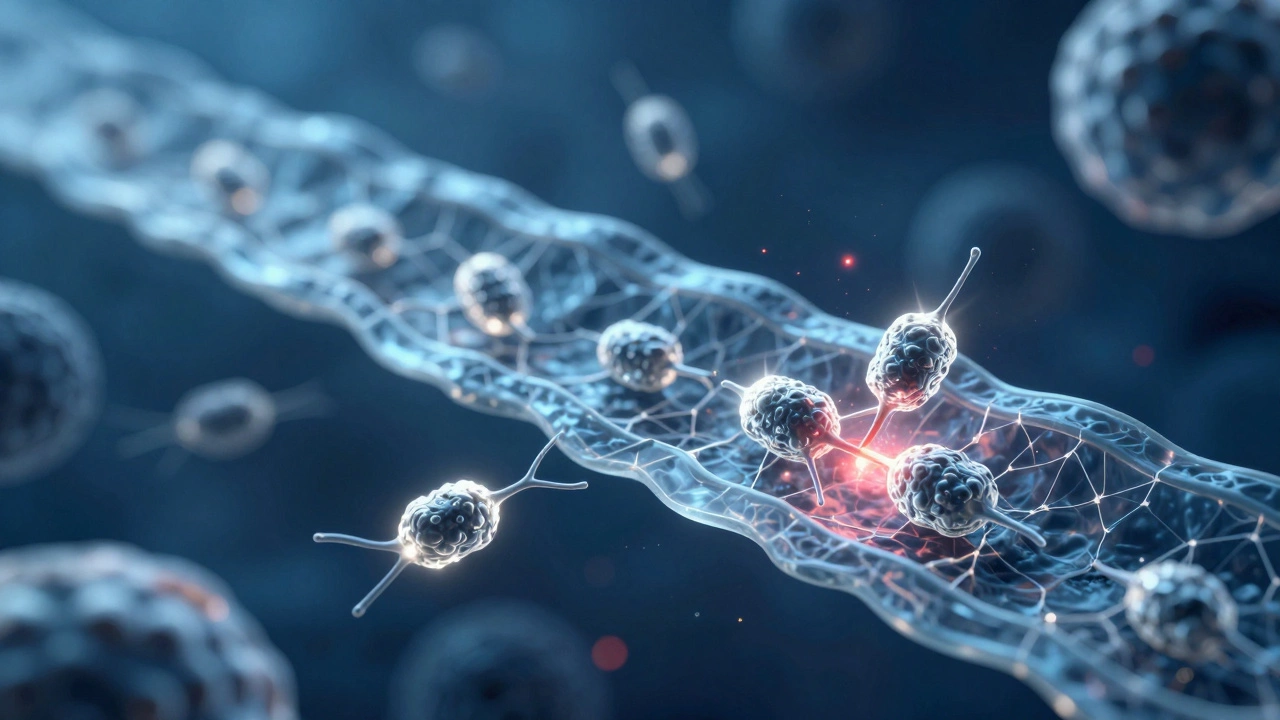
Imagine a material so small that it behaves differently than the same material in bulk. That is the promise of nanotechnology, defined as the manipulation of matter at an atomic or molecular scale, typically between 1 and 100 nanometers. It promises lighter cars, more efficient solar panels, and targeted cancer drugs. But there is a catch. The very property that makes these materials powerful-their tiny size-is also what makes them dangerous. When you shrink something down to the nanoscale, its surface area explodes relative to its volume. This means more chemical reactivity. More interaction with biological systems. And, potentially, more harm.
The main problem of nanotechnology isn't one single issue; it is a cluster of interconnected challenges centered on uncertainty. Specifically, we lack comprehensive data on how engineered nanoparticles affect human health and the environment over long periods. We are releasing billions of tons of nanomaterials into the world without fully understanding their lifecycle. This gap between rapid innovation and slow scientific validation creates a significant risk.
Nanotoxicology: The Biological Threat
To understand the danger, you have to look at biology. Your body has natural defense mechanisms. Your skin keeps things out. Your lungs filter particles. Your blood-brain barrier protects your brain. But nanoparticles are small enough to bypass these defenses. They can slip through cell membranes. They can travel through the bloodstream. Some can even cross the blood-brain barrier, which is supposed to be impenetrable.
This leads to nanotoxicology, the study of the toxic effects of nanomaterials on living organisms. A classic example is carbon nanotubes. These structures look like rolled-up sheets of graphene. They are incredibly strong and useful for electronics. But studies have shown that certain types of multi-walled carbon nanotubes can cause inflammation in the lungs similar to asbestos fibers. Why? Because they are long, thin, and biopersistent. The body doesn't know how to break them down. So they sit there, causing chronic irritation and potential scarring.
It’s not just about shape. It’s about chemistry. Silver nanoparticles (silver nanoparticles are widely used for their antimicrobial properties in consumer products like socks, food containers, and wound dressings.) kill bacteria by releasing silver ions. But those same ions can damage human cells, particularly mitochondria, which are the powerhouses of our cells. If mitochondria fail, cells die. This is called cytotoxicity. While acute exposure might not kill you, chronic low-level exposure could lead to cellular degradation over time.
Environmental Persistence and Bioaccumulation
The problem doesn’t stop inside your body. It spills out into the environment. When you wash clothes containing nanosilver, or when tires wear down releasing nano-sized rubber particles, these materials enter wastewater systems. Most treatment plants aren’t designed to filter particles this small. They pass through into rivers, lakes, and oceans.
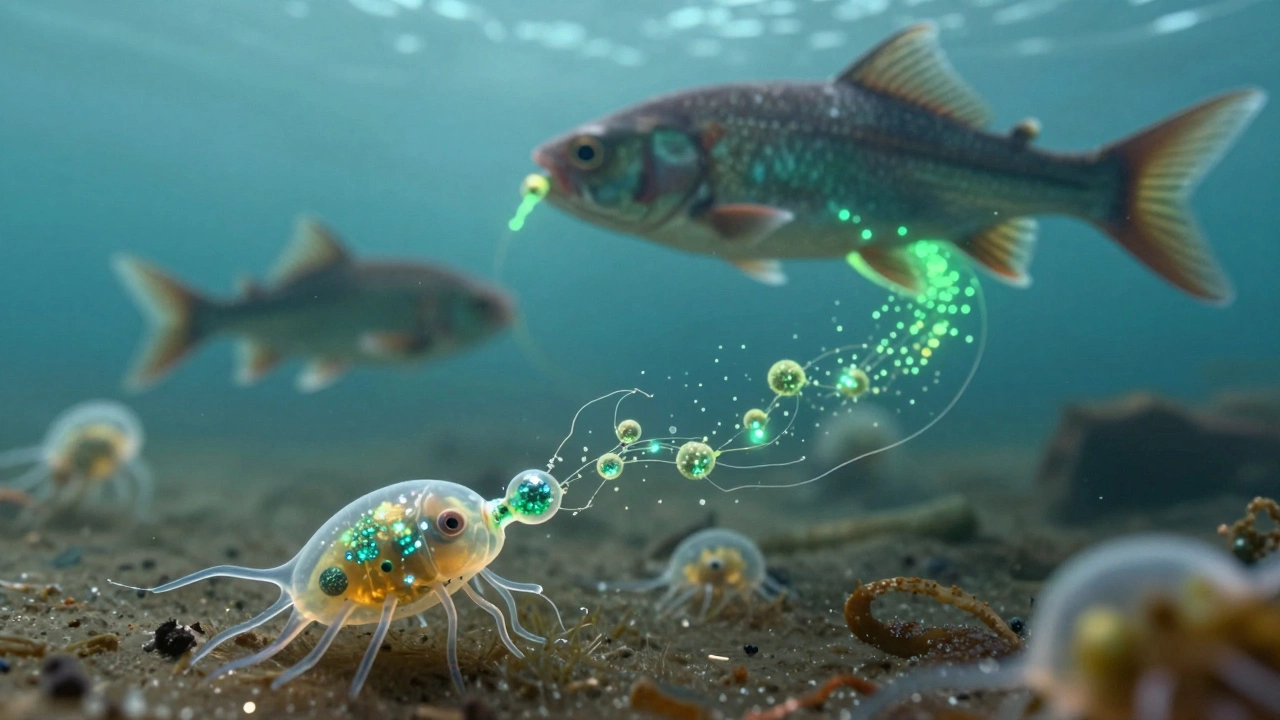
Once in the water, nanoparticles don’t just dissolve. They aggregate. They bind to other pollutants. They become part of the sediment. This is where bioaccumulation becomes a major concern. Bioaccumulation is the process by which toxic substances build up in an organism's tissues over time. Small aquatic organisms ingest nanoparticles. Fish eat the small organisms. Larger predators eat the fish. At each step, the concentration of nanoparticles increases. This is biomagnification.
We see this with mercury in tuna. Now imagine it with engineered nanomaterials that we barely understand. A study published in *Nature Nanotechnology* highlighted that titanium dioxide nanoparticles, common in sunscreens, can cause oxidative stress in algae, disrupting entire aquatic food webs. If the base of the food chain is compromised, everything above it suffers. We are essentially conducting a global experiment with unknown variables.
The Detection and Measurement Gap
You can’t manage what you can’t measure. One of the biggest hurdles in addressing nanotechnology risks is the lack of standardized detection methods. Traditional environmental monitoring tools struggle to identify specific engineered nanoparticles amidst a sea of naturally occurring particles. Dust, volcanic ash, and biological debris all exist at the nanoscale. Distinguishing a manufactured quantum dot from a natural mineral particle requires expensive, specialized equipment like electron microscopy or mass spectrometry.
This creates a regulatory blind spot. Governments need data to set safety limits. But if scientists can’t easily detect the presence of nanoparticles in soil or water, how can regulators enforce standards? Currently, there is no universal protocol for measuring nanoparticle exposure in occupational settings. Factory workers handling nanomaterials may be inhaling hazardous doses without knowing it because standard air quality monitors don’t pick them up.
Regulatory Lag and Ethical Concerns
Laws move slowly. Science moves fast. The regulatory framework for nanotechnology is fragmented and outdated. In many countries, nanomaterials are regulated under existing chemical laws that were written decades ago. These laws assume that toxicity scales linearly with dose. But at the nanoscale, quantity isn’t everything. Shape, charge, and surface coating matter just as much. A law based solely on weight doesn’t account for the unique behavior of nanoparticles.
This regulatory lag raises ethical questions. Who bears the risk? Often, it’s the public and the environment. Manufacturers benefit from new technologies, but society pays the price for potential long-term health issues. There is also the issue of informed consent. Consumers buy products labeled "nano-enhanced" without understanding what they are putting on their skin or into their homes. Is it ethical to market products whose long-term safety profile is unproven?
| Attribute | Bulk Material (e.g., Copper) | Nanomaterial (e.g., Copper Nanoparticles) |
|---|---|---|
| Reactivity | Low; stable structure | High; large surface-area-to-volume ratio |
| Biological Uptake | Poor; too large to cross cell membranes easily | Easy; can penetrate cells and organelles |
| Toxicity Mechanism | Chemical poisoning via ion release | Oxidative stress, physical interference, DNA damage |
| Detection Difficulty | Low; standard chemical tests work | High; requires advanced microscopy/spectroscopy |
| Environmental Fate | Precipitates or settles quickly | Remains suspended longer; travels further |
Solutions: Moving Toward Safe-by-Design
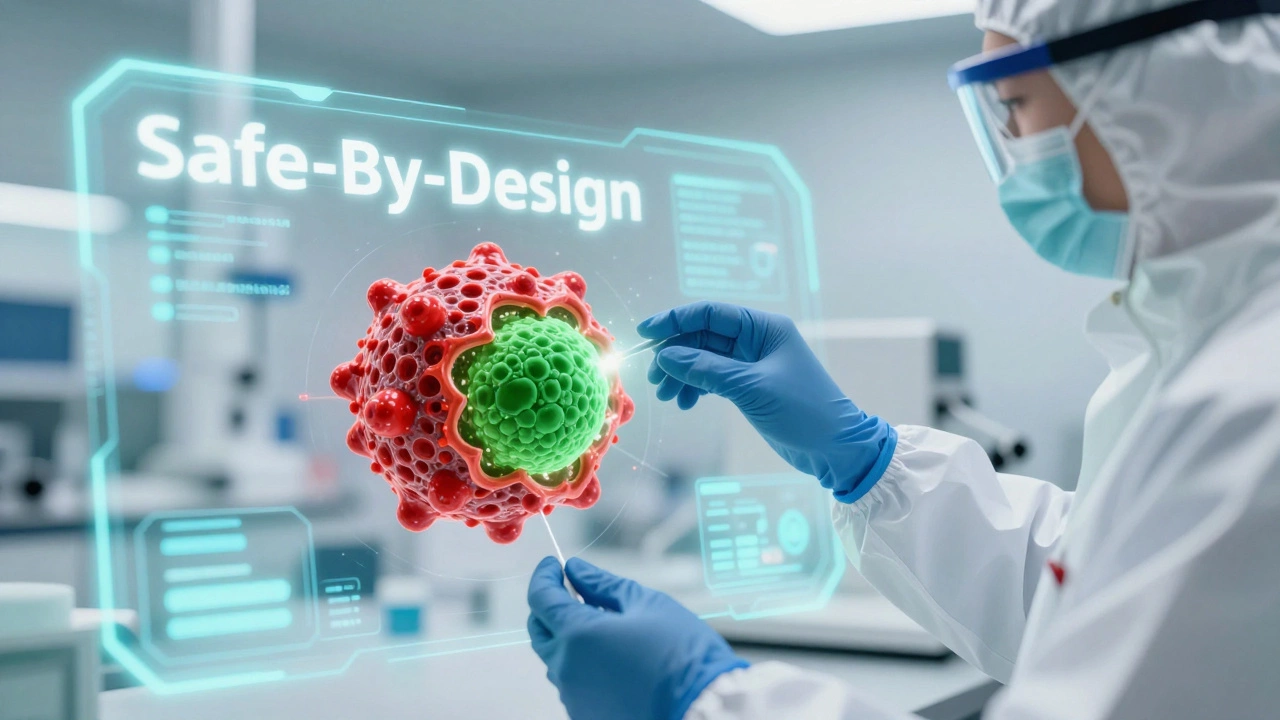
Acknowledging the problem is the first step. The solution lies in shifting from reactive regulation to proactive design. This approach is known as Safe-by-Design. It integrates safety considerations into the early stages of nanomaterial development rather than adding them later. Instead of creating a nanoparticle and then testing if it’s toxic, scientists design the particle to be inherently safer. This might mean changing the surface coating to reduce reactivity, altering the shape to prevent lung retention, or ensuring the material degrades quickly in the environment.
Collaboration is key. Researchers, industry leaders, and policymakers need to talk to each other. We need better funding for nanotoxicology research. We need standardized testing protocols. And we need transparency. Companies should disclose the use of nanomaterials in their products. Consumers deserve to know what they are buying.
The main problem of nanotechnology is not the technology itself. It is our failure to keep pace with its implications. By prioritizing safety alongside innovation, we can harness the power of the nanoscale without compromising our health or the planet. The future is small, but the stakes are huge.
Is nanotechnology safe for everyday consumers?
Currently, most consumer products containing nanomaterials are considered safe for short-term use. However, long-term safety data is limited. Products like sunscreen with zinc oxide nanoparticles are generally regarded as safe because the particles do not penetrate healthy skin deeply. But inhalation of nanoparticles, such as from sprays or powders, poses higher risks due to lung absorption. Caution is advised, especially regarding aerosolized nano-products.
What is the difference between bulk material and nanomaterial toxicity?
Bulk materials are larger and less reactive. Their toxicity usually depends on chemical composition and dose. Nanomaterials have a high surface-area-to-volume ratio, making them more chemically reactive. They can also penetrate biological barriers that block larger particles, leading to different and often more severe toxicological effects, such as oxidative stress or cellular damage, even at low doses.
How do nanoparticles affect the environment?
Nanoparticles can enter ecosystems through wastewater, air deposition, and product disposal. They may accumulate in soil and water, affecting microorganisms, plants, and animals. Some nanoparticles are persistent and do not break down easily, leading to bioaccumulation in the food chain. This can disrupt ecological balance and harm biodiversity.
What is Safe-by-Design in nanotechnology?
Safe-by-Design is an approach that incorporates safety assessments into the initial design phase of nanomaterials. Instead of testing for toxicity after creation, scientists modify the material’s properties-such as size, shape, and surface chemistry-to minimize potential hazards while maintaining functionality. This proactive strategy aims to prevent risks before they occur.
Are there regulations governing nanotechnology?
Yes, but regulations vary by country and are often fragmented. Many regions regulate nanomaterials under existing chemical safety laws, which may not adequately address their unique properties. Organizations like the EPA in the US and ECHA in Europe are developing specific guidelines. However, enforcement and standardized testing remain challenges globally.