The Greenhouse Effect Explained: How It Works and Why It Matters
 Aug, 21 2026
Greenhouse Gas Warming Potential Calculator
Enter emission values and click calculate to see the equivalent CO2 impact.
Imagine standing in a car with the windows closed on a sunny day. The sun shines through the glass, warming up the seats and the air inside. But when you try to open the window, the heat stays trapped. That is essentially what is happening to our planet right now.
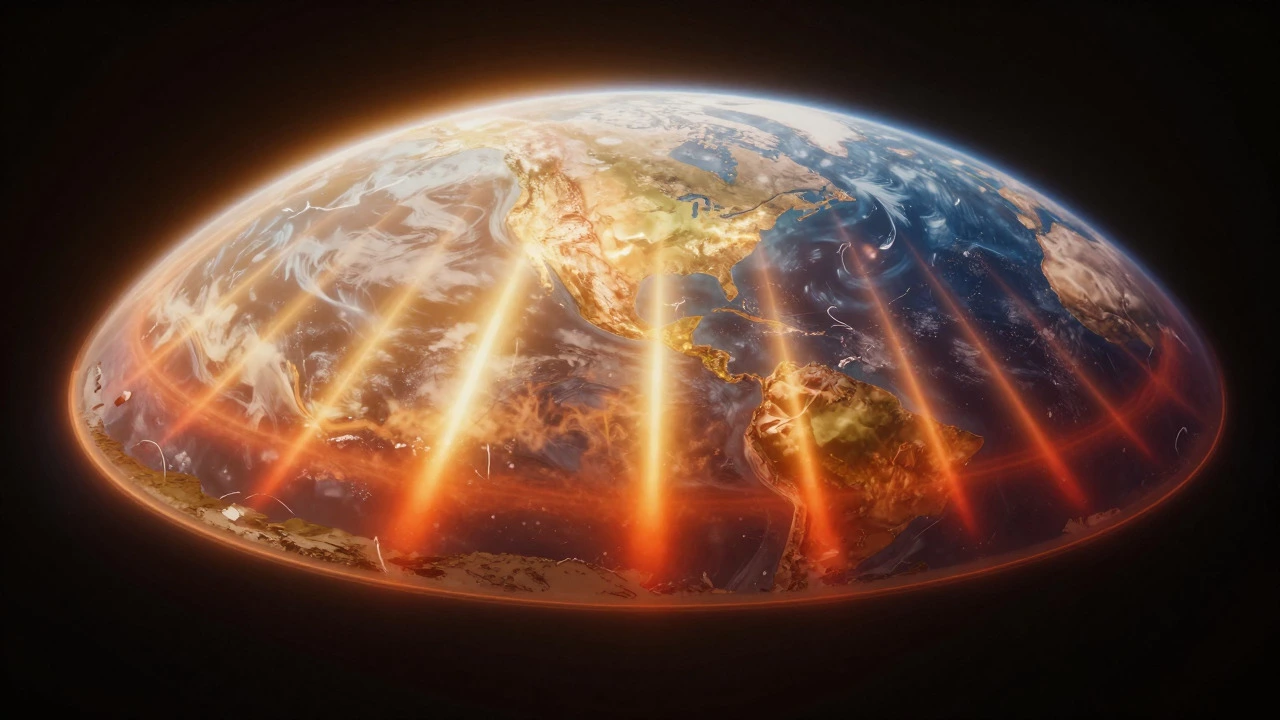
The greenhouse effect is a natural process where gases in the atmosphere trap heat from the sun, keeping Earth warm enough to support life. Without it, our average temperature would drop to about -18°C (0°F) instead of the current comfortable 15°C (59°F). However, human activities have intensified this effect, leading to rising global temperatures known as global warming.
How the Greenhouse Effect Actually Works
To understand why this matters, you need to look at the energy flow between the Sun and Earth. It’s not magic; it’s physics.
- Solar Radiation Hits Earth: Shortwave radiation from the Sun passes through the atmosphere and warms the surface.
- Earth Radiates Heat: The warmed ground emits longwave infrared radiation back toward space.
- Gases Trap Heat: Certain gases, called greenhouse gases, absorb this outgoing heat and re-emit it in all directions, including back down to the surface.
- Temperature Rises: This extra layer of heat keeps the lower atmosphere warmer than it would be otherwise.
This cycle has been happening for billions of years. What has changed recently is the concentration of these gases. Before the Industrial Revolution, the balance was stable. Today, we are adding more gas to the mix than nature can handle.
The Main Players: Greenhouse Gases
Not all gases contribute equally to trapping heat. Some are abundant but weak, while others are rare but incredibly powerful. Here are the key players you should know:
| Gas | Source | Lifespan in Atmosphere | Warming Potential (Relative to CO2) |
|---|---|---|---|
| Carbon Dioxide (CO2) | Burning fossil fuels, deforestation | 300-1,000+ years | 1 (Baseline) |
| Methane (CH4) | Agriculture, landfills, oil/gas leaks | ~12 years | 28-36 times stronger |
| Nitrous Oxide (N2O) | Fertilizers, industrial processes | ~116 years | 265-298 times stronger |
| Water Vapor (H2O) | Natural evaporation | Days to weeks | Variable (feedback loop) |
Notice that water vapor is listed last. While it is the most abundant greenhouse gas, we don't usually blame it directly for climate change. Instead, water vapor acts as a feedback mechanism. As the planet warms due to CO2, more water evaporates, which traps even more heat. It amplifies the initial warming rather than starting it.
Natural vs. Enhanced Greenhouse Effect
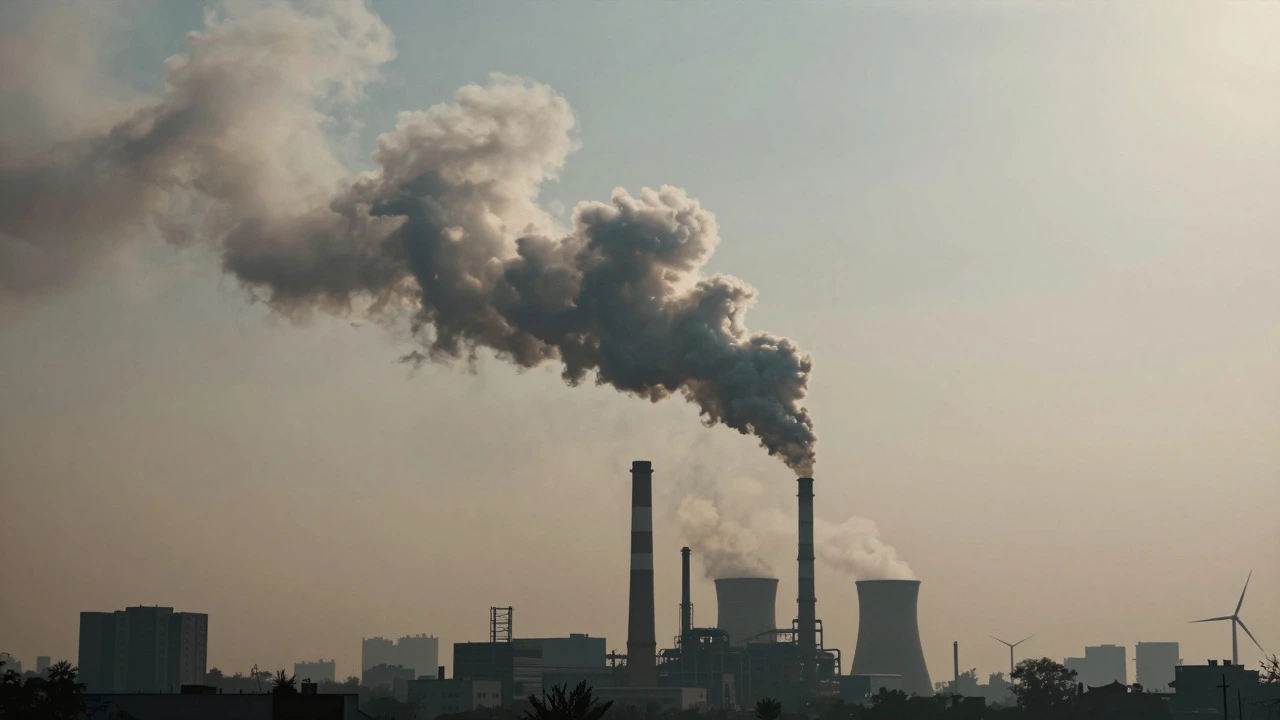
It is crucial to distinguish between the natural greenhouse effect and the enhanced version caused by humans. The natural effect is a feature, not a bug. It makes Earth habitable. Mars, for example, has a thin atmosphere and no significant greenhouse effect, making it a frozen desert despite being closer to the Sun than Venus.
The problem arises when we disrupt the equilibrium. Since 1750, atmospheric CO2 levels have jumped from about 280 parts per million (ppm) to over 420 ppm today. This might sound like a small number, but in atmospheric science, it represents a massive shift in energy balance. We are effectively adding a thicker blanket to the planet without giving it time to adjust.
Why Should You Care? Real-World Impacts
You might think, "So what if it gets a few degrees warmer?" A few degrees sounds minor until you consider how sensitive ecosystems are to temperature changes. Even a 1.5°C increase can trigger tipping points that are hard to reverse.
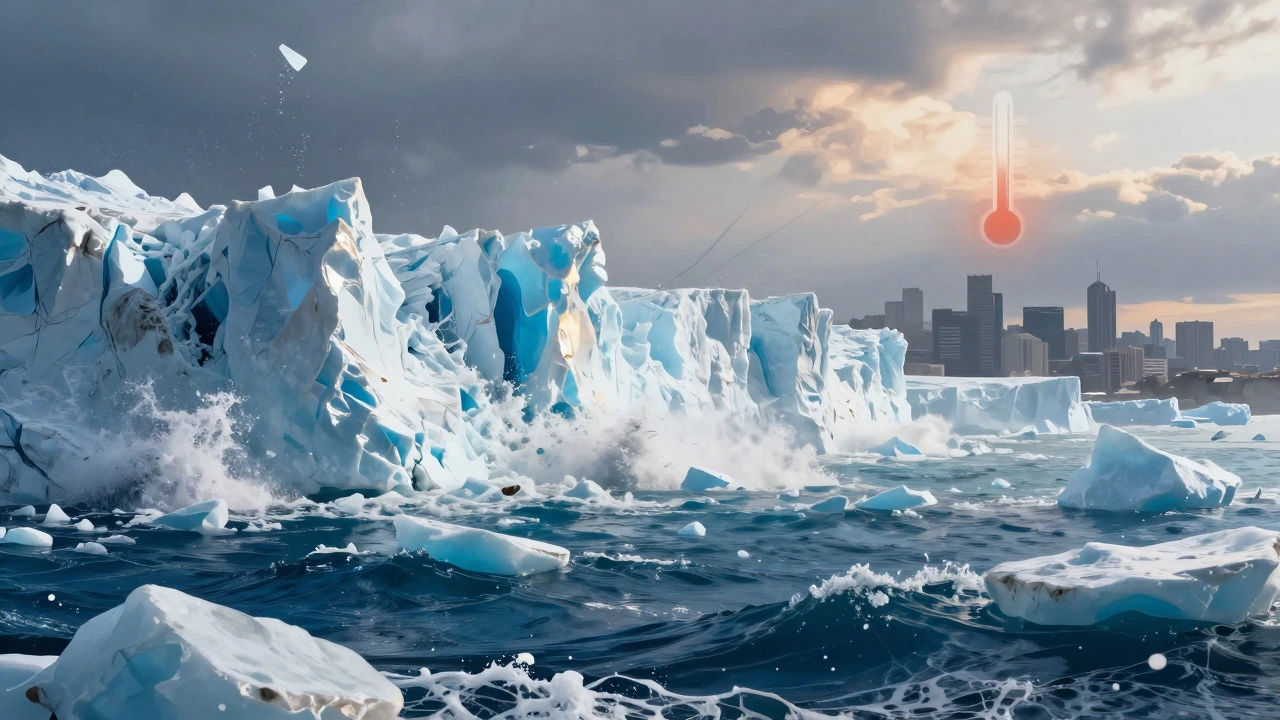
- Melting Ice Caps: Warmer oceans melt sea ice, reducing the Earth's albedo (reflectivity). Darker ocean water absorbs more heat, accelerating warming.
- Extreme Weather: Hotter air holds more moisture, leading to heavier rainfall and more intense hurricanes.
- Rising Sea Levels: Thermal expansion of seawater plus melting glaciers threaten coastal cities worldwide.
These aren't distant future problems. They are already affecting insurance premiums, crop yields, and migration patterns around the globe.
Common Myths About the Greenhouse Effect
Misinformation spreads fast. Let’s clear up a few common misconceptions.
Myth 1: CFCs are still the main culprit. While chlorofluorocarbons (CFCs) were devastating to the ozone layer, they have been largely phased out since the Montreal Protocol in 1987. Today, CO2 and methane are the primary drivers of warming.
Myth 2: More clouds mean more cooling. Clouds do reflect sunlight, which cools the planet. But low, thick clouds also trap heat from below. The net effect is complex, but currently, the warming influence of greenhouse gases outweighs any potential cooling from increased cloud cover.
Myth 3: It’s just a natural cycle. Yes, Earth has gone through ice ages and warm periods before. But those cycles took thousands or millions of years. The current rate of change is unprecedented in the geological record, happening in mere decades.
What Can Be Done?
Understanding the mechanism gives us the tools to fix it. Since we know exactly which gases are causing the issue, the solution involves reducing emissions and enhancing natural sinks.
- Transition Energy Sources: Shifting from coal and oil to renewable energy reduces CO2 output significantly.
- Protect Forests: Trees absorb CO2. Deforestation releases stored carbon back into the air.
- Improve Agriculture: Reducing livestock emissions and optimizing fertilizer use lowers methane and nitrous oxide levels.
- Carbon Capture: Developing technology to pull CO2 directly from the air can help offset remaining emissions.
The science is clear. The greenhouse effect is a fundamental part of our planet's design. The challenge isn't stopping the effect-it's managing the intensity so it remains within limits that allow human civilization and biodiversity to thrive.
Is the greenhouse effect bad?
No, the natural greenhouse effect is essential for life on Earth. Without it, the planet would be too cold for liquid water. The problem is the *enhanced* greenhouse effect caused by excessive human emissions of gases like CO2 and methane, which leads to dangerous global warming.
What is the strongest greenhouse gas?
In terms of warming potential per molecule, fluorinated gases used in industry are the strongest. However, in terms of total impact on the climate, Carbon Dioxide (CO2) is the most significant because of its high concentration and long lifespan in the atmosphere. Methane is the second most important driver of recent warming.
How does the greenhouse effect differ from the ozone hole?
They are two different issues. The greenhouse effect relates to heat retention and global warming, primarily driven by CO2. The ozone hole is a depletion of the ozone layer in the stratosphere, which protects us from UV radiation, primarily caused by CFCs. While related, fixing one doesn't automatically fix the other.
Can we stop the greenhouse effect completely?
We shouldn't try to stop it completely, as we would freeze the planet. The goal is to stabilize the *enhanced* portion of the effect by reducing emissions to net-zero, allowing the natural balance to restore itself over time.
Does water vapor cause climate change?
Indirectly, yes. Water vapor is the most abundant greenhouse gas, but its concentration is controlled by temperature. As CO2 warms the planet, more water evaporates, creating a positive feedback loop that amplifies the initial warming caused by human emissions.