The Four Types of Biotechnology: Red, Green, White, and Blue Explained
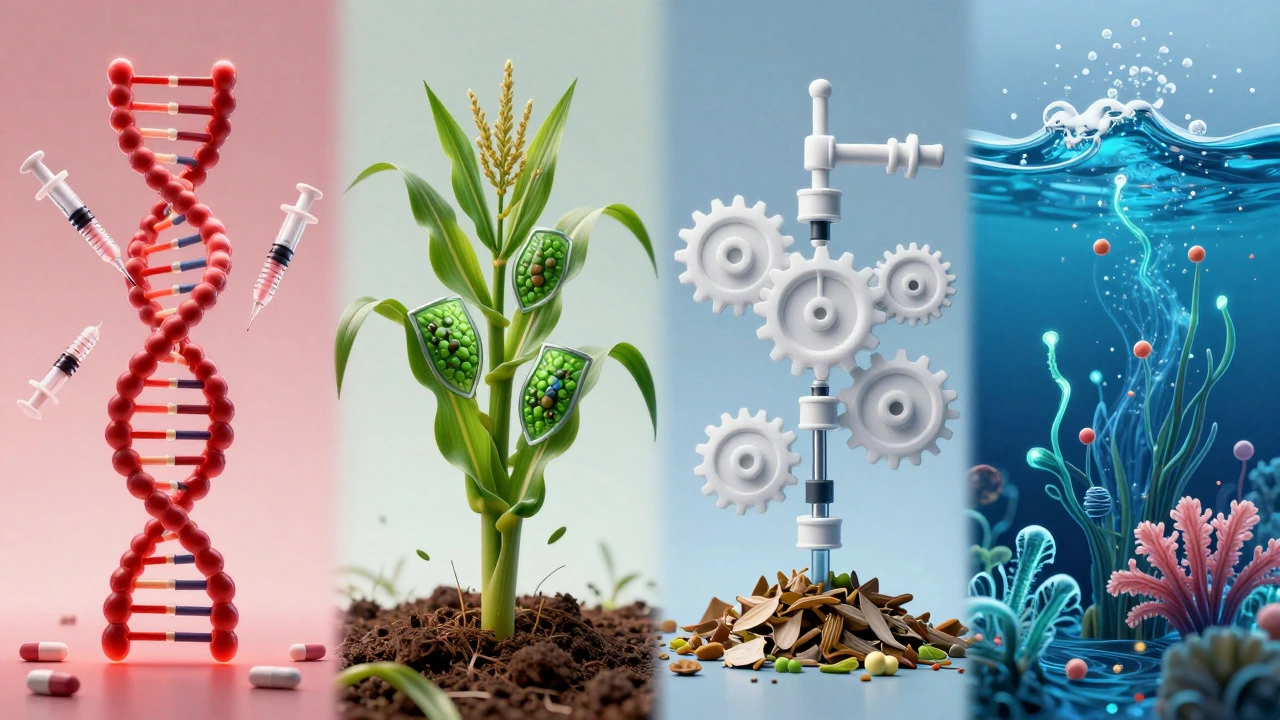 Jul, 24 2026
Biotechnology Color Explorer
Discover how the four types of biotechnology impact healthcare, agriculture, industry, and marine life.
Red Biotech
Medicine & Health
Green Biotech
Agriculture
White Biotech
Industry & Manufacturing
Blue Biotech
Marine Resources
Primary Focus
Key Applications
Environmental Impact
Real-World Example
Most people think of biotechnology as something that happens in a sterile lab with scientists in white coats. But the truth is, you have probably used biotechnology today without even realizing it. The bread on your table? That’s fermentation. The insulin in your medicine cabinet? That’s genetic engineering. The biofuel in your car? That’s industrial processing.
Biotechnology isn’t just one thing. It is a massive field divided into four distinct categories based on what they produce and how they are used. These are commonly known by their colors: Red, Green, White, and Blue. Understanding these four types helps us see how biology is reshaping every part of our lives, from healthcare to agriculture, industry, and marine conservation.
Red Biotechnology: Revolutionizing Healthcare
Red biotechnology focuses on medical applications. This is the sector most people associate with high-tech science because it deals directly with human health. It covers everything from developing new drugs to creating artificial organs and gene therapies.
The biggest breakthrough here is recombinant DNA technology. Instead of extracting insulin from the pancreases of slaughtered cows and pigs-a process that was expensive and caused allergic reactions in some patients-scientists now insert the human insulin gene into bacteria like E. coli. These bacteria act as tiny factories, producing pure human insulin that we can harvest. This single innovation saved millions of diabetics from relying on animal-derived products.
Red biotechnology also drives the development of vaccines. Think about the mRNA vaccines developed during recent global health crises. Those rely on understanding how cells read genetic instructions to build proteins. By tweaking those instructions, scientists can train our immune systems to fight viruses before they cause serious damage.
- Gene Therapy: Correcting defective genes at the molecular level to treat disease.
- Monoclonal Antibodies: Lab-made molecules engineered to serve as substitute antibodies that can restore, modify, or mimic the immune system's attack on cancer cells.
- Tissue Engineering: Growing replacement tissues or organs in the lab using patient cells to avoid rejection.
The goal of red biotechnology is simple: extend life and improve its quality. As we move further into personalized medicine, treatments will be tailored to an individual’s genetic makeup, making therapies more effective and side effects less severe.
Green Biotechnology: Feeding the World Sustainably
If red biotechnology heals humans, green biotechnology feeds them. This branch applies biological processes to agricultural practices. With the global population projected to reach nearly 10 billion by 2050, traditional farming methods are struggling to keep up. Green biotechnology offers solutions to increase crop yields while reducing environmental impact.
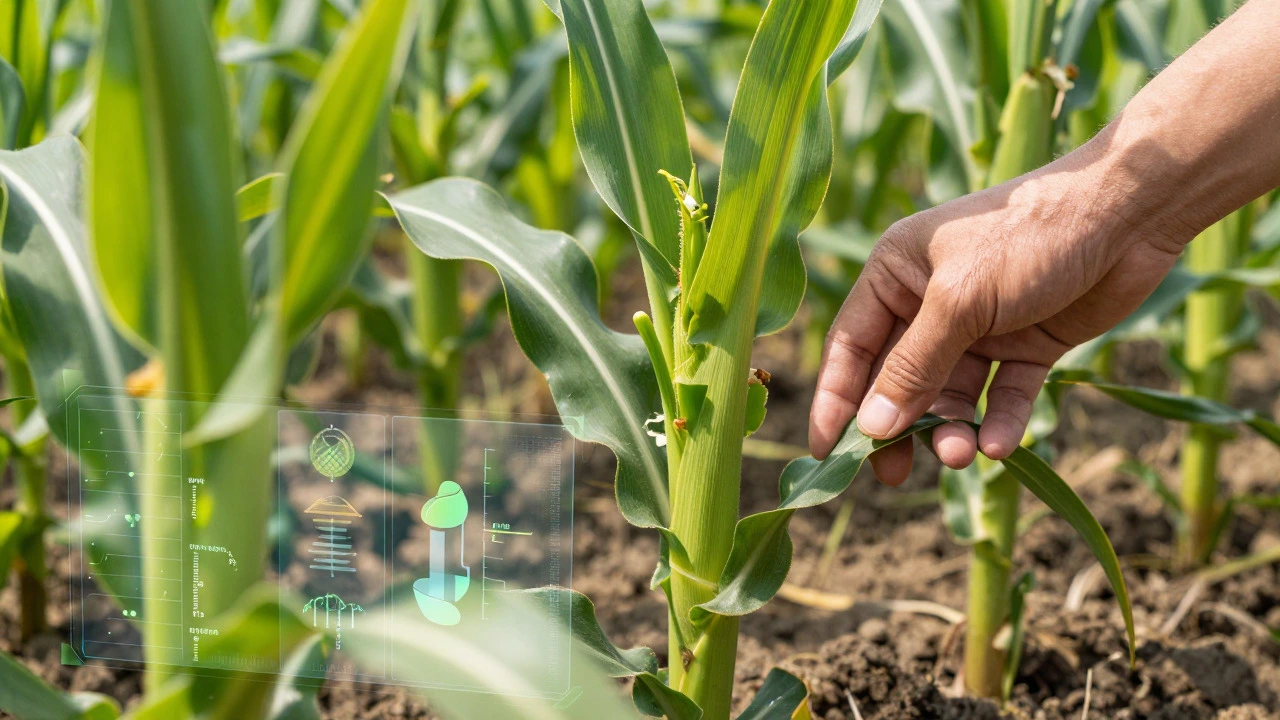
The most famous example is Genetically Modified Organisms (GMOs). Critics often fear GMOs, but the technology itself is neutral-it’s how we use it that matters. For instance, Bt corn has been engineered to produce a protein that is toxic to specific pests like the corn borer. This means farmers need to spray fewer chemical pesticides. Less pesticide runoff leads to cleaner waterways and healthier soil ecosystems.
Beyond pest resistance, green biotechnology helps crops withstand harsh conditions. Drought-tolerant maize varieties have been developed for regions in Africa where rainfall is unpredictable. Salt-tolerant rice strains allow farmers in coastal areas to grow food even when sea levels rise and saltwater intrudes into farmland.
Nitrogen fixation is another key area. Plants need nitrogen to grow, but synthetic fertilizers are energy-intensive to produce and pollute water sources. Scientists are working on engineering crops that can fix nitrogen from the air themselves, similar to legumes. If successful, this could drastically reduce the need for synthetic fertilizers.
White Biotechnology: The Industrial Clean-Up Crew
White biotechnology, also known as industrial biotechnology, uses living cells to manufacture goods and chemicals. Unlike red and green biotech, which focus on health and food, white biotech focuses on production efficiency and environmental sustainability in manufacturing.
Traditionally, industries relied on petroleum-based chemicals and high-temperature processes that consumed huge amounts of energy. White biotechnology replaces these with enzymes and microorganisms that work at lower temperatures and pressures. Enzymes are biological catalysts that speed up chemical reactions without being consumed in the process.
Consider the laundry detergent aisle. Modern detergents contain enzymes like proteases and lipases that break down protein stains and fats. These enzymes allow you to wash clothes in cold water, saving significant energy compared to hot water cycles. This is white biotechnology in action-making everyday products more efficient.
In the textile industry, enzymes replace harsh chemicals in denim processing. Stone washing jeans used to involve pumice stones and strong acids. Now, cellulase enzymes do the job, creating a worn look without damaging the fabric or polluting wastewater.
Perhaps the most promising application is biofuels. Second-generation biofuels use non-food biomass like agricultural waste (corn stalks, wood chips) to produce ethanol or biodiesel. Microbes break down the tough plant fibers into sugars, which are then fermented into fuel. This provides a renewable alternative to fossil fuels without competing with food supplies.
Blue Biotechnology: Tapping Into the Ocean’s Potential
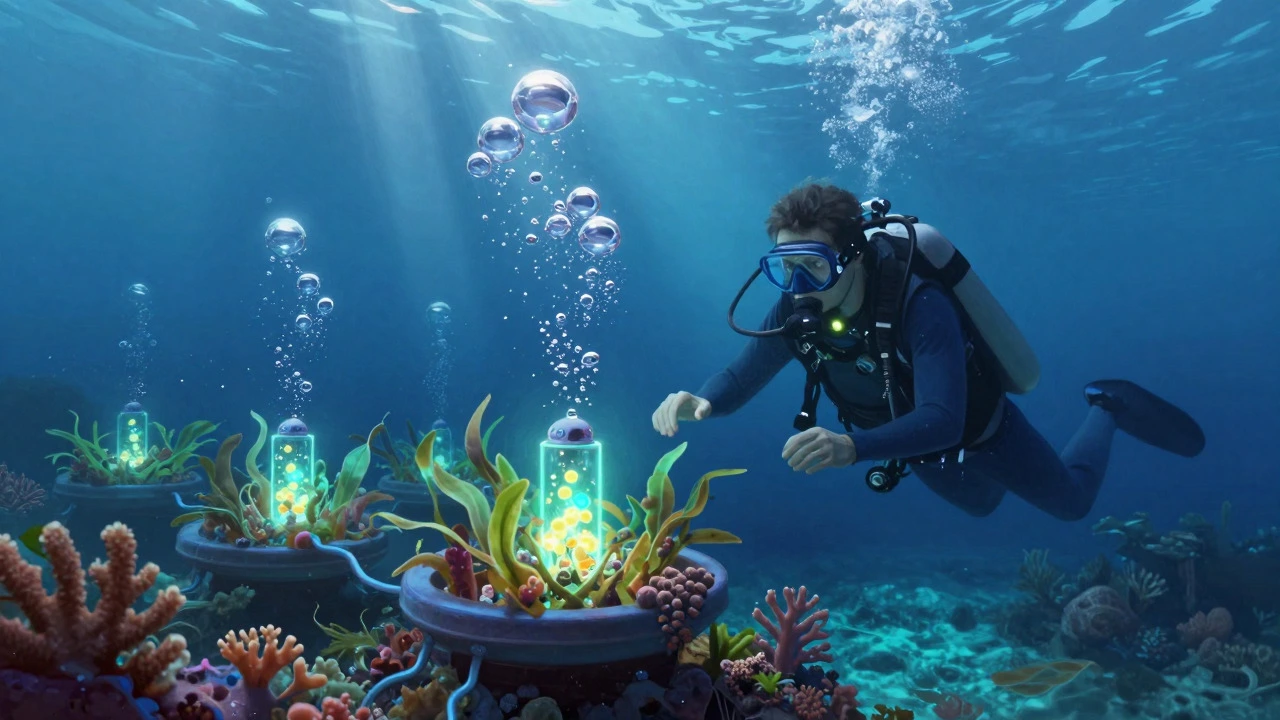
Blue biotechnology is the newest and least understood of the four types. It focuses on marine and aquatic resources. The ocean covers over 70% of the Earth’s surface, yet we have explored less than 5% of it. This vast, uncharted territory holds immense potential for new drugs, materials, and foods.
Marine organisms have evolved unique survival mechanisms in extreme environments-high pressure, low light, and varying salinity. These adaptations result in novel biochemical compounds. For example, certain sponges and corals produce substances that have anti-cancer and anti-inflammatory properties. Researchers are isolating these compounds to develop new pharmaceuticals.
Aquaculture is another major component of blue biotechnology. As wild fish stocks decline due to overfishing, farming fish and shellfish becomes essential. Blue biotech improves aquaculture by developing disease-resistant fish breeds, optimizing feed formulations, and monitoring water quality to prevent algal blooms.
Bioplastics derived from algae are gaining traction too. Algae grow rapidly and can absorb carbon dioxide from the atmosphere. Scientists are engineering algae strains to produce high volumes of lipids (oils) that can be converted into biodegradable plastics. This reduces our dependence on petroleum-based plastics and helps clean up the carbon footprint.
| Type | Primary Focus | Key Applications | Environmental Impact |
|---|---|---|---|
| Red | Medicine & Health | Vaccines, Gene Therapy, Insulin Production | High (Requires sterile labs, specialized waste disposal) |
| Green | Agriculture | GMO Crops, Bio-fertilizers, Pest Resistance | Mixed (Can reduce pesticide use, but biodiversity concerns exist) |
| White | Industry & Manufacturing | Biofuels, Enzymatic Detergents, Bioplastics | Positive (Reduces reliance on fossil fuels and harsh chemicals) |
| Blue | Marine Resources | Aquaculture, Marine Drugs, Algae Biofuels | Positive (Sustainable harvesting, carbon capture via algae) |
Why Color-Coding Matters
You might wonder why we categorize biotechnology by color. It’s not just for marketing. Each color represents a different set of challenges, regulations, and ethical considerations.
Red biotechnology faces strict regulatory hurdles because it involves human safety. A mistake in drug manufacturing can be fatal. Green biotechnology deals with public perception and ecological balance. Introducing a new crop species must not disrupt local ecosystems. White biotechnology is driven by economics; if the biological process isn’t cheaper or faster than the chemical one, industries won’t adopt it. Blue biotechnology struggles with accessibility; studying deep-sea organisms requires expensive equipment and logistics.
Understanding these distinctions helps policymakers create appropriate regulations. It also helps investors know where to put their money. For instance, if you believe climate change is the biggest threat, white and blue biotechnologies offer direct solutions through carbon capture and renewable materials. If you are concerned about aging populations, red biotechnology is the key to extending healthy lifespans.
The Future: Convergence of Colors
The lines between these four types are blurring. We are moving toward a convergent future where technologies overlap. Synthetic biology, for example, allows scientists to design biological parts and devices that don’t exist in nature. This toolset applies to all four colors.
Imagine a bacterium engineered to eat plastic waste (white biotech) while producing a compound that treats arthritis (red biotech). Or algae farms (blue biotech) that sequester carbon and produce oil for biofuel (white biotech) while providing habitat for marine life. These integrated approaches will define the next generation of biotechnological advancements.
As we face global challenges like climate change, resource scarcity, and pandemics, biotechnology offers tools to address them. But we must use these tools wisely. The four types of biotechnology are not just scientific categories; they are pathways to a sustainable future. Whether it’s healing our bodies, feeding our families, cleaning our industries, or protecting our oceans, biotechnology is already here, and it’s only getting started.
What is the difference between red and green biotechnology?
Red biotechnology focuses on medical applications for human health, such as drug development and gene therapy. Green biotechnology focuses on agricultural applications, such as improving crop yields and developing pest-resistant plants. While both use genetic engineering, their end goals differ: one heals humans, the other feeds them.
Is white biotechnology environmentally friendly?
Generally, yes. White biotechnology aims to replace harsh chemical processes with biological ones that operate at lower temperatures and pressures. This reduces energy consumption and pollution. Examples include enzymatic detergents that work in cold water and biofuels made from agricultural waste instead of petroleum.
What are some examples of blue biotechnology?
Blue biotechnology involves marine resources. Examples include developing new medicines from sponge extracts, improving aquaculture techniques to farm fish sustainably, and using algae to produce biodegradable plastics or biofuels. It also includes efforts to monitor and protect marine ecosystems.
Why is biotechnology divided into colors?
The color coding is a convenient way to categorize the diverse applications of biotechnology based on their primary sector. Red stands for medicine, green for agriculture, white for industrial processes, and blue for marine/aquatic applications. This helps researchers, regulators, and investors understand the specific context and implications of each field.
How does recombinant DNA technology relate to these types?
Recombinant DNA technology is a fundamental tool used across all four types. In red biotech, it creates insulin-producing bacteria. In green biotech, it creates pest-resistant crops. In white biotech, it creates enzymes for industrial use. In blue biotech, it can enhance algae growth or fish disease resistance. It is the underlying method that enables modern biotechnology.