Sea Level Rise 2100: What Science Says About the Future of Coastal Cities
By 2100, sea level rise, the increase in the average level of the world’s oceans due to melting ice and warming water. Also known as ocean rise, it’s no longer a distant threat—it’s already reshaping coastlines from Miami to Mumbai. If we keep burning fossil fuels at today’s rate, global sea levels could climb between 0.6 and 1.1 meters (2 to 3.6 feet). That’s enough to flood the homes of over 200 million people worldwide. And it’s not just about water—it’s about lost land, broken economies, and entire communities forced to move.
This isn’t just about polar ice melting. global warming, the long-term heating of Earth’s climate system is the engine behind it. Warmer air melts glaciers in Greenland and Antarctica faster than ever. At the same time, seawater expands as it heats up—just like how a thermometer rises when it gets hot. Together, these two forces are pushing oceans higher. And the worst part? Even if we stopped all emissions tomorrow, sea levels would still keep rising for decades because the ocean stores heat like a slow-moving engine.
coastal flooding, the permanent or temporary inundation of low-lying land near the sea is already happening during high tides in places like Jakarta, Lagos, and Venice. By 2100, some islands in the Pacific could vanish entirely. Major cities like New York, Shanghai, and Kolkata face billions in damages from storm surges and chronic flooding. Infrastructure built for a 20th-century climate won’t survive the 21st.
But here’s the truth: we’re not powerless. The difference between 0.6 meters and 1.1 meters of rise by 2100 depends on what we do now. Stronger climate policies, faster renewable energy shifts, and protecting natural barriers like mangroves and wetlands can cut the worst-case scenarios in half. It’s not about stopping sea level rise entirely—it’s about controlling how bad it gets.
Below, you’ll find real science from Indian researchers and global studies that break down what’s happening, who’s most at risk, and what solutions are already working. No guesswork. No hype. Just facts from the front lines of climate science.
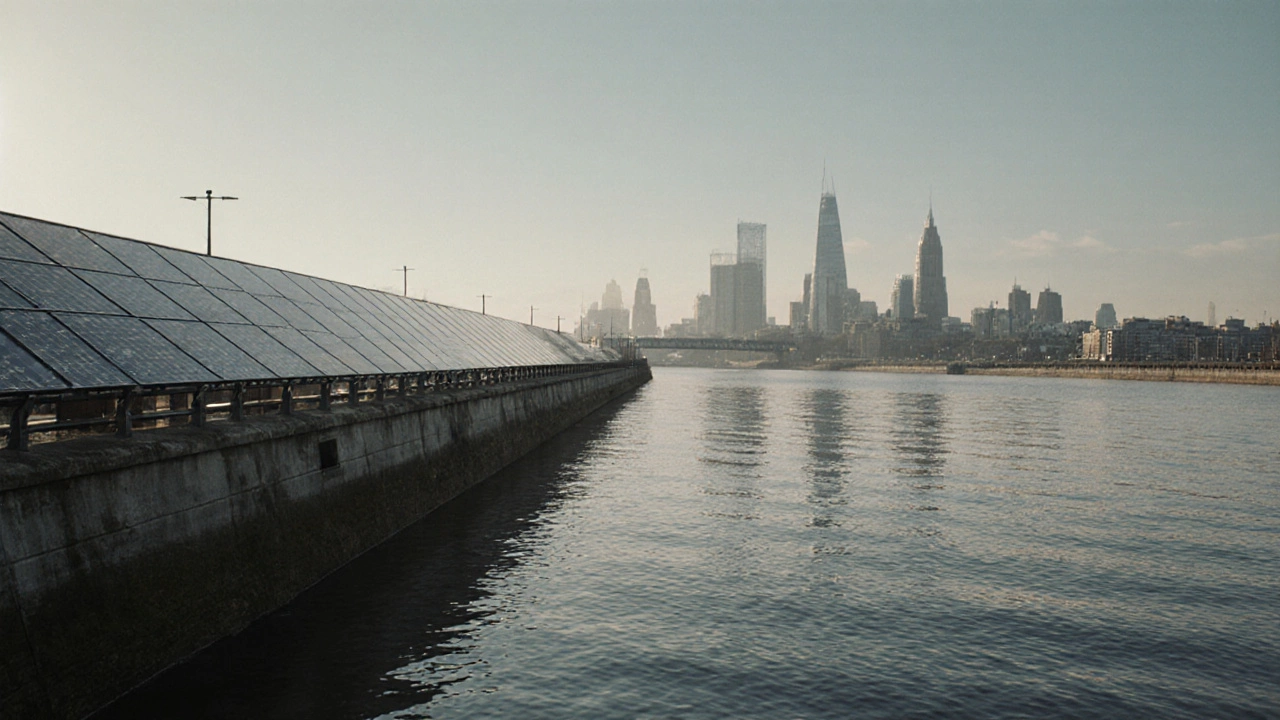
World in 2100: Climate Change Impacts & Future Outlook
Oct, 16 2025
Explore credible climate projections for 2100, covering temperature rise, sea level, extreme weather, food security, migration and pathways to a livable future.
Read Article→