Science Mistakes: Common Errors, Misconceptions, and How to Avoid Them
When we talk about science mistakes, errors in research, misinterpretations of data, or flawed assumptions that lead to public confusion. Also known as scientific misconceptions, these aren’t just blunders—they’re lessons in how science actually works. Science doesn’t fail when it gets something wrong. It succeeds when it finds out it was wrong and fixes it. That’s how we got from flat Earth theories to CRISPR. But the public often sees these corrections as weakness, not strength.
Take AI, a computational system that simulates human-like decision-making using data and algorithms. Also known as artificial intelligence, it’s not a living thing, but people keep treating it like one. Some think AI is biotechnology because it’s used in labs. It’s not. AI is a tool, like a microscope or a spreadsheet. It doesn’t grow cells—it analyzes them. And when people mix up AI with biotech, they start believing AI can cure cancer on its own. That’s a mistake. Real progress comes when AI helps human scientists work faster, not replaces them.
Then there’s nanoparticles, extremely small particles, often between 1 and 100 nanometers, used in medicine, food, and materials. Also known as nanoscale materials, they sound scary because of the word "nano." But nanoparticles aren’t magic toxins. They’re everywhere—in salt, in smoke, in your own blood. The panic around nanoparticles in soda? Unfounded. Coke and Pepsi don’t add them. Any tiny particles in caramel color are natural, not engineered. The real danger? Sugar. But because science mistakes like this get amplified, people mistrust science itself.
Even climate science gets twisted. People ask, "Is it too late to reverse climate change?" as if we’re trying to rewind a video. We can’t undo what’s already happened. But we can stop it from getting worse. That’s not a failure—it’s the whole point of science. The mistake isn’t in the data. It’s in the story we tell: that if we can’t fix everything, we should do nothing. That’s not science. That’s surrender.
These aren’t random errors. They’re patterns. People confuse tools with living systems. They fear what they don’t understand. They assume complexity means danger. And when experts correct these misunderstandings, the public often hears "I was wrong" instead of "Here’s what we now know."
What You’ll Find Here
This collection doesn’t just list science mistakes—it shows you how they happen, why they stick, and how real scientists fix them. You’ll see how AI got misunderstood in banking, how nanoparticles were wrongly blamed in soft drinks, and why the idea that space is infinite isn’t just a guess—it’s based on measurable data. You’ll find out why female astronauts don’t wear bras in space (and what they wear instead), and how the biggest health problem in the U.S. isn’t tech—it’s food and inequality.
These aren’t just stories. They’re case studies in how science corrects itself. And if you’ve ever felt confused by headlines, overwhelmed by jargon, or unsure what to believe—this is your guide to cutting through the noise.
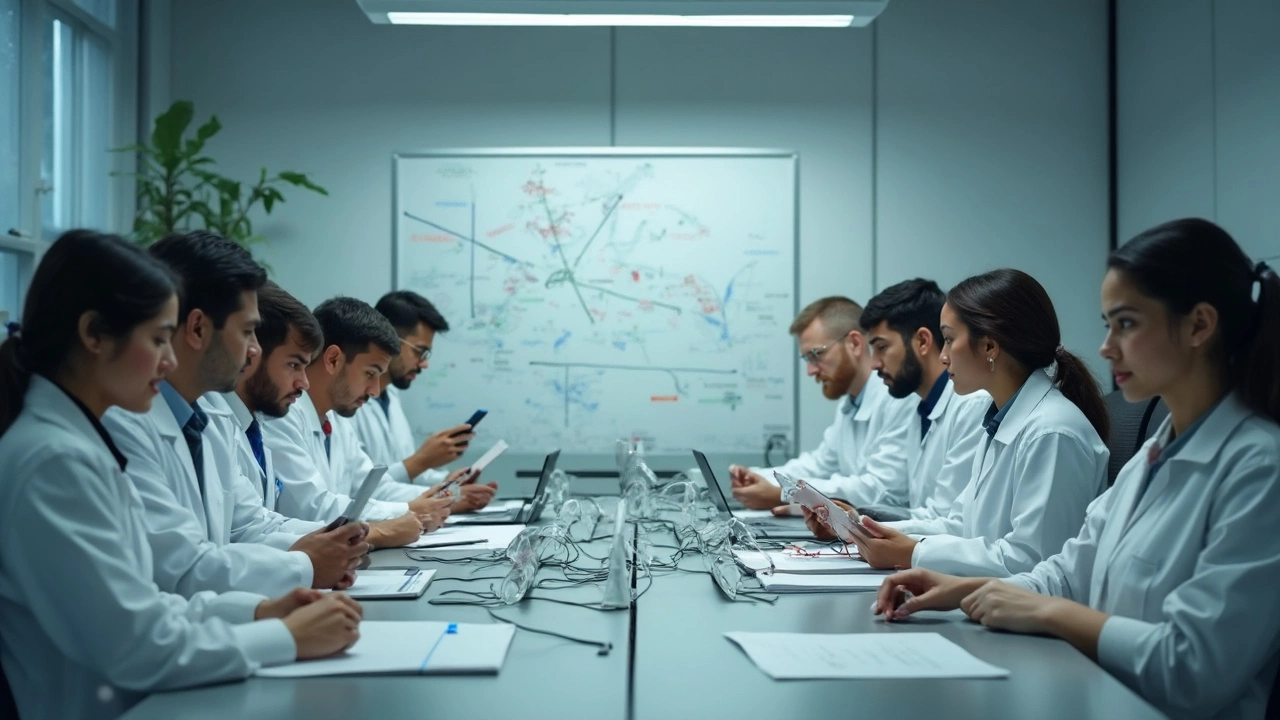
Poor Collaboration in Science: What It Actually Looks Like
Jun, 13 2025
If you’ve ever wondered why some scientific projects fall apart, poor collaboration is almost always hiding in plain sight. This article points out the dead giveaways of bad teamwork in research—broken communication, mixed goals, missed deadlines, and even jealousy over credit. You’ll get the nitty-gritty details, real examples, and smart fixes that actually work in labs and research groups. Understanding these red flags saves time, money, and everyone’s sanity. A must-read for anyone in the science field tired of projects going sideways.
Read Article→