Pollution: Causes, Hidden Sources, and How Science Is Fighting Back
When we talk about pollution, the introduction of harmful substances into the environment that damage ecosystems and human health. Also known as environmental contamination, it's not just about factories or trash piles—it’s in the air we breathe, the water we drink, and even the food we eat. You might think of smoke from cars or plastic in oceans, but modern pollution is quieter, smaller, and harder to spot. Nanoparticles in soft drinks, emissions from so-called "clean" energy sources, and chemical runoff from farms are all part of the picture—and science is finally catching up.
Air pollution, a mix of gases and particles that degrade air quality and harm respiratory health doesn’t just come from coal plants. Biomass burning for cooking in rural homes and even large-scale hydropower projects release more pollutants than most people realize. Water pollution, the contamination of water bodies by industrial waste, agricultural runoff, or microplastics isn’t always visible. Tiny plastic fibers from synthetic clothes, pesticide residues in groundwater, and heavy metals from electronics leaching into soil are silently entering our food chain. And then there’s nanoparticle pollution, the unintended release of ultra-small particles that can penetrate cells and organs—found not just in industrial settings, but in everyday products like soft drinks and medicines. These aren’t sci-fi threats. They’re real, measurable, and being studied right now by Indian scientists.
What’s surprising is how much of this pollution is tied to solutions we thought were safe. Renewable energy isn’t always clean when you track its full lifecycle. Nanomedicine saves lives but leaves behind particles we don’t fully understand. Even efforts to reduce sugar in drinks can accidentally create new chemical byproducts. The real fight against pollution isn’t just about banning things—it’s about understanding systems, tracking hidden impacts, and redesigning how we make, use, and dispose of everything. Below, you’ll find clear breakdowns of what’s really happening—from the nanoparticles in your soda to the hidden emissions behind green energy—and how science is turning the tide.
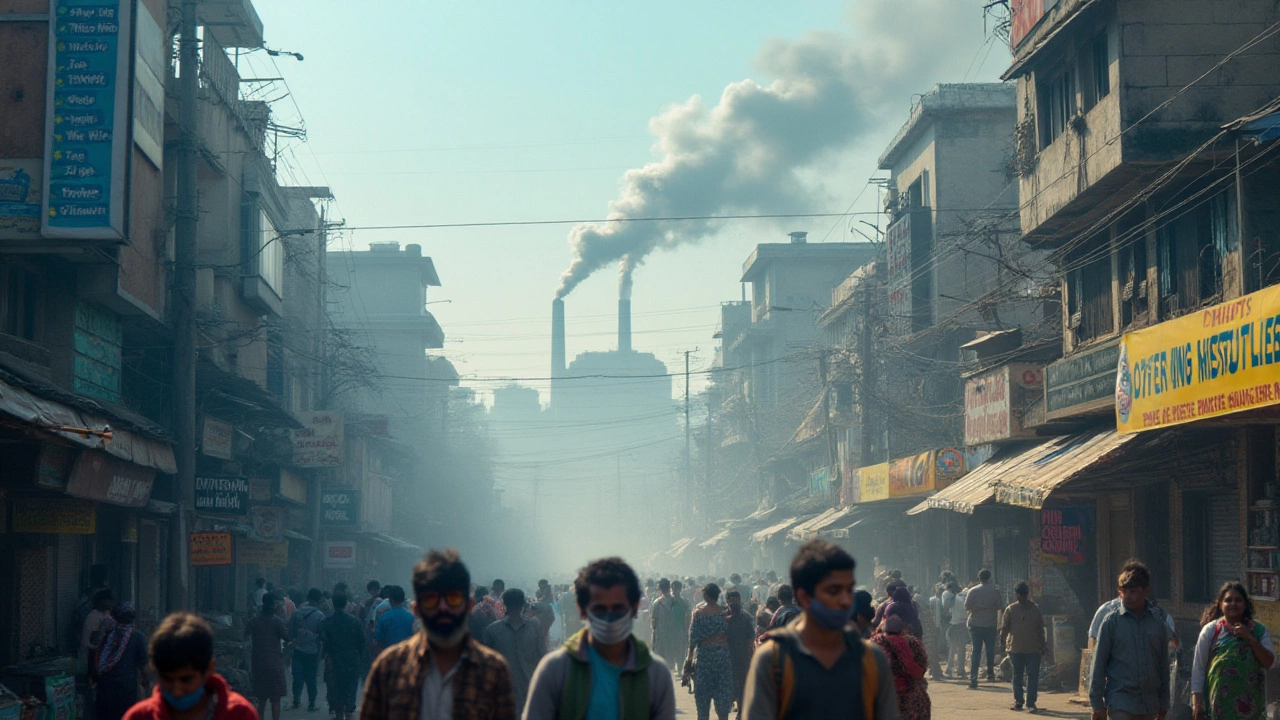
Top 3 Pressing Environmental Issues of 2025: Understanding Climate Challenges
Jan, 12 2025
As we find ourselves in 2025, understanding the urgent environmental challenges becomes crucial. The top environmental issues include climate change, pollution, and deforestation, each threatening ecosystems and human livelihoods. Climate change intensifies natural disasters and affects global food security, while pollution impacts air and water quality. Deforestation leads to habitat loss and exacerbates greenhouse gas emissions. Addressing these issues through sustainable practices is essential for ensuring a healthier planet.
Read Article→