Nanoparticle Drugs: How Tiny Particles Are Changing Medicine
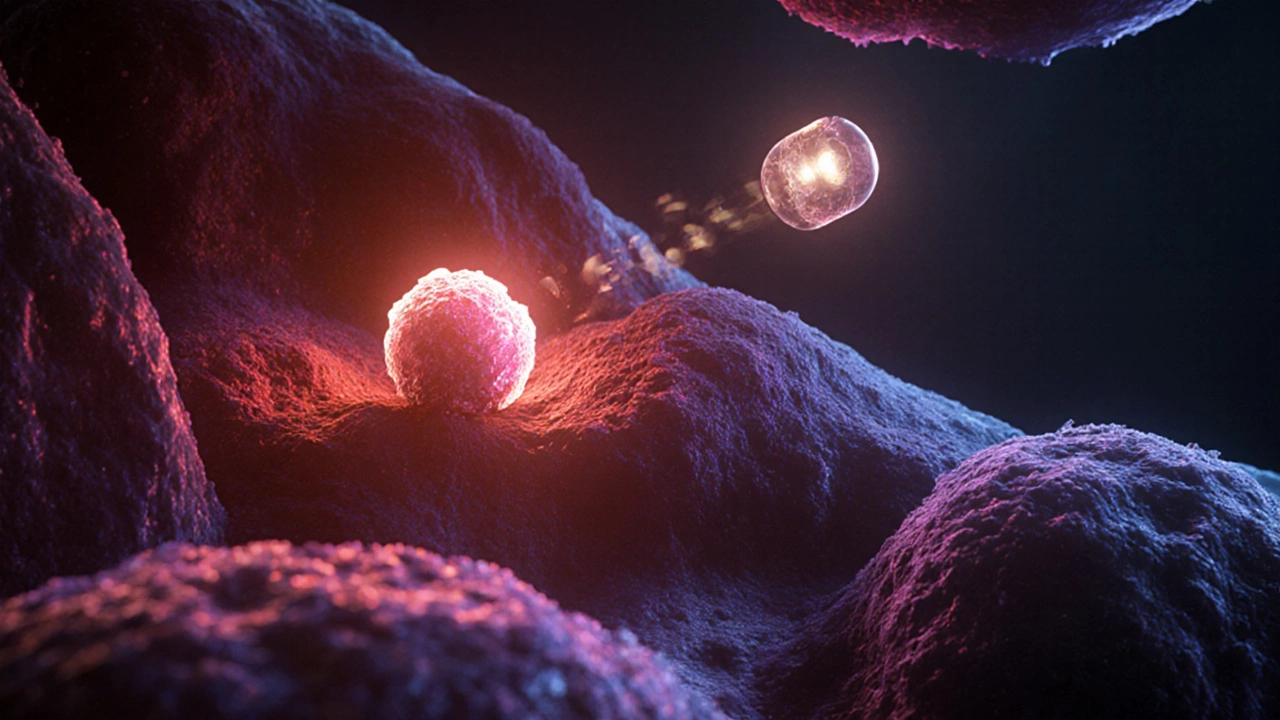
When you think of medicine, you probably imagine pills or injections. But a quieter revolution is happening at a scale you can’t see: nanoparticle drugs, tiny particles smaller than a virus that carry medicine directly to diseased cells. Also known as nanomedicine, they’re turning old treatments into precision tools. Instead of flooding your whole body with drugs, these particles deliver the dose exactly where it’s needed—like a GPS-guided missile for cancer cells or inflamed joints.
This isn’t science fiction. targeted therapy, a method that focuses treatment on specific cells while sparing healthy ones is now a reality in hospitals. For example, some nanoparticle drugs are already used to treat breast cancer, liver tumors, and even brain diseases that used to be nearly impossible to reach. They reduce side effects because less of the drug spills into your stomach, kidneys, or hair follicles. And unlike traditional pills that dissolve slowly and unevenly, nanoparticle drugs can be designed to release medicine only when they hit the right chemical environment—like a time-release capsule that only opens inside a tumor.
It’s not just about cancer. Scientists are using these particles to deliver vaccines more effectively, fight antibiotic-resistant infections, and even cross the blood-brain barrier to treat Alzheimer’s. drug delivery, the science of getting medicine where it needs to go in the body has been stuck in the same basic model for decades—until now. Nanoparticles are the upgrade we’ve been waiting for.
And while some worry about safety, the real concern isn’t the particles themselves—it’s whether companies are testing them properly. That’s why research matters. Posts in this collection dig into what’s real and what’s hype. You’ll find out why some soft drinks have harmless natural nanoparticles, how these particles are made, and which ones are already saving lives. You’ll also see how AI is helping design better ones, and why the biggest breakthroughs aren’t happening in labs alone—they’re happening because doctors, engineers, and patients are asking better questions.
What you’ll find here isn’t just theory. It’s the messy, exciting, sometimes surprising truth about how medicine is changing—one billionth of a meter at a time.
What Drugs Use Nanoparticles? A Clear Guide to Nanomedicine Today
Oct, 28 2025
Nanoparticle drugs like Doxil, Abraxane, and Onivyde deliver chemotherapy more precisely, reduce side effects, and treat hard-to-reach cancers. Learn which medications use nanotechnology and how they're changing modern medicine.
Read Article→