Nanomedicine: How Tiny Particles Are Revolutionizing Indian Healthcare
Nanomedicine, the use of particles smaller than 100 nanometers to diagnose, treat, and prevent disease. Also known as nanoscale medicine, it’s not science fiction—it’s already changing how drugs reach tumors, how infections are caught early, and how side effects are cut in half. In India, labs in Bangalore, Hyderabad, and Delhi are building nanoparticles that lock onto cancer cells like keys in locks, leaving healthy tissue untouched. This isn’t about bigger machines or stronger chemicals—it’s about precision.
These particles aren’t magic. They’re made from materials like gold, lipids, or polymers, designed to carry drugs through the bloodstream without being eaten up by the immune system. One major breakthrough? nanoparticles, engineered structures that can deliver medicine directly to diseased cells. Unlike traditional pills that flood your whole body, nanoparticles can target only the bad cells. That means less nausea, fewer crashes, and better outcomes. And yes—this tech is being tested right now in Indian hospitals for lung cancer, brain tumors, and even tuberculosis.
It’s not just about treatment. drug delivery, the method of getting medicine into the body in the right way at the right time is being rewritten. Imagine a patch that releases insulin only when your blood sugar spikes, or a spray that delivers vaccines straight to your lungs. Indian scientists are developing exactly these tools, often at a fraction of the cost of Western equivalents. And because they’re built for local needs—like affordability and storage without refrigeration—they’re gaining real-world traction.
There’s a catch, though. Not all nanoparticles are safe. Some can build up in organs if they’re not designed right. That’s why research in India is now focused on biodegradable materials—particles that dissolve after doing their job. You’ll find posts here that break down the truth about nanoparticles in food, explain how AI helps design these tiny systems, and reveal which Indian institutions are leading the charge. This isn’t a distant future. It’s happening now—in labs, clinics, and in the lives of patients who are getting better because their treatment finally fits their body, not the other way around.
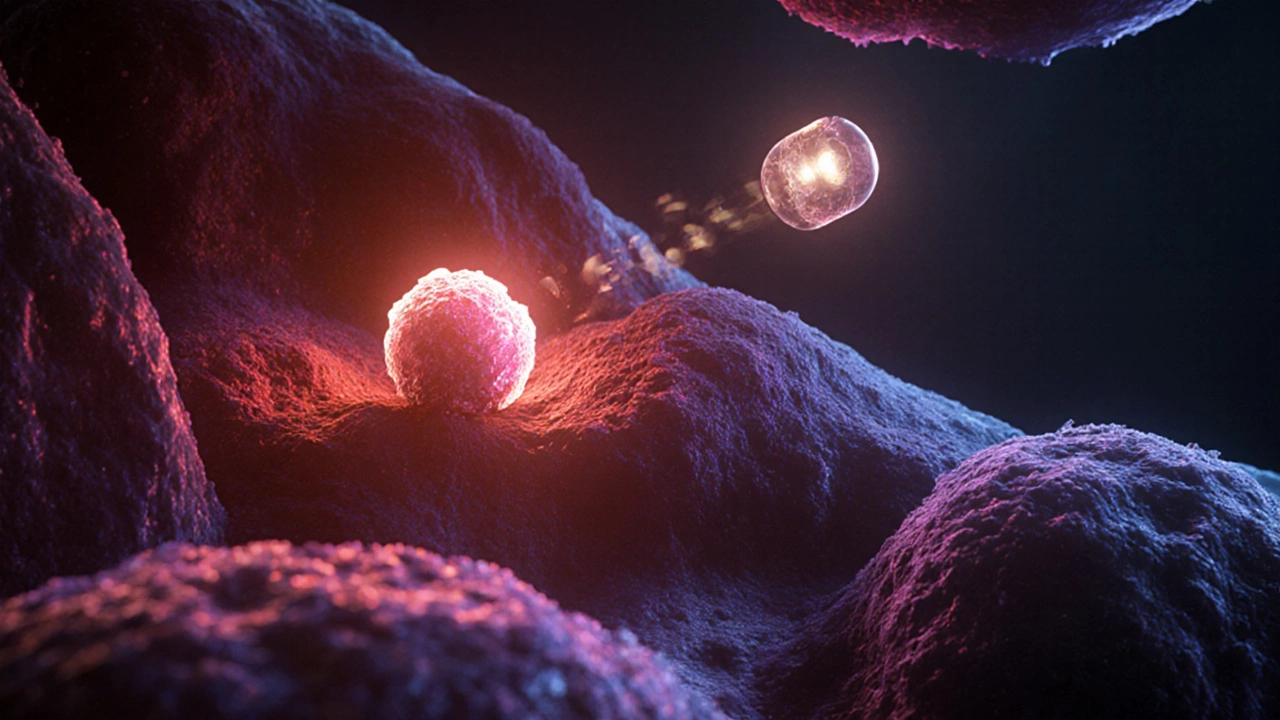
What Drugs Use Nanoparticles? A Clear Guide to Nanomedicine Today
Oct, 28 2025
Nanoparticle drugs like Doxil, Abraxane, and Onivyde deliver chemotherapy more precisely, reduce side effects, and treat hard-to-reach cancers. Learn which medications use nanotechnology and how they're changing modern medicine.
Read Article→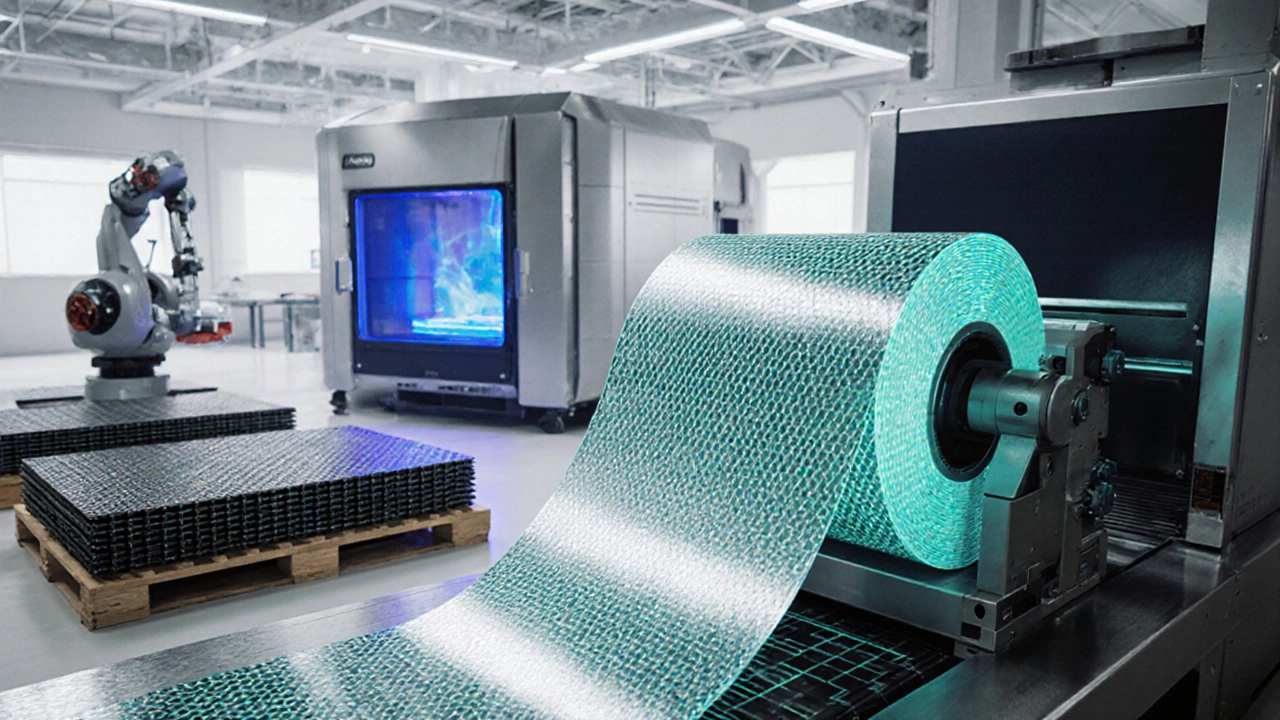
Current State of Nanotechnology in 2025 - How Advanced Is It?
Oct, 8 2025
Explore how advanced nanotechnology is in 2025, covering breakthroughs, key applications, manufacturing methods, challenges, and future outlook.
Read Article→