Nanomaterials: What They Are, How They're Used, and Why They Matter
When we talk about nanomaterials, materials engineered at the nanoscale—usually between 1 and 100 nanometers—to have unique physical, chemical, or biological properties. Also known as nanoscale materials, they’re not science fiction. They’re in your medicine, your food, and even your sunscreen. A single nanomaterial is thousands of times thinner than a human hair, but its power comes from how it behaves at that scale: it reacts differently, absorbs light differently, and can target cells precisely.
That’s why nanoparticles, a common type of nanomaterial that acts like a delivery truck for drugs or sensors. Also known as nanoscale particles, they’re the reason some cancer drugs now cause fewer side effects work. Drugs like Doxil and Abraxane use nanoparticles to sneak chemotherapy straight into tumors, avoiding healthy tissue. Meanwhile, in food, nanotechnology in food, the use of tiny particles to improve texture, shelf life, or nutrient delivery. Also known as food nanomaterials, they’re not always added on purpose—some show up naturally in caramel color, like in sodas. But that doesn’t mean they’re dangerous. The real issue in drinks isn’t nanoparticles—it’s sugar.
Nanomaterials aren’t just for medicine and snacks. They’re helping build stronger solar panels, cleaner water filters, and smarter sensors. But here’s the thing: just because something is small doesn’t mean it’s safe—or useful—by default. That’s why scientists are still figuring out how these materials behave in the body and environment. And that’s also why you’ll find posts here that cut through the hype: one breaks down which drugs actually use nanotech, another checks if your soda has engineered nanoparticles (it doesn’t), and others explore how this tech is changing healthcare without turning into a marketing buzzword.
What you’ll find below isn’t a list of futuristic predictions. It’s real, current, and grounded in what’s already happening. From cancer treatments to soft drink labels, nanomaterials are here—and they’re not going away. You just need to know where to look, what to ask, and what to ignore.
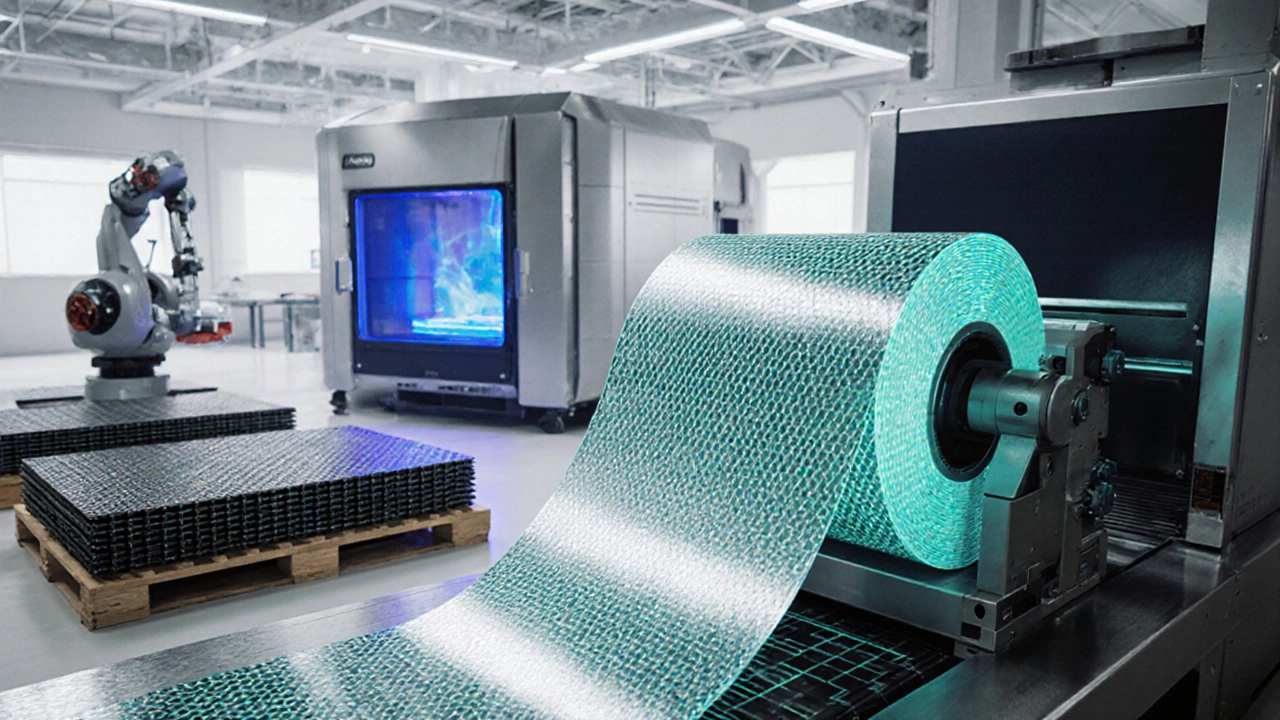
Current State of Nanotechnology in 2025 - How Advanced Is It?
Oct, 8 2025
Explore how advanced nanotechnology is in 2025, covering breakthroughs, key applications, manufacturing methods, challenges, and future outlook.
Read Article→