Health Monitoring: How Tech Is Changing the Way We Track Our Bodies
When you think of health monitoring, the continuous tracking of personal health metrics like heart rate, blood pressure, and glucose levels using digital tools. Also known as digital health, it's no longer just something hospitals do—it’s something you wear on your wrist, stick to your skin, or even sleep with. It’s not magic. It’s sensors. Tiny ones. Built into watches, patches, rings, and even underwear. These devices collect data—your pulse while you’re on the bus, your oxygen levels while you sleep, your stress spikes during a meeting—and turn them into insights you can actually use.
Behind this shift are wearable tech, electronic devices designed to be worn on the body to monitor health metrics. Also known as fitness trackers, they’ve moved past counting steps. Today’s wearables can detect irregular heart rhythms, predict potential asthma attacks, and even spot early signs of infection by tracking subtle changes in body temperature and skin conductance. In India, startups are building low-cost versions that work without high-end smartphones, making these tools available to rural clinics and everyday families. And it’s not just about fitness—it’s about catching problems before they become emergencies. Then there’s remote patient monitoring, the use of technology to collect medical and other health data from individuals in one location and electronically transmit it to healthcare providers in a different location. This is how a diabetic in Bihar can send daily glucose readings to a doctor in Bangalore, who adjusts their insulin dose without a single hospital visit. It’s saving time, reducing costs, and keeping people out of emergency rooms. These aren’t futuristic ideas. They’re already in use. In government pilot programs. In private clinics. In homes where people used to wait for symptoms to get worse before acting.
What you’ll find in the posts below isn’t just a list of gadgets. It’s the real stories behind how Indian researchers and engineers are solving local problems with health monitoring. You’ll see how nanoparticles are being used to track glucose without needles, how AI spots early signs of heart disease from simple voice recordings, and why some of the most powerful tools aren’t fancy at all—they’re just cheap, reliable, and built for India’s realities. This isn’t about tech for tech’s sake. It’s about giving people control over their own health—before it’s too late.
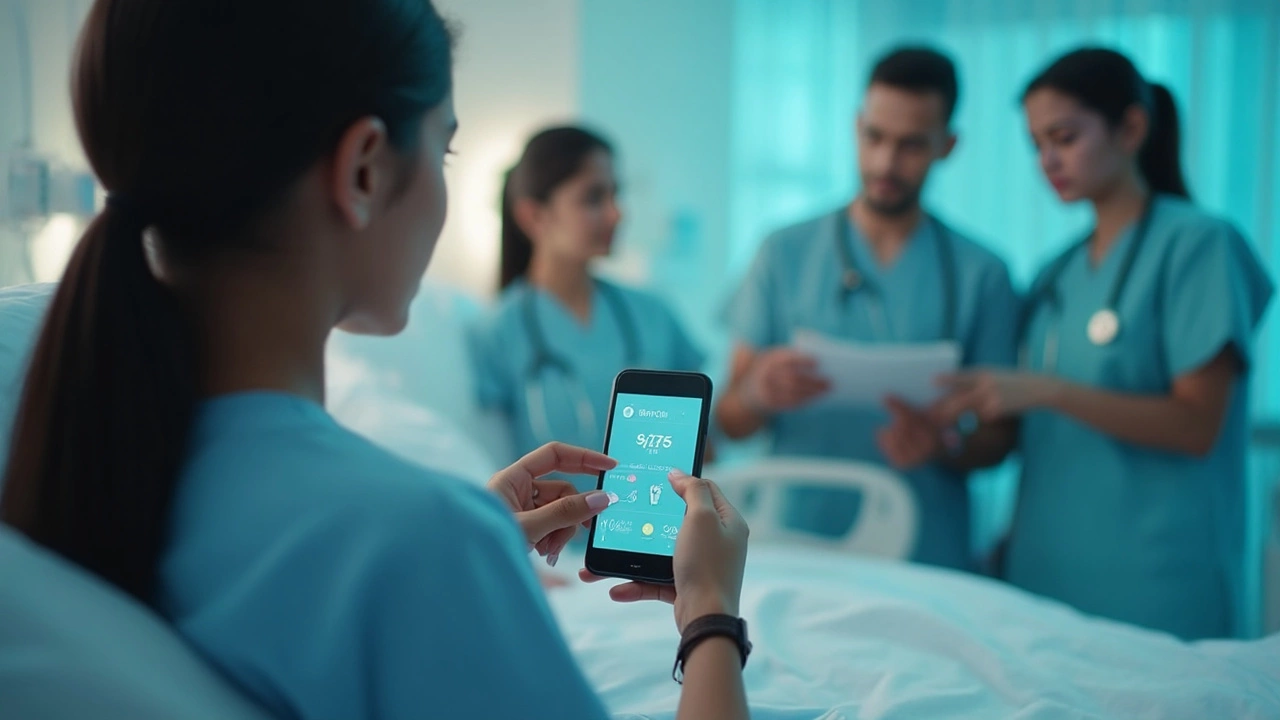
Latest Nanotechnology Invention in 2024: Smart Nano-Patches for Real-Time Health Monitoring
Apr, 25 2025
Curious about what nanotechnology pulled off in 2024? Smart nano-patches, no bigger than a postage stamp, are now tracking your health 24/7. These patches use nanosensors to monitor blood sugar, hydration, and even stress—wirelessly sending updates to your phone. The tech is already rolling out in major hospitals and fitness centers. Here’s how these tiny inventions might change daily healthcare.
Read Article→