Grid Stability: How Power Systems Stay Balanced and What’s Changing Today
When you flip a switch and the light turns on, you’re seeing the result of something incredibly complex: grid stability, the ability of an electrical power system to maintain steady voltage and frequency despite changing demand and supply. Also known as power system balance, it’s what stops blackouts, keeps appliances running, and lets solar panels and wind turbines connect without crashing the whole network. It’s not just about having enough electricity—it’s about having it at the right time, in the right amount, and at the right voltage.
Grid stability relies on three key players: renewable energy, power sources like solar and wind that generate electricity without fuel but vary with weather, energy storage, batteries and other systems that store excess power for later use, and smart grid, a modernized electricity network that uses digital tech to monitor and adjust power flow in real time. These aren’t just buzzwords—they’re the tools reshaping how India’s power system works. Solar panels on rooftops can suddenly send too much power into the grid on a sunny afternoon. Wind farms can drop output in minutes if the wind dies. Without storage to hold the extra energy and smart systems to balance the load, the grid becomes unstable—and that means outages.
India’s grid is under pressure. More homes and factories are going solar. More electric vehicles are charging at night. Traditional power plants are being phased out. But the grid’s old rules—designed for big, steady coal and gas plants—aren’t built for this. That’s why projects are popping up across the country: battery farms near solar parks, AI-driven load forecasting in cities, and microgrids in rural areas that can disconnect and run on their own if needed. These aren’t futuristic ideas. They’re happening now. And they’re all about keeping grid stability intact while adding cleaner power.
What you’ll find in the posts below are real stories about how India is tackling this challenge—from the tech behind home solar systems that talk to the grid, to the hidden costs of renewable energy that can actually hurt stability if not managed right. You’ll see how nanoparticles in batteries improve storage, how AI helps predict demand spikes, and why some renewable sources are trickier than others. This isn’t theory. It’s what engineers, policymakers, and homeowners are dealing with every day. Let’s look at how India is keeping the lights on while building a cleaner future.
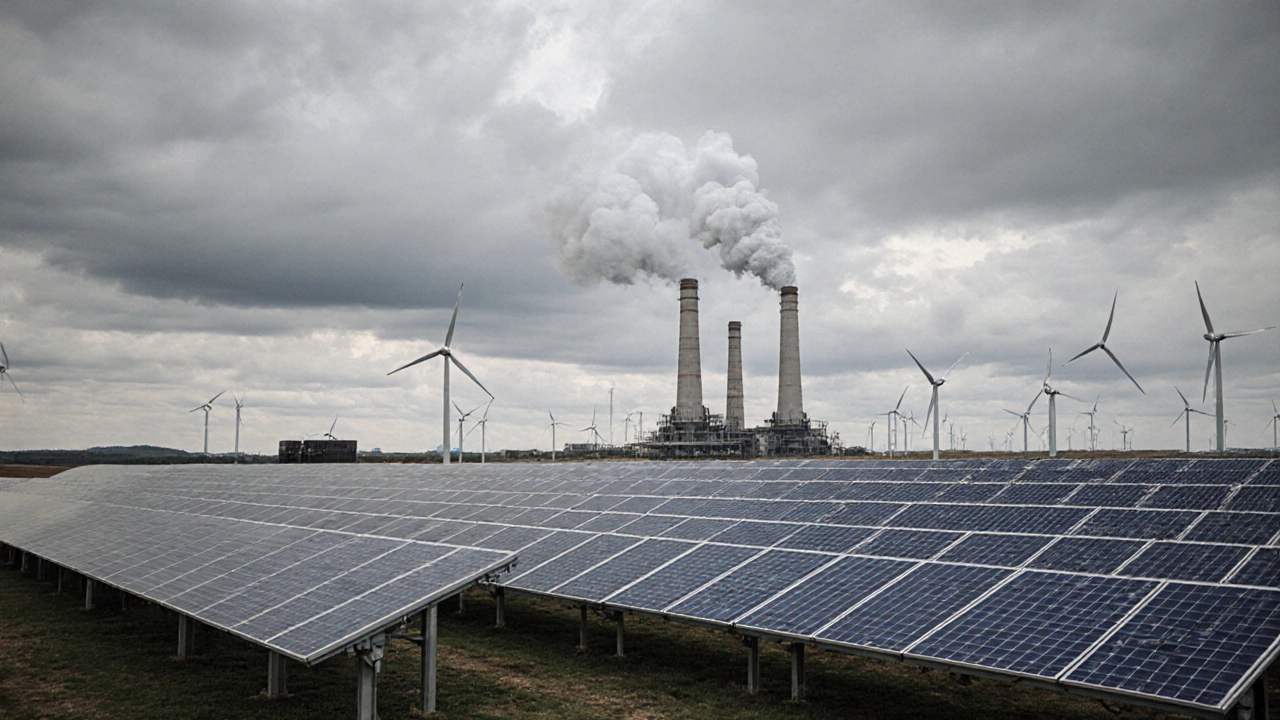
Why 100% Renewable Energy Isn't Possible Yet
Nov, 20 2025
Renewable energy can't fully replace fossil fuels yet because of weather dependence, storage limits, grid constraints, and industrial needs. A 100% renewable grid isn't feasible with today's technology.
Read Article→