Fossil Fuels: What They Are, Why They Matter, and What’s Changing
When you turn on a light, drive to work, or heat your home, you’re likely using energy from fossil fuels, non-renewable energy sources formed from ancient organic matter over millions of years. Also known as hydrocarbons, they include coal, a black, rock-like fuel burned mainly for electricity, oil, the liquid refined into gasoline and plastics, and natural gas, a cleaner-burning gas used for heating and power generation. These fuels powered the last 150 years of industrial growth—but they’re also the main driver of climate change.
Every time you burn fossil fuels, you release carbon dioxide and other greenhouse gases that trap heat in the atmosphere. That’s why global temperatures are rising, glaciers are melting, and extreme weather is becoming more common. The science is clear: we can’t keep burning them at today’s rates without making large parts of the planet unlivable. But here’s the thing—it’s not just about stopping. It’s about replacing. Solar panels, wind turbines, and battery storage are now cheaper than building new coal plants in most places. Countries and companies are shifting because it makes economic sense, not just because it’s ethical. India, for example, is adding more renewable energy capacity every year than any other nation, while still relying on coal for over 70% of its electricity. The transition isn’t fast enough, but it’s real.
What you’ll find in this collection are stories that cut through the noise. You’ll read about how fossil fuels still shape India’s energy grid, why some communities resist change, and how new tech is making alternatives more reliable. You’ll see how climate science connects to everyday life—from the cost of electricity to the air you breathe. These aren’t abstract debates. They’re about jobs, health, and survival. The next few years will decide whether we manage this shift with planning—or chaos. The articles below don’t just report on it. They show you what’s already changing, and what you need to know to understand it.
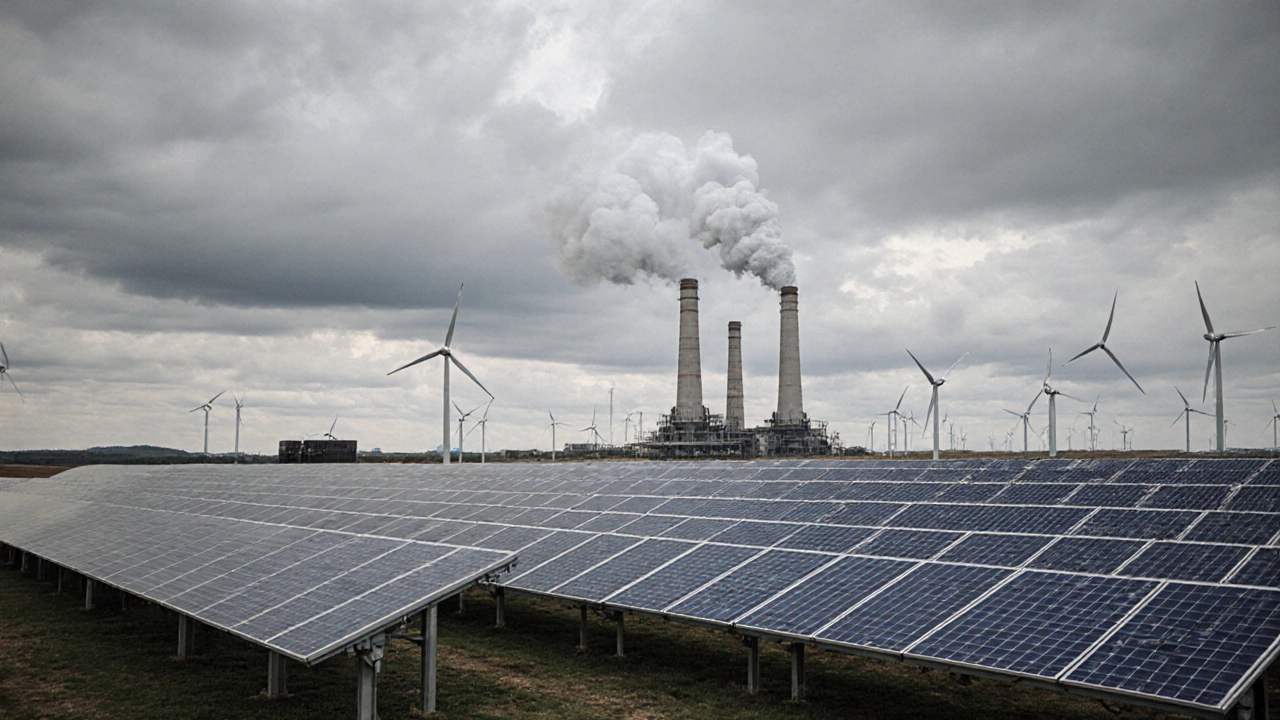
Why 100% Renewable Energy Isn't Possible Yet
Nov, 20 2025
Renewable energy can't fully replace fossil fuels yet because of weather dependence, storage limits, grid constraints, and industrial needs. A 100% renewable grid isn't feasible with today's technology.
Read Article→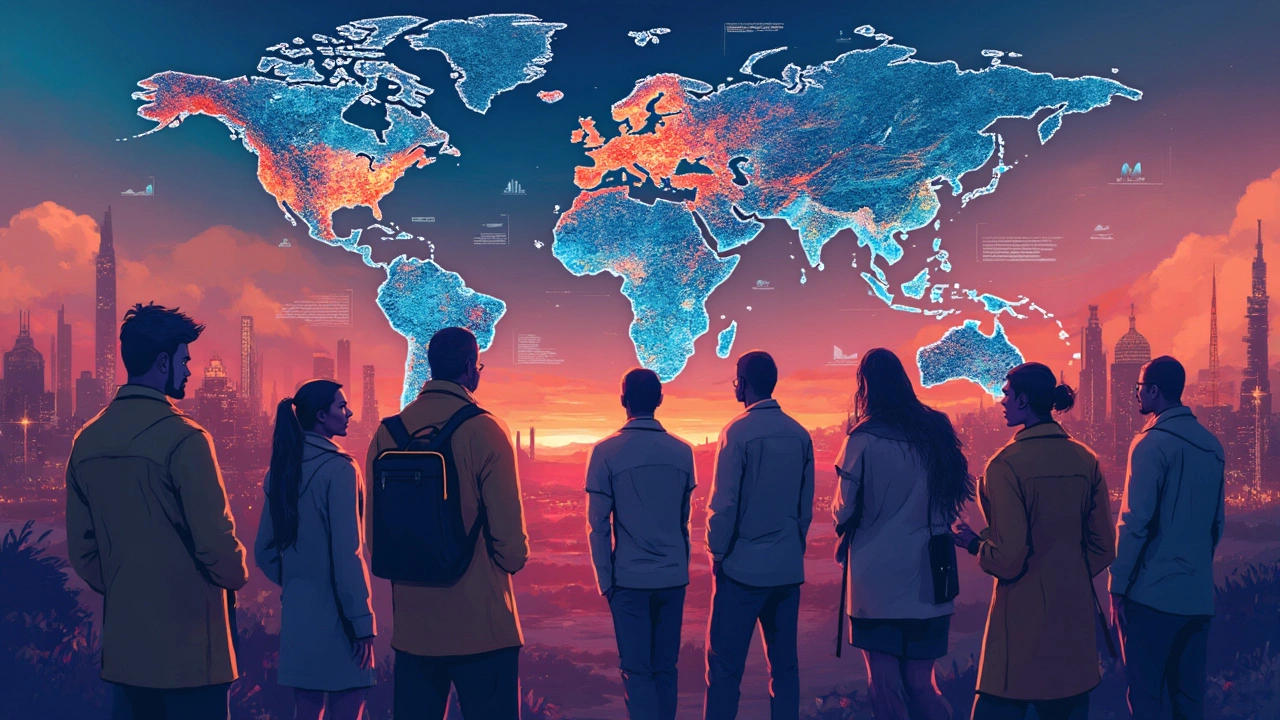
How Many Years of Fossil Fuels Are Left? Straight Answers and Fresh Realities
May, 23 2025
Curious about how long our fossil fuel stash can keep us going? This article breaks down the latest facts about the world’s oil, coal, and gas supplies in plain English. You’ll get clear numbers, learn what affects these estimates, and see why the ‘years left’ headline is only half the story. Plus, there’s a practical look at what’s pushing the shift to renewables. Get honest, no-nonsense answers to big energy questions.
Read Article→