Deforestation: Causes, Consequences, and What’s Being Done in India
When we talk about deforestation, the large-scale removal of forests, often for agriculture, logging, or urban expansion. It’s not just about losing trees—it’s about breaking the lifelines of entire ecosystems, weather patterns, and communities that depend on them. In India, where forests cover nearly 25% of the land, deforestation is accelerating in places like the Western Ghats, the Northeast, and parts of central India. Every year, thousands of hectares vanish, and with them go species found nowhere else on Earth.
This isn’t just an environmental issue—it’s a human one. climate change, the long-term shift in global temperatures and weather patterns. It’s directly fueled by deforestation, since trees store carbon and release oxygen. When forests burn or are cut down, that stored carbon floods into the atmosphere, making global warming worse. At the same time, biodiversity, the variety of life in a given ecosystem. Is collapsing. Species like the Bengal tiger, the Malabar giant squirrel, and countless plant species are losing their homes faster than scientists can document them. And while big industries get blamed, small-scale clearing for farming, fuelwood, and infrastructure also adds up—especially in rural areas where alternatives are scarce.
But it’s not all bad news. Across India, communities are leading the charge in reforestation, the process of replanting trees in areas where forests have been lost. From tribal groups in Odisha restoring degraded land to startups using drones to seed forests in hard-to-reach areas, real change is happening. Scientists are mapping forest loss with satellite data to catch illegal logging early. Farmers are being paid to protect trees on their land instead of cutting them. And policies are slowly shifting—from punishing villages for encroachment to partnering with them as stewards.
What you’ll find in the posts below aren’t just reports on forest loss—they’re stories of people fighting back, technologies helping monitor what’s left, and hard data showing what’s actually working. Some posts dig into how farming practices drive tree loss. Others show how AI is tracking illegal logging in real time. There are even deep dives into how losing a single tree species can collapse an entire food web. This isn’t a list of doom and gloom. It’s a look at where the problem is, who’s solving it, and what you need to know to understand the real stakes.
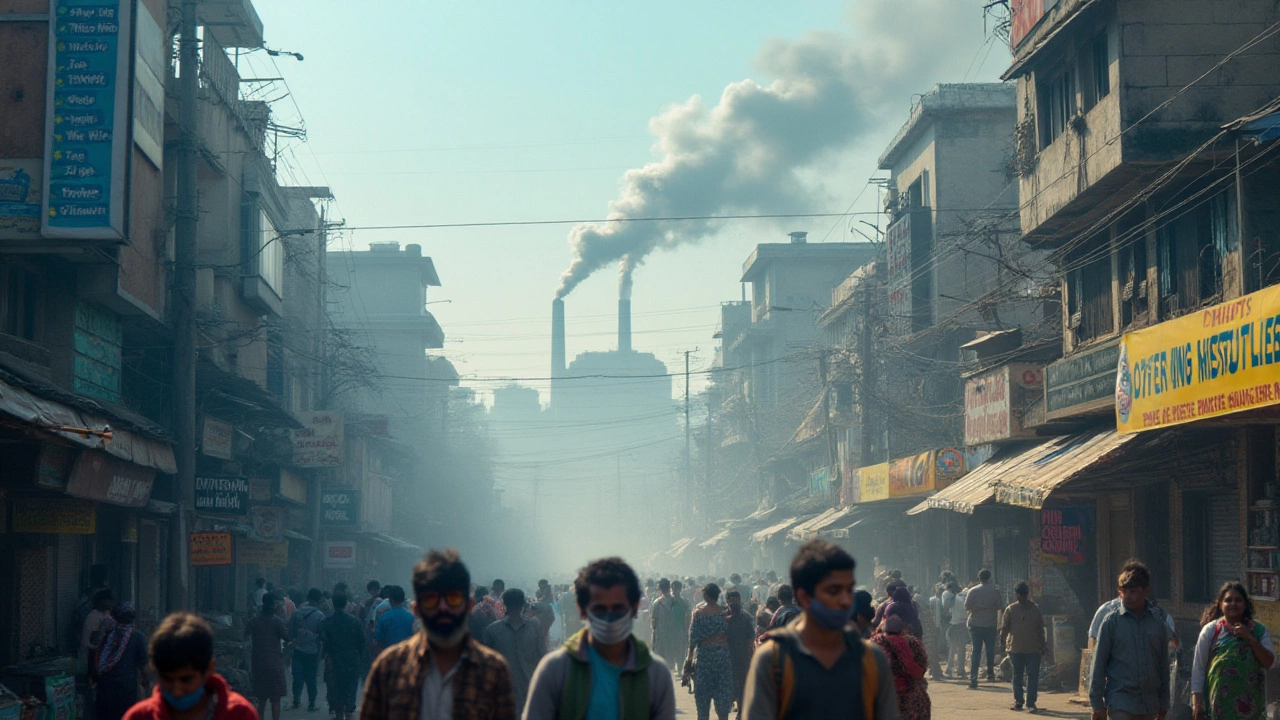
Top 3 Pressing Environmental Issues of 2025: Understanding Climate Challenges
Jan, 12 2025
As we find ourselves in 2025, understanding the urgent environmental challenges becomes crucial. The top environmental issues include climate change, pollution, and deforestation, each threatening ecosystems and human livelihoods. Climate change intensifies natural disasters and affects global food security, while pollution impacts air and water quality. Deforestation leads to habitat loss and exacerbates greenhouse gas emissions. Addressing these issues through sustainable practices is essential for ensuring a healthier planet.
Read Article→