Cellular Therapies: How Living Cells Are Rewriting Medicine
When we talk about cellular therapies, treatments that use living cells to repair, replace, or reprogram damaged tissues in the body. Also known as cell-based therapies, they’re not just science fiction—they’re saving lives right now in hospitals across India and beyond. Unlike pills or surgery, these treatments turn your own cells into medicine. Imagine taking a patient’s immune cells, training them to hunt down cancer, and putting them back in. That’s not magic. It’s CAR-T therapy, a type of cellular therapy where T cells are genetically modified to target specific cancer cells. And it’s already helping people with leukemia and lymphoma who had no other options.
Behind every successful cellular therapy is a mix of biology, engineering, and precision medicine. stem cell therapy, the use of unspecialized cells that can turn into different cell types like heart, nerve, or blood cells is another major branch. It’s being tested in India for spinal cord injuries, diabetes, and even heart damage after heart attacks. These aren’t theoretical trials—they’re happening in labs in Bengaluru, Hyderabad, and Pune, often led by Indian scientists who’ve trained abroad but chose to bring their expertise home. Then there’s regenerative medicine, the broader field focused on restoring or replacing damaged tissues using cells, scaffolds, or growth factors. It’s not just about fixing one organ—it’s about resetting the body’s ability to heal itself.
What makes cellular therapies different from traditional drugs? They’re alive. They move. They adapt. They multiply inside you. That’s why they can work where pills fail. But they’re also complex. They need cold storage, strict lab conditions, and personalized manufacturing. That’s why cost and access are still big hurdles. But India’s growing biotech ecosystem—backed by government initiatives and private investment—is making these treatments more affordable and scalable. You’ll find posts here that break down how CAR-T works, why stem cells from umbilical cords are valuable, how Indian researchers are improving cell delivery methods, and what’s holding back wider adoption. Some of these stories come from labs where scientists are coding gene edits into cells. Others come from clinics where patients are getting their first dose. This isn’t the future. It’s happening now. And what you’ll read below shows exactly how.
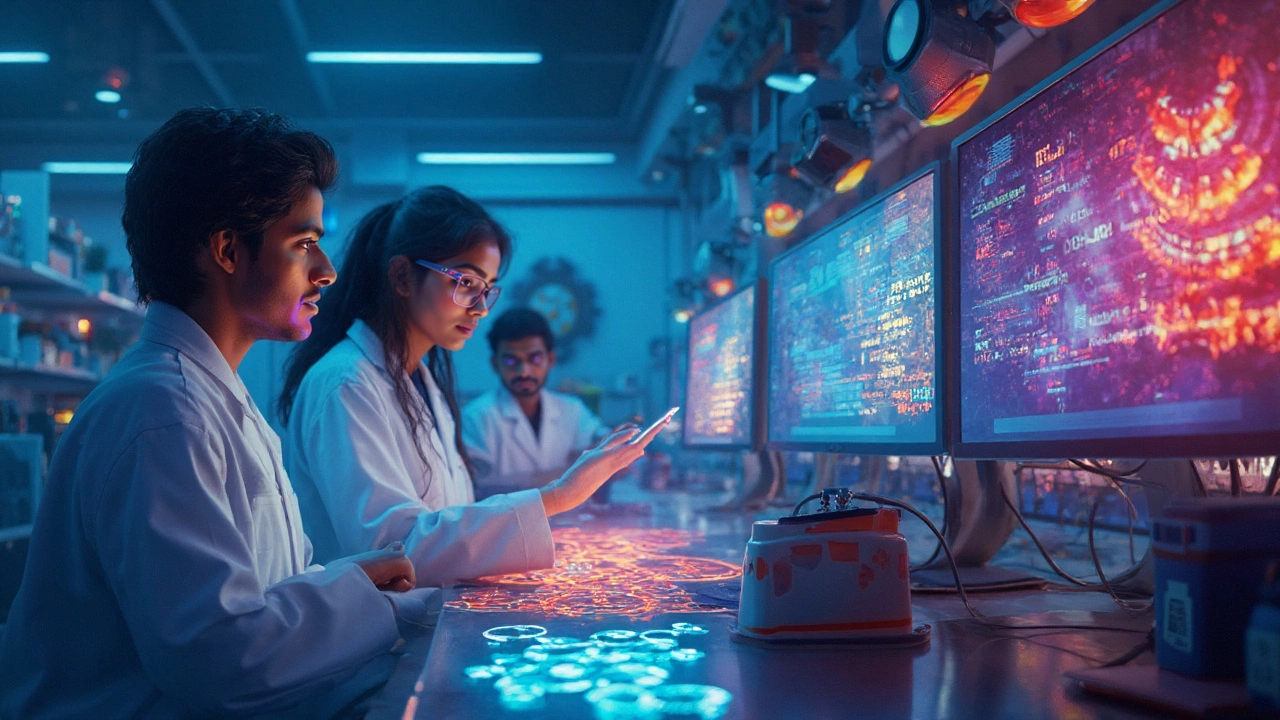
Next Big Thing in Biotech: Gene Editing, Cellular Therapies, and Synthetic Biology
Aug, 8 2025
Gene editing, cellular therapies, and AI-designed proteins are changing how we treat disease and grow food. See what’s truly next in biotech.
Read Article→