Biotech Careers: Jobs, Skills, and Real Paths in India's Growing Field
When you think of biotechnology, the use of living systems and organisms to develop or make products, often in medicine, agriculture, or environmental science. Also known as biotech, it's not just lab coats and pipettes—it's a growing engine of jobs across India, from drug development to food safety and beyond. This isn’t science fiction. It’s happening in labs in Bangalore, research centers in Hyderabad, and startup hubs in Pune. Companies are hiring people to design nanomedicine, drugs that use nanoparticles to deliver treatment directly to cancer cells, reducing side effects, while others build tools to make crops resistant to drought. You don’t need to be a genius to get in—you just need the right training and curiosity.
Most biotech careers, professional roles that involve applying biological science to solve real-world problems in health, agriculture, or industry start with a bachelor’s in biology, chemistry, or biotech, but many top roles require a master’s or PhD. The medical scientist, a professional who conducts research to improve human health, often developing new drugs or diagnostic tools is one of the most common paths, with salaries growing fast as India invests in domestic drug production. But there are other roles too: quality control analysts in pharma, regulatory affairs officers who make sure products meet safety rules, and even biotech sales reps who explain complex science to doctors. Some jobs are in hospitals, others in startups, and a few are on farms—yes, agricultural science careers, jobs focused on improving crop yields, soil health, and sustainable farming using biological tools are part of biotech too. If you’ve read about nanoparticle drugs like Doxil or how AI helps design new proteins, that’s the kind of work people in these jobs actually do every day.
You don’t have to wait years to start contributing. Internships in Indian biotech firms often lead to full-time roles. Certifications in lab techniques, data analysis, or bioinformatics can boost your resume faster than another degree. The field is still young here, which means there’s room to shape it. You’ll find jobs in cancer research, clean water tech, even food safety—like checking if soft drinks contain engineered nanoparticles (they don’t, but someone had to test that). The real question isn’t whether biotech is growing—it’s which path you’ll choose. Below, you’ll find real articles that break down what these jobs actually look like, what you need to learn, and how to get started without wasting time or money.
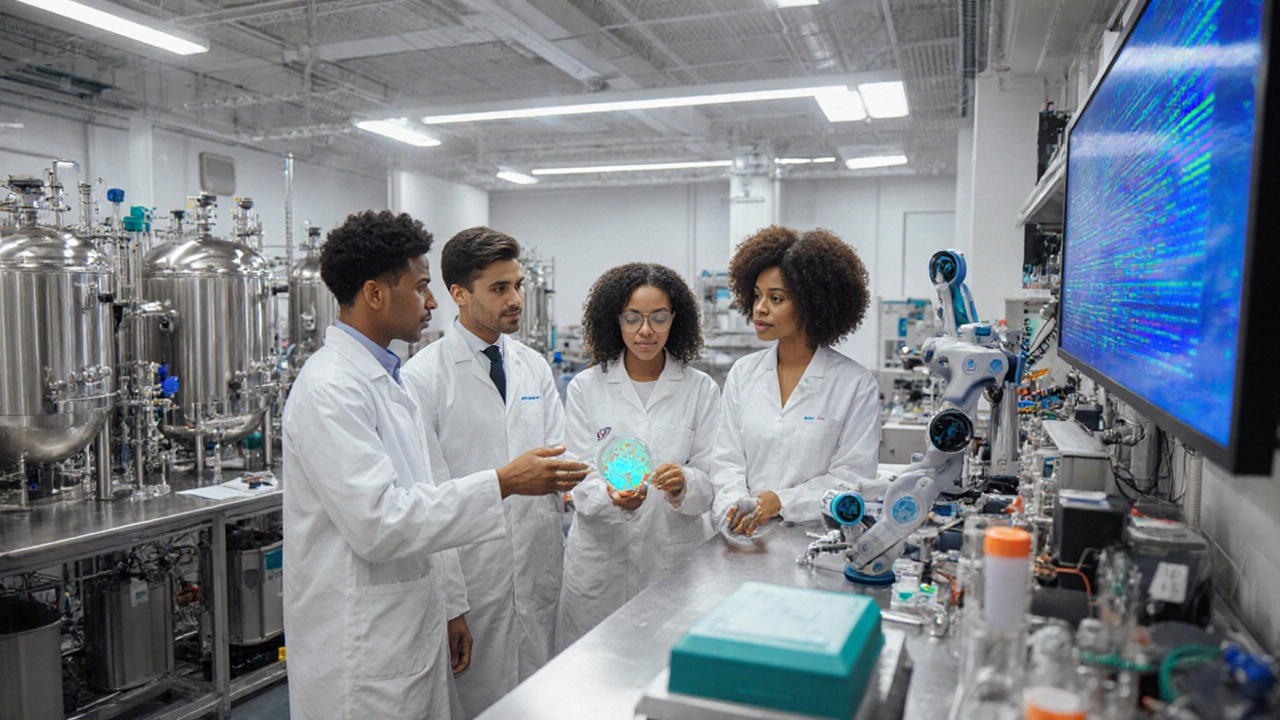
Biotechnology Jobs: Career Paths, Salaries, and How to Get Started
Oct, 5 2025
Explore the wide range of biotechnology jobs, from lab scientists to regulatory and sales roles, with salary insights, required skills, and tips to start your career.
Read Article→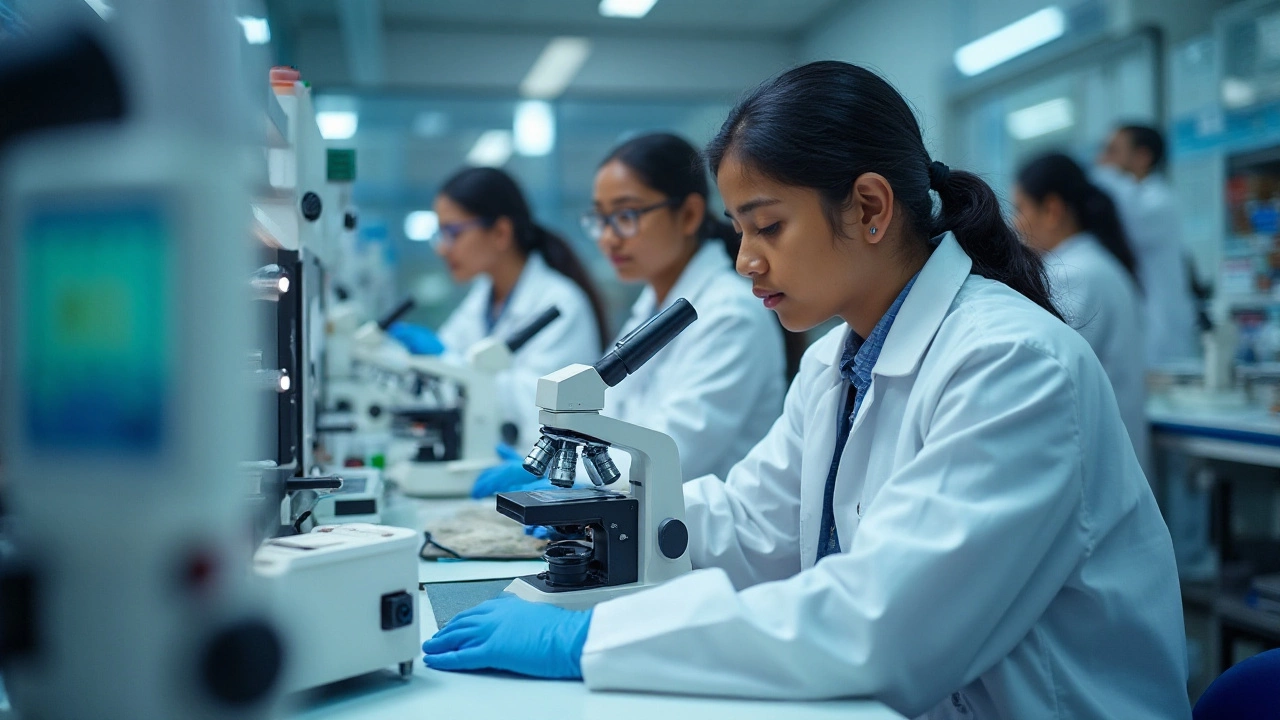
Essential Education Pathways for Biotech Careers
Jan, 14 2025
Biotechnology careers often require a blend of education and practical experience. Most positions in this field expect at least a bachelor's degree, with advanced roles demanding higher qualifications like master's or doctoral degrees. Specialized programs and certifications can significantly boost employability, while practical experience through internships and research projects is invaluable. This article sheds light on the educational pathways necessary for various biotech careers, guiding aspiring professionals towards achieving their career goals.
Read Article→