Agricultural Science: Careers, Innovations, and the Future of Farming in India
When you think of agricultural science, the application of biology, chemistry, and technology to improve food production and land use. Also known as farm science, it’s not just about planting seeds—it’s about fixing broken systems, reducing waste, and feeding a growing nation with less water and fewer chemicals. In India, where over 50% of the workforce still depends on farming, agricultural science isn’t optional—it’s the backbone of food security, rural incomes, and climate resilience.
It’s not just agronomists in fields anymore. agri-tech, technology applied to farming—from soil sensors to AI-driven yield predictions is exploding. Startups are using drones to map crop health, apps to connect farmers to buyers, and data tools to predict monsoons. Meanwhile, soil science, the study of soil composition, fertility, and health is becoming critical as overuse and chemical runoff degrade land. Farmers now test soil before planting, not just guess. And it’s not just big labs doing this—smallholder farmers are using low-cost kits to check pH and nutrients themselves.
These aren’t abstract ideas. They’re what’s behind new jobs: soil analysts in Punjab, data specialists in Bengaluru, precision farming trainers in Maharashtra. Agricultural science is opening paths beyond the traditional image of a farmer with a hoe. You can work in labs, in offices, on apps, or out in the field—no two roles are the same. And the demand is rising. India needs more people who understand both biology and tech, who can translate research into real results on the ground.
What you’ll find below are real stories from this world: the careers that pay, the innovations that stick, and the science that’s quietly transforming how India feeds itself. No fluff. No jargon. Just what’s working—and who’s making it happen.
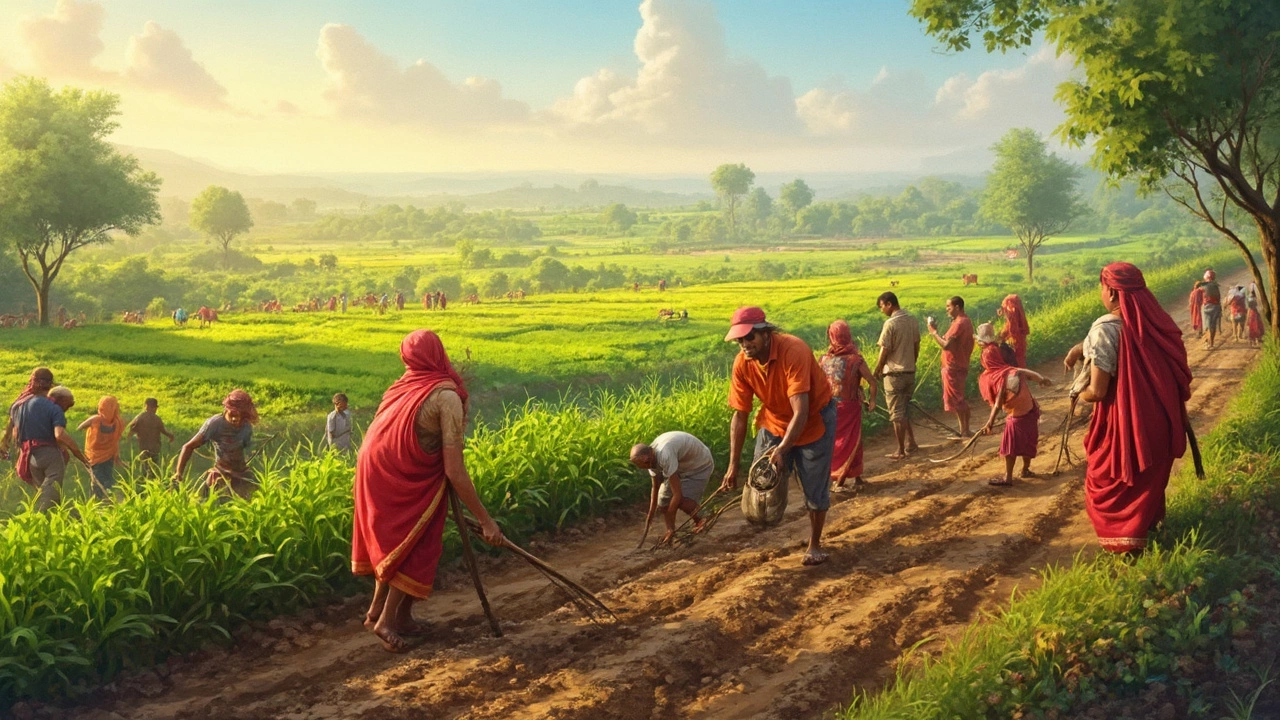
Best Branches of Agriculture: Exploring Your Options
Apr, 3 2025
Agriculture is huge, with many branches like crop production, livestock farming, and horticulture. Each area has unique opportunities and challenges, and your choice should depend on your interests and resources. Understanding the differences can help you make informed decisions about your future in agriculture. Dive into this article to find out which path is best for you.
Read Article→