Public Health Campaigns: Examples, Strategies, and Impact
 Jul, 28 2026
Public Health Campaign Impact Analyzer
Select a Campaign to Analyze
Compare Campaign Effectiveness
Think about the last time you saw a billboard with a stark image of a cigarette or heard a catchy jingle reminding you to wash your hands. Those weren't just ads; they were pieces of a massive, coordinated effort to keep populations healthy. Public health campaigns are strategic communication efforts designed to influence public behavior and improve community health outcomes. They bridge the gap between medical science and everyday life, turning complex data into actionable habits.
From eradicating smallpox to reducing smoking rates by half in many developed nations, these initiatives have saved millions of lives. But how do they work? And why do some succeed while others fade into obscurity? Understanding the mechanics behind these campaigns reveals not just history, but the blueprint for future health security.
The Anatomy of a Successful Health Initiative
A health campaign is a structured series of activities aimed at raising awareness and changing behaviors related to specific health issues. It’s not enough to simply shout facts from the rooftops. Effective campaigns rely on behavioral psychology, social norms, and clear messaging. The goal is always to move people from awareness to action.
Consider the components that make up a robust initiative:
- Clear Objective: Is the goal to increase vaccination rates, reduce sugar intake, or promote mental health literacy?
- Target Audience: Who needs to hear this message? Teenagers, new parents, or elderly patients require different approaches.
- Behavioral Change Model: Using frameworks like the Theory of Planned Behavior to predict what will motivate action.
- Multi-Channel Distribution: Combining TV, social media, community events, and policy changes.
For instance, when the World Health Organization (WHO) launched its global tobacco control strategy, it didn’t just ask people to quit. It worked with governments to raise taxes, ban advertising, and create smoke-free zones. The campaign supported the policy, and the policy enforced the campaign’s message. This synergy is critical.
Historical Landmarks in Disease Prevention
Some campaigns have literally changed the course of human history. The most famous example is the eradication of smallpox. In the mid-20th century, smallpox killed millions annually. The Global Smallpox Eradication Program, led by the WHO in 1967, combined mass vaccination with surveillance and containment. By 1980, smallpox was declared extinct in nature. This remains the only human disease ever eradicated.
Another pivotal moment was the fight against polio. The March of Dimes in the United States raised funds for research and vaccination drives in the 1950s. Their iconic posters and celebrity endorsements normalized vaccination. Today, the Global Polio Eradication Initiative continues this work, bringing us within sight of eliminating the virus entirely.
| Campaign Name | Primary Goal | Key Strategy | Outcome/Metric |
|---|---|---|---|
| Global Smallpox Eradication | Eradicate smallpox virus | Ring vaccination & surveillance | Disease eradicated in 1980 |
| March of Dimes (Polio) | Fund polio vaccine research | Mass fundraising & awareness | Polio cases dropped by 99% in US |
| Truth (Anti-Smoking) | Reduce youth smoking | Youth-led counter-marketing | Contributed to 34% drop in teen smoking |
| Get Tested (HIV/AIDS) | Increase HIV testing | Destigmatization & accessibility | Millions tested globally annually |
Modern Challenges: Lifestyle and Mental Health
As infectious diseases recede in developed nations, public health campaigns have shifted toward lifestyle-related conditions. Obesity, diabetes, and heart disease are now leading causes of death. Campaigns like Let's Move! in the US or Change4Life in the UK aim to tackle obesity through education and environmental changes.
These campaigns face unique hurdles. Unlike a virus, bad habits are deeply ingrained. You can’t “cure” poor diet with a single shot. Instead, initiatives focus on long-term cultural shifts. For example, sugar tax campaigns don’t just warn about health risks; they change the economic landscape of sugary drinks, making healthier choices cheaper and easier.
Mental health has also moved from the shadows to the spotlight. Campaigns like Time to Change in England sought to reduce stigma around mental illness. By sharing personal stories and challenging stereotypes, they encouraged open conversations. The result? A significant decrease in reported discrimination and an increase in help-seeking behavior among young people.
The Role of Digital Media and Social Networks
In 2026, no public health campaign ignores digital platforms. Social media allows for real-time engagement and targeted messaging. During the COVID-19 pandemic, agencies used Twitter, Facebook, and Instagram to disseminate safety guidelines instantly. However, digital spaces also harbor misinformation.
Campaigns must now compete with viral falsehoods. The CDC and other bodies employ “pre-bunking” strategies-anticipating myths and debunking them before they spread. Influencer partnerships have become standard practice. When a trusted voice in a community shares a vaccination reminder, it carries more weight than a government press release.
Data analytics play a crucial role here. By tracking search trends and social sentiment, health officials can identify emerging concerns and adjust their messaging accordingly. If people are searching for “side effects of flu shot,” the campaign can proactively address those fears with transparent, easy-to-understand content.
Community-Led Initiatives and Local Impact
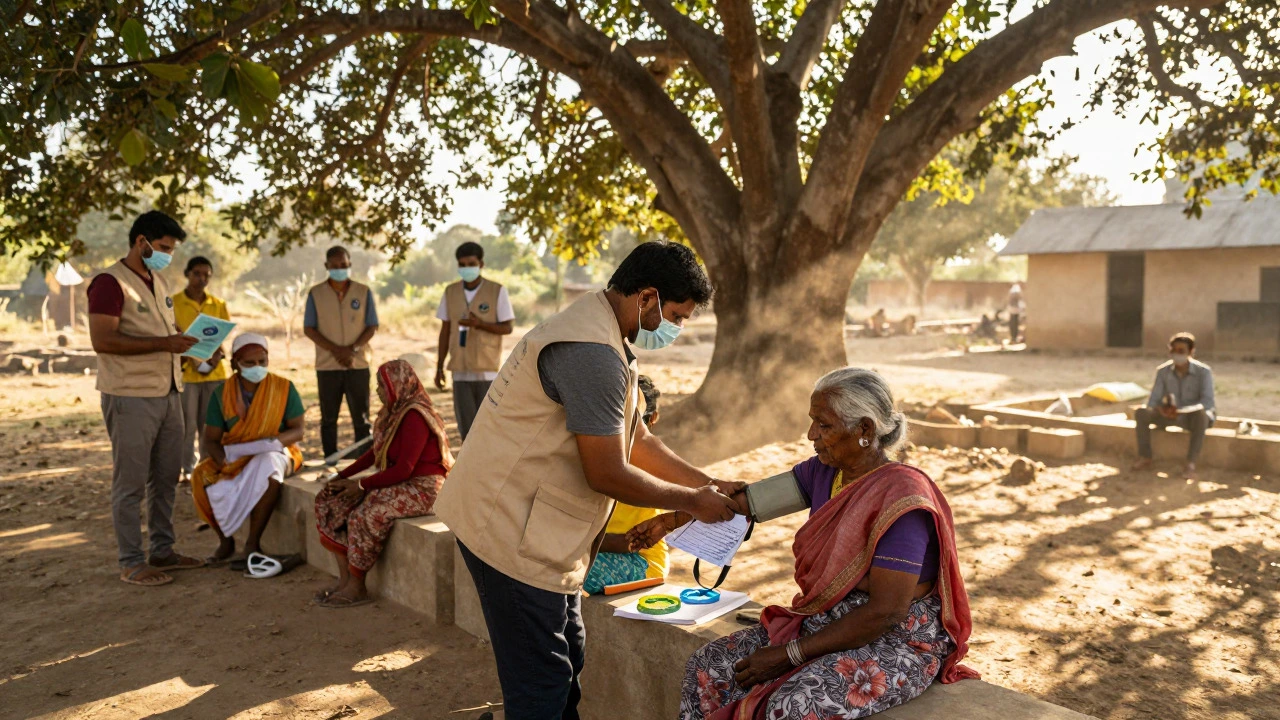
While national campaigns set the tone, local initiatives drive real change. Community health workers often understand the cultural nuances and barriers that top-down policies miss. In Liverpool, for example, local groups focus on tackling air pollution and promoting active travel in neighborhoods with high respiratory disease rates.
Grassroots campaigns empower residents to take ownership of their health. A neighborhood walking group isn’t just exercise; it’s social support. A community garden reduces food deserts and encourages fresh produce consumption. These micro-campaigns build resilience and trust, which are essential for broader public health efforts.
Partnerships between local governments, NGOs, and healthcare providers ensure resources are allocated effectively. Funding might come from national grants, but implementation happens on the ground. This hybrid approach ensures that campaigns are both scientifically sound and culturally relevant.
Measuring Success: Metrics and Evaluation
How do we know if a campaign works? Public health experts use a variety of metrics. Output metrics track reach: how many people saw the ad, clicked the link, or attended the event. Outcome metrics measure change: did smoking rates drop? Did vaccination coverage increase?
Longitudinal studies compare health data before and after the campaign. Surveys assess shifts in knowledge, attitudes, and practices (KAP). For instance, a campaign against drunk driving might track traffic fatalities over five years. If numbers decline alongside increased enforcement and awareness, the campaign likely contributed to the success.
Cost-effectiveness analysis is also vital. Public health budgets are limited. Decision-makers need to know which interventions deliver the best return on investment. Vaccination campaigns, for example, are highly cost-effective because they prevent expensive treatments down the line.
Future Directions: Personalization and Equity
The next generation of public health campaigns will be more personalized. With advances in AI and big data, messages can be tailored to individual risk profiles. Imagine receiving a notification about lung cancer screening based on your age, smoking history, and genetic predisposition. This precision public health approach maximizes impact.
Equity remains a central challenge. Health disparities persist across racial, socioeconomic, and geographic lines. Future campaigns must prioritize marginalized communities. This means designing materials in multiple languages, addressing systemic barriers, and ensuring access to care. A campaign is only as strong as its weakest link-if one group is left behind, the whole population suffers.
Climate change adds another layer of complexity. Heatwaves, floods, and vector-borne diseases are increasing. Public health initiatives must adapt to these environmental shifts, integrating climate resilience into every strategy.
What is the difference between a public health campaign and an advertisement?
An advertisement typically promotes a product or service for profit. A public health campaign aims to improve community well-being without commercial gain. While both use persuasive techniques, health campaigns rely on scientific evidence and often involve policy changes, whereas ads focus on consumer desire.
How do public health campaigns measure success?
Success is measured through output metrics (reach, impressions) and outcome metrics (behavior change, disease reduction). Long-term studies track health indicators like mortality rates or hospital admissions. Surveys also assess changes in public knowledge and attitudes.
Why do some public health campaigns fail?
Campaigns may fail due to poor targeting, unclear messaging, lack of resources, or resistance from the target audience. Misinformation can also undermine efforts. Additionally, if the campaign doesn’t address underlying structural barriers (like cost or access), behavior change is unlikely to sustain.
Can social media negatively impact public health campaigns?
Yes. Social media can amplify misinformation and conspiracy theories quickly. Algorithms may prioritize engaging but false content over factual information. Campaigns must actively monitor digital spaces, debunk myths, and partner with trusted influencers to maintain credibility.
What role does policy play in public health campaigns?
Policy provides the backbone for many campaigns. Laws banning smoking in public places, mandating seatbelts, or taxing sugary drinks reinforce campaign messages. Without supportive policy, behavioral change is harder to achieve and sustain. Policy creates an environment where healthy choices are the default.