How to Start a Public Health Initiative: A Practical Step-by-Step Guide
 Dec, 1 2025
SMART Public Health Goal Calculator
Transform your community health idea into a focused, actionable goal using the SMART framework from the article. This tool helps you ensure your initiative is realistic, measurable, and likely to succeed.
Your SMART Goal
Starting a public health initiative isn’t about launching a big campaign with flashy posters or a viral social media push. It’s about solving real problems in real communities - the kind of problems that show up in waiting rooms, school lunch lines, and crowded apartment buildings. If you’ve ever seen someone skip their medication because they can’t afford it, or a child go without a check-up because no one has time to take them, you already know why this matters.
Identify the real problem, not the symptom
Too many public health efforts fail because they tackle the wrong thing. You might think, ‘People aren’t getting vaccinated’ - so you run a vaccine drive. But what if the real issue is transportation? Or mistrust in clinics? Or lack of childcare during appointments?
Start by listening. Go to the places where people live, work, and gather. Talk to community health workers, local pastors, school nurses, barbers, and parents. Ask open-ended questions: ‘What’s hardest about staying healthy here?’ Not ‘Do you get flu shots?’
In Liverpool, a group working on diabetes prevention found that people weren’t avoiding sugar because they didn’t know it was bad - they were buying cheap, processed food because fresh produce was 40% more expensive in their neighborhood. That’s the kind of insight you need before you spend a single pound.
Build a small, focused goal
Big dreams sink fast. Instead of aiming to ‘reduce obesity in the city,’ try: ‘Help 50 families in Toxteth access free cooking classes using local produce by next summer.’
Good public health goals follow the SMART rule:
- Specific: Who? What? Where?
- Measurable: How will you know it worked?
- Achievable: Can you do this with your current resources?
- Relevant: Does it actually fix the problem you found?
- Time-bound: When will you check progress?
For example, a school-based initiative in Birmingham didn’t try to ‘improve children’s nutrition’ - they started by putting a fruit and veg snack in every child’s lunchbox, once a week. Within six months, 78% of kids were eating it. That’s measurable. That’s doable.
Find your partners - don’t go it alone
You don’t need a big budget. You need the right people.
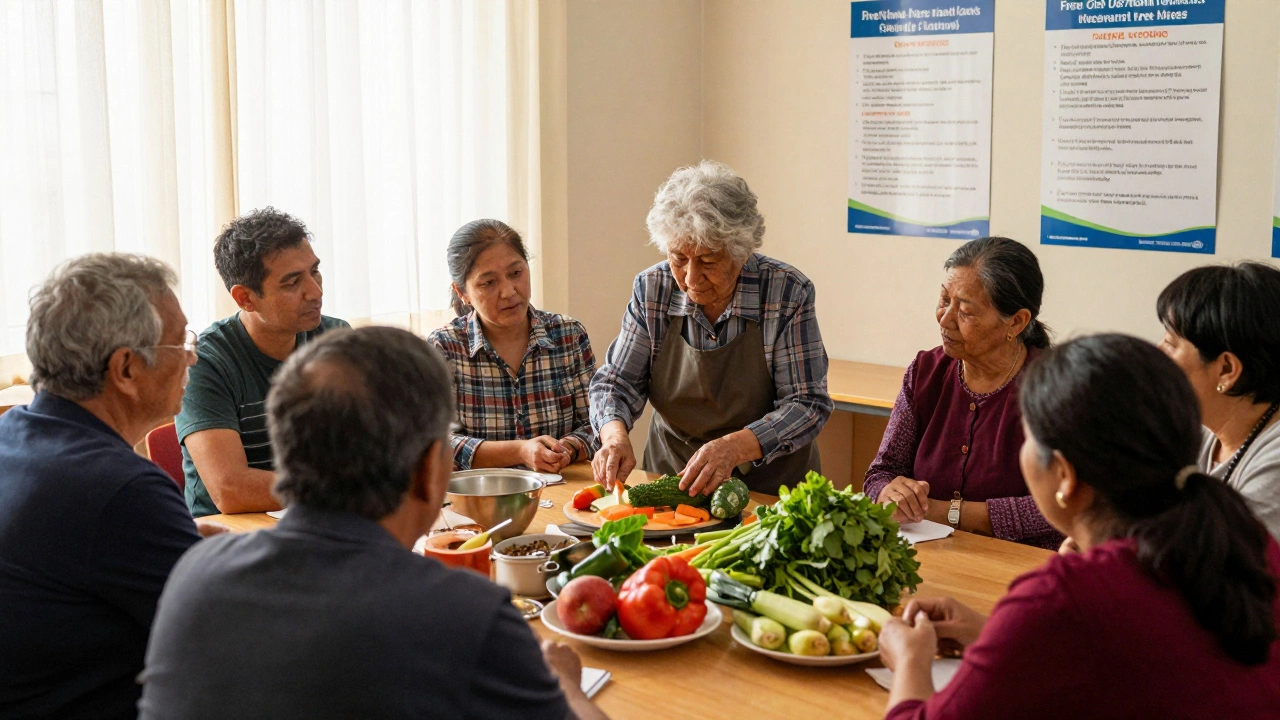
Look for local organizations already doing work in your area: food banks, youth clubs, faith groups, libraries, even local sports teams. They already have trust, space, and access to the people you want to reach.
In Manchester, a mental health initiative started when a community center partnered with a local football club. Players visited after training to talk to teens - not about therapy, but about stress from exams and social media. Attendance jumped. No clinician was needed. Just someone who showed up, listened, and came back.
Don’t try to lead everything. Let people lead themselves. If you’re a nurse, don’t run the workshop - help a parent who’s already organizing a neighborhood cooking group. Give them supplies, not instructions.
Use what’s already there
You don’t need to invent new tools. Use what’s free and already working.
- Public libraries offer free meeting rooms and internet access.
- Local councils often have small grants for community projects (check your city’s ‘Community Grants’ page).
- Public Health England (now UKHSA) provides free educational materials on nutrition, smoking, and mental health.
- Volunteer networks like Age UK or Mind can connect you with trained helpers.
One group in Leeds started a walking group for older adults by simply putting up flyers at the bus stop. They didn’t hire a fitness trainer. They just asked people to show up at 9 a.m. every Tuesday. Someone brought tea. Someone else brought a playlist. Within three months, 30 people were walking together. No funding. Just connection.
Measure what matters - simply
You don’t need surveys with 50 questions. Just ask three things:
- Before you started, how often did people do [the healthy behavior]?
- Now, how often do they do it?
- What changed for them?
Use sticky notes, a notebook, or a free Google Form. Record names if you want to follow up - but never force data collection. People will tell you what’s working if you ask kindly and respect their time.
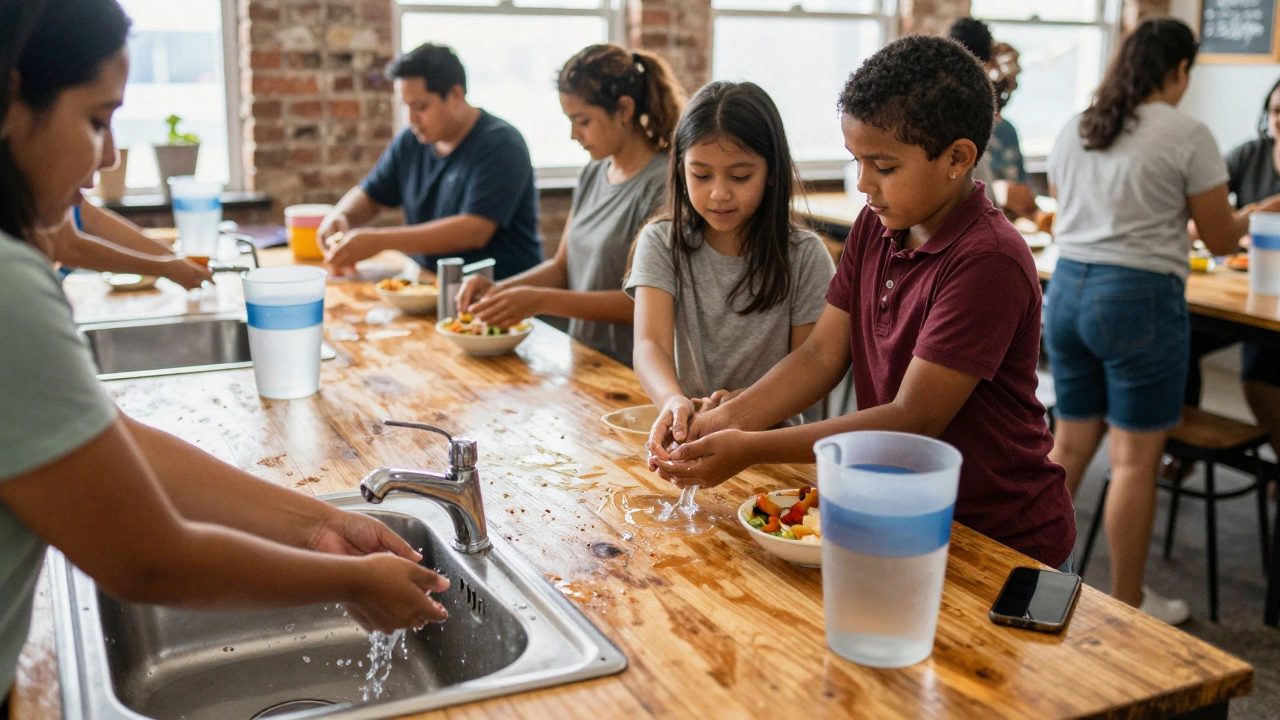
In a housing estate in Bristol, a group tracking handwashing habits didn’t count soap usage. They counted how many people washed their hands before eating lunch at the community kitchen. Before: 12 out of 50. After three weeks of a simple song played at mealtime: 43 out of 50.
Make it stick - not flashy, but familiar
Public health doesn’t win with ads. It wins with repetition. With routine. With habit.
Think about toothbrushing. No one runs a campaign to make people brush their teeth. They just do it every morning and night because it’s part of the day. That’s the model.
Want people to drink more water? Put a jug of filtered water on every table in the community center. Not a poster saying ‘Drink Water!’ - just water. Always there. Always available.
Want to reduce smoking? Don’t just hand out quit kits. Help people replace the habit. Offer a free 10-minute walk with a volunteer after lunch. Make it part of their daily rhythm.
Expect resistance - and know why
People won’t always say yes. They might say: ‘This won’t work here.’ Or ‘I’ve seen this before.’
That’s not stubbornness. That’s past disappointment. Maybe a past initiative promised change and vanished after six months. Maybe a health worker was rude. Maybe they were told to ‘eat better’ without being shown how.
Don’t argue. Say: ‘You’re right. It didn’t work before. What would make it different this time?’
That question flips the script. You’re not selling an idea. You’re asking for help to fix what broke last time.
Start small. Stay local. Stay patient
The biggest public health wins aren’t from national campaigns. They’re from a single person who noticed a problem, asked a few questions, and kept showing up.
You don’t need a degree in public health. You don’t need a grant. You need curiosity, humility, and the willingness to listen longer than you talk.
Start with one neighbor. One group. One small change. Then build from there.
Public health isn’t about saving the world. It’s about making tomorrow a little easier for the person next to you today.