How Biotechnology Revolutionized Our World: From CRISPR to mRNA
 May, 8 2026
Biotech Impact Simulator
Select a biotechnology below to see its real-world application, primary benefit, and future potential.
CRISPR-Cas9
Gene Editing
HealthcaremRNA Platforms
Vaccines & Therapeutics
Rapid ResponsePrecision Agriculture
Crop Engineering
Food SecuritySynthetic Biology
Microbial Factories
SustainabilityTechnology Name
Primary Application
Description goes here.
Key Benefit
Benefit goes here.
Think about the last time you got a flu shot or ate a strawberry that stayed fresh for weeks. Now think about how those things used to work compared to today. The difference isn't just incremental; it’s structural. Biotechnology is the use of living systems and organisms to develop or make products. What started as simple fermentation in ancient breweries has exploded into a field that rewrites DNA, designs synthetic organs, and feeds billions with drought-resistant crops.
We aren’t just observing nature anymore. We are programming it. This shift has fundamentally altered healthcare, agriculture, and industry, creating solutions that were science fiction just two decades ago. Here is how biotech has quietly but powerfully revolutionized our daily lives.
Rewriting the Code of Life with CRISPR
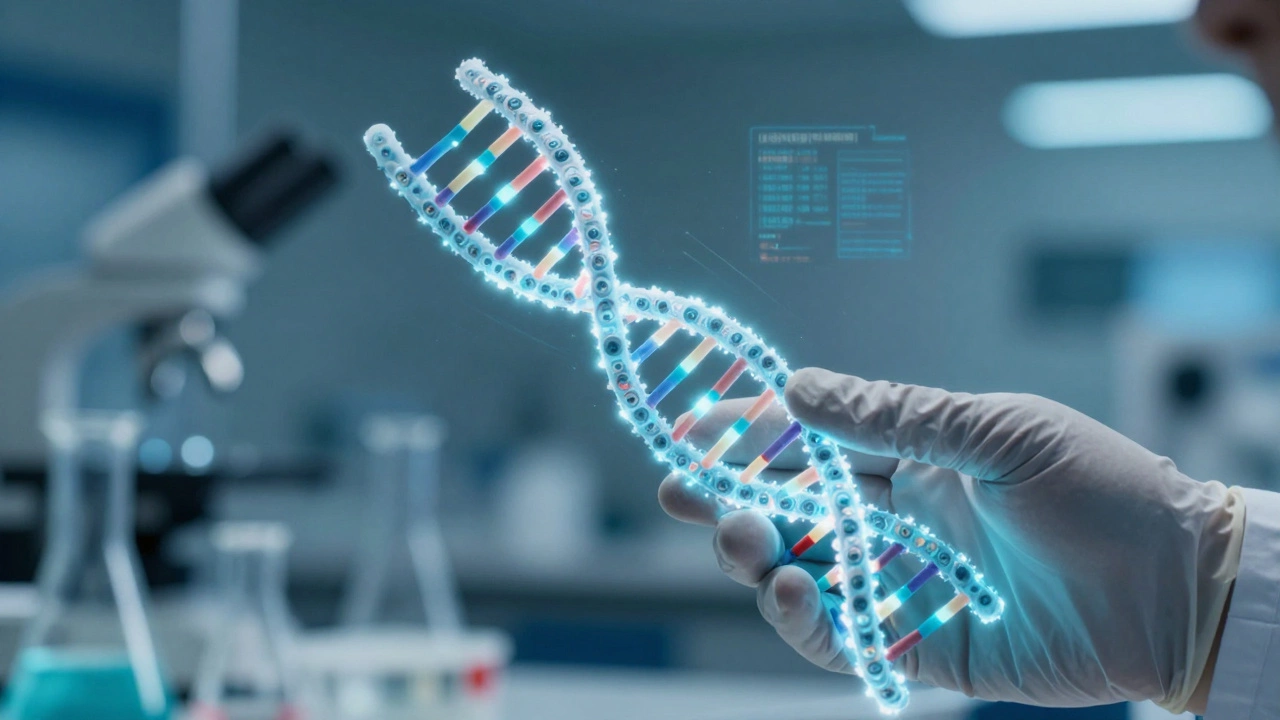
The biggest leap in modern biotech is our ability to edit genetic material with surgical precision. Before the mid-2010s, changing a specific gene was like trying to replace a single word in a book by burning down the library and hoping the rest survived. Then came CRISPR-Cas9, a revolutionary gene-editing tool derived from bacterial immune systems.
CRISPR allows scientists to cut and paste DNA sequences with incredible accuracy. This has moved beyond theory into clinical reality. In 2023, regulatory bodies approved therapies using CRISPR to treat sickle cell disease and beta-thalassemia. These conditions cause severe anemia and pain crises, often requiring frequent blood transfusions. With CRISPR-based treatments, doctors can edit a patient’s own stem cells to produce healthy hemoglobin, effectively curing the disease after a single infusion.
This isn't just about rare diseases. Researchers are now exploring CRISPR for common ailments like heart disease and cancer. By editing immune cells (a process called CAR-T therapy) to recognize and attack tumors more effectively, we are seeing remission rates in previously untreatable cancers. The technology is fast, cheap, and accessible, democratizing genetic engineering much like personal computers democratized computing.
The mRNA Revolution: Vaccines in Weeks, Not Years
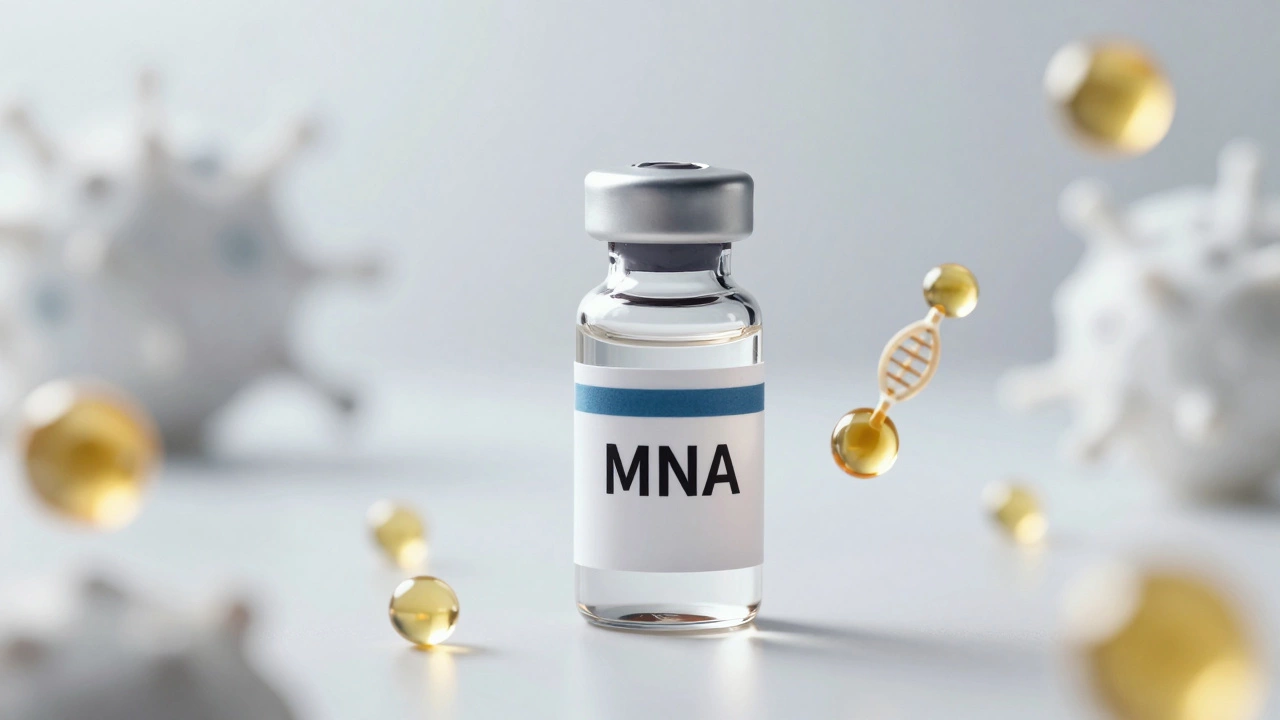
If there is one event that proved biotech's power to the general public, it is the rapid development of mRNA vaccines. Messenger RNA (mRNA) is a molecule that carries instructions from DNA for making proteins. For decades, mRNA was considered too unstable to be useful. But advances in lipid nanoparticles-tiny fat bubbles that protect the mRNA and deliver it into cells-changed everything.
During the pandemic, this platform allowed developers to create effective vaccines in under a year. Traditional vaccine methods, which involve growing viruses in eggs or cells, take years. mRNA platforms are modular. You simply swap out the genetic code for the target pathogen. This speed saved millions of lives.
Now, the technology is expanding far beyond infectious diseases. Pharma companies are testing mRNA vaccines for cancer, teaching the body’s immune system to identify and destroy tumor-specific antigens. Early trials for melanoma and pancreatic cancer show promising results. We are also seeing mRNA therapies being developed for genetic disorders, where the goal is not to fight a virus, but to instruct the body to produce a missing protein.
Precision Agriculture: Feeding the Future
You might associate biotech with hospitals, but its impact on your plate is equally profound. Global population growth and climate change have put immense pressure on food systems. Precision agriculture uses biotechnological tools to enhance crop yield, resilience, and nutritional value.
Gone are the days when farmers relied solely on weather luck and heavy pesticide use. Today, crops are engineered for specific traits. Rice varieties resistant to blast fungus save harvests in Asia. Soybeans designed to withstand herbicides reduce soil tillage, preserving topsoil health. Perhaps most exciting is biofortification. Golden Rice, enriched with beta-carotene to prevent blindness in vitamin A-deficient regions, is a prime example of nutrition-focused biotech.
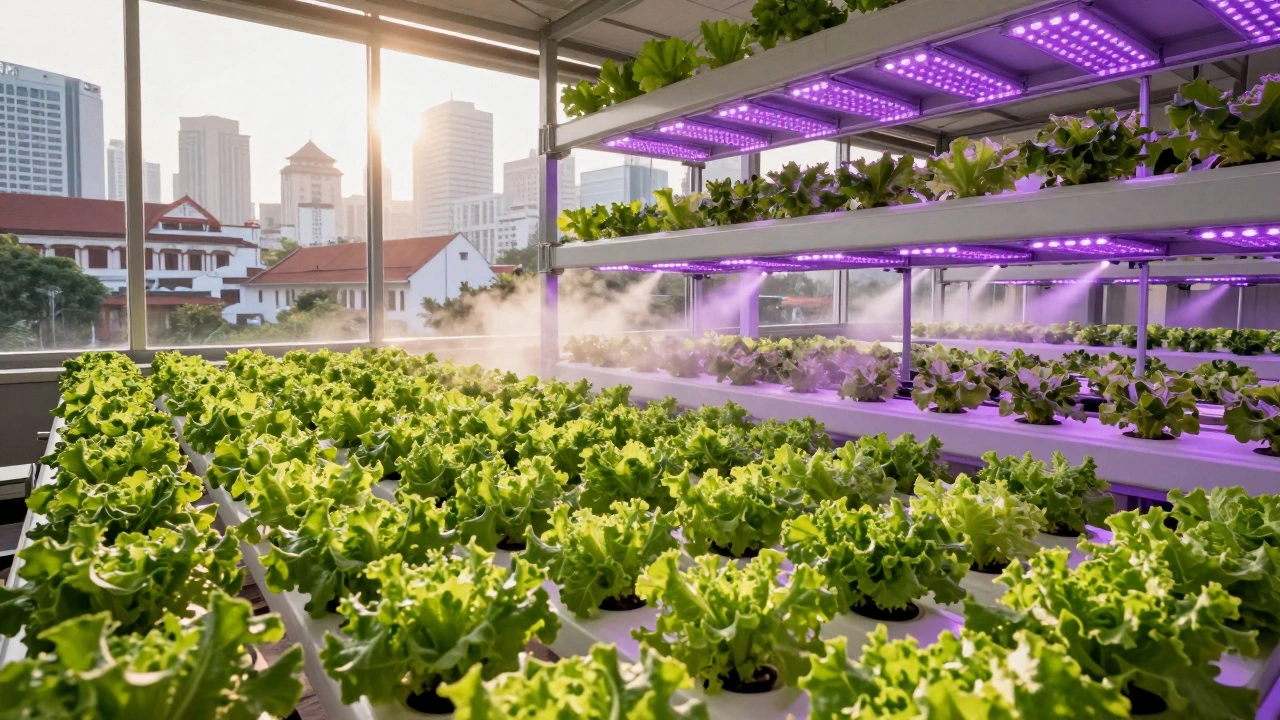
We are also seeing the rise of vertical farming combined with biotech seeds optimized for indoor environments. These plants grow faster, require less water, and eliminate the need for chemical pesticides. As urbanization increases, bringing food production closer to consumers through controlled-environment agriculture reduces carbon footprints significantly.
Synthetic Biology: Manufacturing Without Mining
Traditionally, we extract resources from the earth-drilling for oil, mining for metals, harvesting timber. Synthetic biology is an interdisciplinary field combining biology and engineering to design new biological parts and devices. It turns microbes into microscopic factories.
Consider spider silk. It’s stronger than steel and lighter than nylon, but raising spiders for harvest is impractical. Synthetic biologists have inserted spider silk genes into yeast and bacteria. These microbes ferment sugars and excrete silk proteins, which are then spun into fibers. Companies are already producing sustainable textiles and medical sutures from this lab-grown silk.
Biofuels are another major area. Instead of burning fossil fuels, we can engineer algae to produce high-density oils that convert directly into jet fuel or diesel. This approach captures carbon dioxide during growth, potentially creating a carbon-neutral energy cycle. Additionally, bioplastics made from corn starch or bacterial cellulose offer biodegradable alternatives to petroleum-based plastics, addressing the global waste crisis.
Personalized Medicine: One Size Does Not Fit All
Historically, medicine was reactive and generic. If you had high blood pressure, you took the same pill as everyone else. If it didn’t work, you switched to another guess. Personalized medicine tailors medical treatment to the individual characteristics of each patient, largely driven by genomic sequencing.
The cost of sequencing a human genome has dropped from over $100 million in 2001 to under $1,000 today. This data deluge allows doctors to predict disease risk before symptoms appear. Pharmacogenomics analyzes how your genes affect drug response. For instance, certain variants in the CYP2C19 gene mean some patients cannot metabolize clopidogrel (a heart medication) effectively, rendering it useless. Knowing this beforehand prevents strokes and heart attacks.
Oncology has been transformed by this approach. Tumors are sequenced to identify specific mutations driving their growth. Targeted therapies then attack only those mutated cells, sparing healthy tissue and reducing harsh side effects like nausea and hair loss associated with traditional chemotherapy. This shift from “disease-centric” to “patient-centric” care improves outcomes and quality of life dramatically.
Ethical Frontiers and Regulatory Challenges
With great power comes great responsibility. The ability to edit genes raises ethical questions that society must address. Germline editing-changing genes in embryos that will be passed to future generations-is currently banned in many countries due to the risk of unintended consequences and the potential for “designer babies.”
Data privacy is another concern. Your genetic information is uniquely identifiable. Who owns this data? How is it protected from misuse by insurers or employers? Robust legal frameworks are needed to ensure equity and safety. Additionally, the accessibility of these advanced therapies remains a challenge. High costs can limit access to wealthy nations, exacerbating global health disparities. Ensuring that biotech benefits all of humanity, not just a privileged few, is the next critical mission.
| Technology | Primary Application | Key Benefit |
|---|---|---|
| CRISPR-Cas9 | Gene Editing | Cures genetic diseases at the source |
| mRNA Platforms | Vaccines & Therapeutics | Rapid development against emerging threats |
| Precision Agriculture | Crop Engineering | Increased yield with fewer chemicals |
| Synthetic Biology | Manufacturing | Sustainable production of materials and fuels |
| Genomic Sequencing | Personalized Medicine | Tailored treatments based on individual genetics |
Looking Ahead: The Next Decade of Biotech
We are standing on the brink of even more radical changes. Organoids-miniature, simplified versions of organs grown in labs-are helping researchers study diseases and test drugs without animal models. Brain-computer interfaces, enhanced by biocompatible materials, are restoring movement and speech to paralyzed individuals.
Artificial intelligence is accelerating biotech discovery. AI models can predict protein structures (like AlphaFold did), speeding up drug design from years to months. As these technologies converge, the line between biology and technology will blur further. The revolution isn't just happening; it's accelerating. Understanding these shifts helps us prepare for a world where biology is no longer just something we inherit, but something we can shape.
What exactly is biotechnology?
Biotechnology is the application of scientific and engineering principles to living organisms to develop useful products. It ranges from traditional practices like brewing beer to advanced techniques like editing human genes with CRISPR.
Is CRISPR safe for humans?
CRISPR is highly precise, but risks exist, such as off-target edits where unintended parts of the genome are changed. Current approved therapies focus on somatic cells (non-reproductive), meaning changes aren't passed to offspring, minimizing long-term genetic risks.
How do mRNA vaccines work differently from traditional ones?
Traditional vaccines introduce weakened or dead pathogens to trigger an immune response. mRNA vaccines provide instructions for your cells to make a harmless piece of the virus's surface protein, prompting your immune system to build defenses without exposing you to the actual virus.
Can biotechnology solve world hunger?
While not a silver bullet, biotech plays a crucial role. Drought-resistant and pest-resistant crops increase yields in harsh climates. Biofortified foods improve nutrition. Combined with sustainable farming practices, it helps stabilize food supplies amidst climate change.
What is synthetic biology?
Synthetic biology involves designing and constructing new biological parts or systems. It treats biology like engineering, using microbes as factories to produce fuels, medicines, and materials sustainably, reducing reliance on fossil fuels and extraction.
Why is personalized medicine important?
People respond differently to drugs due to genetic variations. Personalized medicine uses genetic data to tailor treatments, improving efficacy, reducing side effects, and preventing adverse reactions, leading to better health outcomes and lower healthcare costs.
Are GMOs safe to eat?
Extensive research by organizations like the WHO and FDA confirms that genetically modified organisms (GMOs) currently on the market are safe to consume. They undergo rigorous testing for allergens and toxicity before approval.
What are the ethical concerns of gene editing?
Major concerns include germline editing (changes passed to future generations), potential for eugenics or "designer babies," unequal access to expensive therapies, and unintended ecological impacts if edited organisms escape into the wild.