Does Biotechnology Have a Future? Real-World Impact and Trends
 Oct, 9 2026
Biotech Efficiency & Impact Estimator
Explore how the shift from trial-and-error to data-driven iteration is reshaping the biotech landscape. Adjust the parameters below to see projected efficiency gains.
Project Parameters
Projected Outcomes
Ready| Metric | Traditional Method | AI-Assisted / Modern Biotech |
|---|---|---|
| Select parameters and click "Calculate Impact" to view projections. | ||
You might be wondering if the hype around biotechnology is just another bubble waiting to burst. After all, we've heard promises about curing cancer and growing meat in labs for decades. But here's the thing: the field isn't just surviving; it's fundamentally reshaping how we produce food, medicine, and materials. If you look past the headlines, the data shows a sector that has moved from experimental curiosity to industrial powerhouse. The question isn't whether biotech has a future-it's how quickly it will overtake traditional chemical manufacturing.
The Shift from Discovery to Deployment
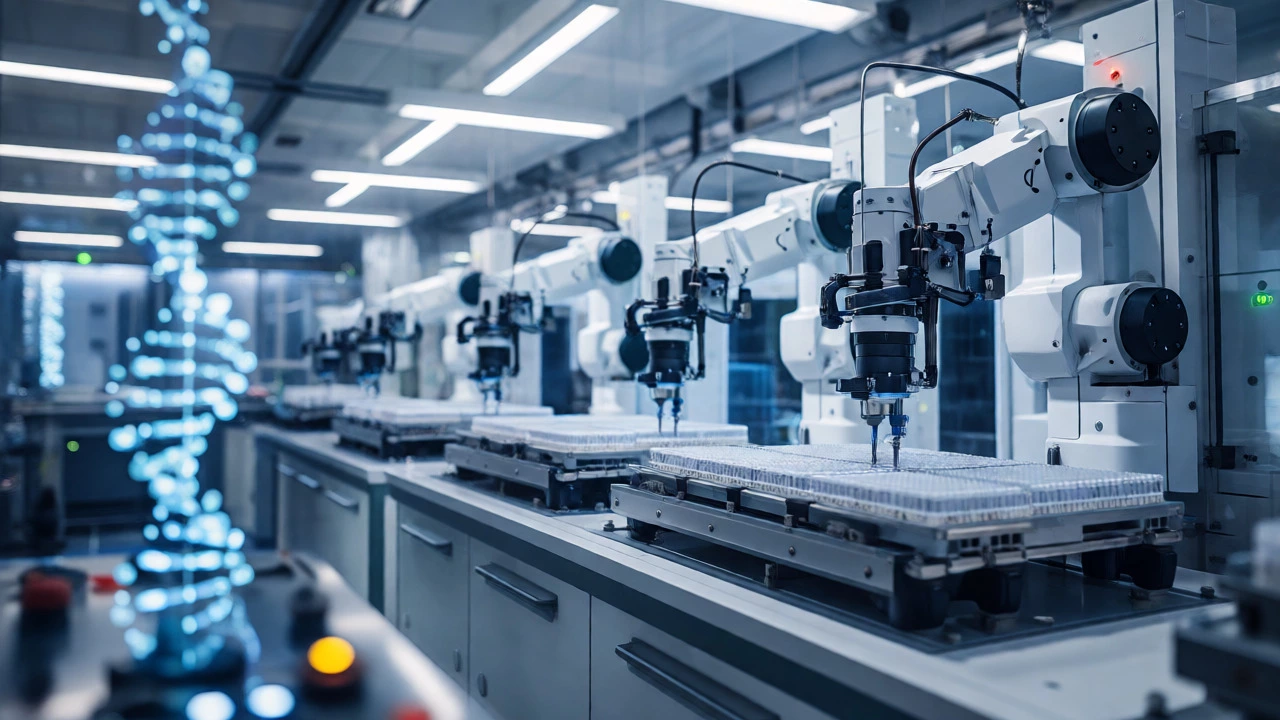
For years, biotech was stuck in the "valley of death"-that gap between a promising lab result and a market-ready product. That gap is closing fast. Why? Because the tools have changed. We no longer rely on slow, trial-and-error methods. Instead, we use high-throughput screening and automated workflows that can test millions of biological variations in days, not years. This shift means companies are failing faster and cheaper, allowing them to pivot before burning through their entire budget. It’s less about one big breakthrough and more about rapid iteration.
Consider the cost curve. In 2001, sequencing a human genome cost nearly $100 million. Today, it’s under $600. That kind of price drop doesn’t just help researchers; it enables consumer products like personalized nutrition plans and early disease detection kits. When technology becomes this cheap, it stops being a luxury for hospitals and starts becoming a utility for households. That’s when real adoption happens.
Synthetic Biology Is Changing Manufacturing
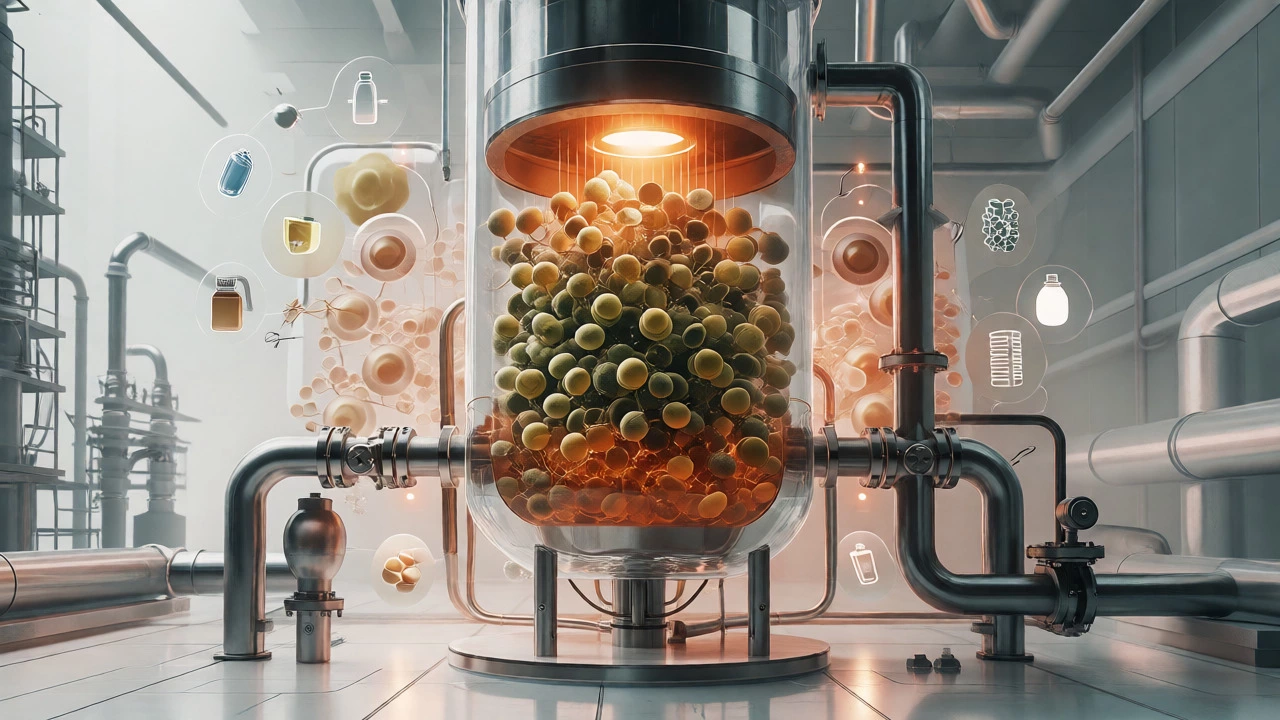
If you think biotech is only about pills and injections, you’re missing half the picture. Synthetic biology is turning living cells into tiny factories. Imagine brewing beer, but instead of yeast making alcohol, you engineer microbes to produce spider silk proteins, vanilla flavoring, or even jet fuel. This process, known as fermentation-derived production, uses sugar or agricultural waste as feedstock. It’s cleaner, uses less water, and doesn’t require vast tracts of farmland.
Companies like Ginkgo Bioworks are already selling these engineered strains to other manufacturers. They design the DNA, and the client grows the product. This model lowers the barrier to entry for new materials. You don’t need a massive oil refinery to make plastics anymore; you just need a tank and the right bacteria. This decentralization of production is a key reason why the industry’s growth projections remain robust through 2030.
Gene Editing Moves Beyond Medicine
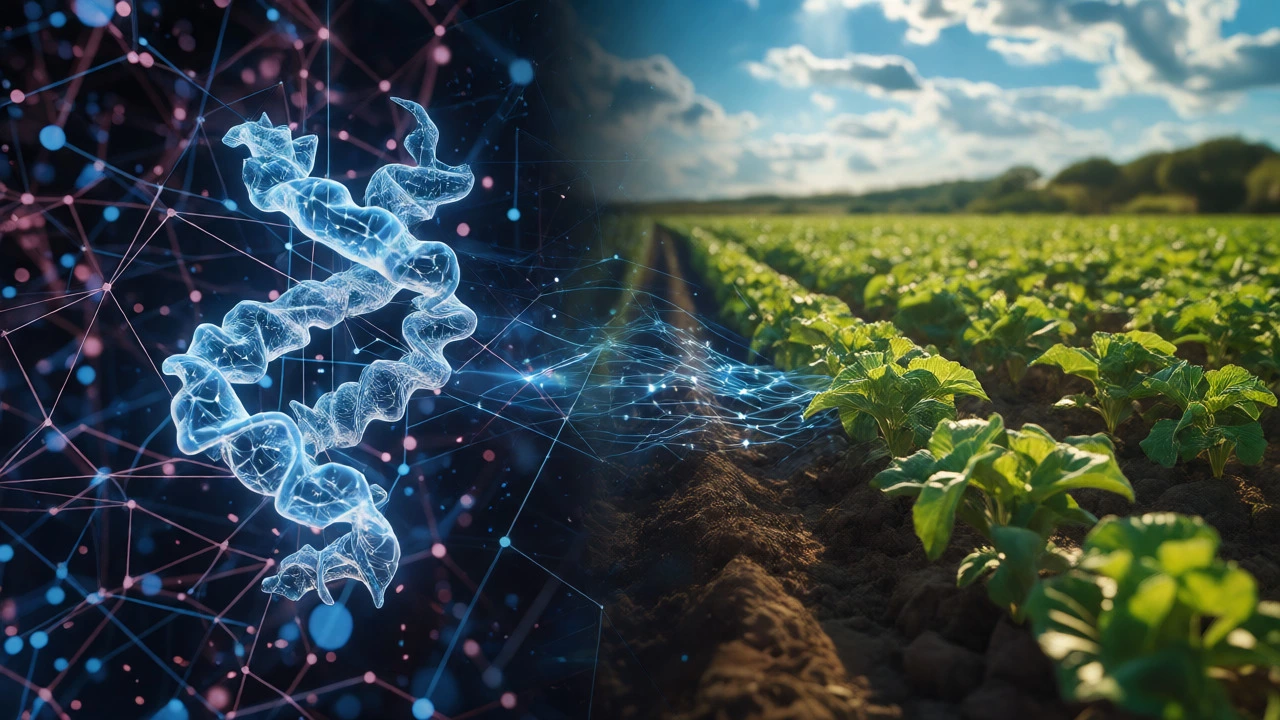
CRISPR-Cas9, the most famous gene-editing tool, is often discussed in the context of curing genetic diseases. And yes, therapies like Casgevy for sickle cell disease are game-changers. But the long-term economic impact might actually come from agriculture. Drought-resistant crops edited to thrive in hotter climates aren’t just nice-to-haves; they’re necessities as weather patterns become unpredictable.
Unlike genetically modified organisms (GMOs) of the past, which often involved inserting foreign genes, modern gene editing can tweak existing DNA without adding external material. This distinction matters for regulation and public acceptance. In regions with strict GMO laws, gene-edited crops face fewer hurdles. As climate stress increases, farmers are increasingly willing to adopt seeds that guarantee yield stability, regardless of rainfall. This creates a steady demand pipeline that isn’t dependent on healthcare budgets.
The AI-Biotech Convergence
Biology generates massive amounts of data. Protein structures, genomic sequences, metabolic pathways-it’s too much for humans to analyze manually. Enter artificial intelligence. AlphaFold, developed by DeepMind, predicted the 3D structures of nearly every known protein. This wasn’t just an academic exercise; it accelerated drug discovery timelines significantly. Researchers used to spend months figuring out how a drug molecule fits into a target protein. Now, they start with a highly accurate prediction.
| Metric | Traditional Method | AI-Assisted Method |
|---|---|---|
| Average Time to Preclinical Candidate | 4-5 years | 1-2 years |
| Cost per Candidate | $10-$20 million | $1-$5 million |
| Success Rate in Trials | ~10% | ~15-20% (projected) |
This efficiency attracts venture capital. Investors love lower risk and faster returns. While AI doesn’t replace wet-lab experiments, it filters out the bad ideas early. That’s crucial because the majority of drug candidates fail in late-stage trials due to toxicity or lack of efficacy. Catching those issues earlier saves billions.
Regulatory Hurdles Are Still Real
It’s not all smooth sailing. Regulation remains the biggest bottleneck. Different countries have different rules for what counts as a "food," a "drug," or a "chemical." For example, cultured meat is approved in Singapore and the US, but banned in Italy. This fragmentation slows down global scaling. Companies have to navigate a patchwork of standards, which increases compliance costs.
Moreover, public trust is fragile. One safety scare can set the industry back years. Remember the controversy surrounding certain GMO labels? Even if the science says it’s safe, perception drives policy. Biotech firms are now investing heavily in transparency and consumer education. They’re publishing open-source data and partnering with local farmers to show real-world benefits. It’s a defensive strategy, but a necessary one.
Economic Viability in a High-Interest Environment
Biotech is capital-intensive. Developing a new therapy requires hundreds of millions of dollars before revenue hits. In low-interest-rate environments, money is cheap, and investors tolerate long waits. But as interest rates rise, patience wears thin. We’ve seen layoffs in major biopharma companies as they cut non-core projects. However, this correction is healthy. It forces companies to focus on viable business models rather than chasing moonshots without a path to profitability.
Those that survive are diversifying. They’re licensing their platforms to other industries, creating recurring revenue streams. A company that sells enzyme solutions to detergent makers has steadier cash flow than one betting everything on a single drug candidate. This financial resilience suggests the sector is maturing, not collapsing.
What This Means for Your Career or Investment
If you’re looking at jobs, skills in bioinformatics, automation engineering, and regulatory affairs are in high demand. Wet-lab skills alone aren’t enough anymore; you need to understand data. For investors, look for companies with platform technologies-those that can apply their core tech to multiple problems. A company that can edit genes for both crops and livestock has more optionality than one focused solely on rare diseases.
The future of biotechnology isn’t about sci-fi scenarios like cloning dinosaurs. It’s about incremental improvements in health, sustainability, and production efficiency. It’s boring in the best way possible: reliable, scalable, and increasingly invisible as it integrates into everyday life. From the insulin in your fridge to the plastic in your phone case, biotech is already here. The next decade will just make it more obvious.
Is biotechnology profitable?
Yes, but profitability varies by sub-sector. Large pharmaceutical companies generate significant profits from blockbuster drugs, while smaller biotech startups often operate at a loss until they achieve commercial success or get acquired. Industrial biotech, which produces enzymes and materials, tends to have more stable margins due to established supply chains.
Will AI replace biologists?
No, AI will augment biologists. While algorithms can predict protein structures and analyze genomic data, they cannot perform physical experiments, interpret complex biological contexts, or design novel hypotheses without human guidance. The role of a biologist is shifting towards managing data pipelines and validating AI predictions in the lab.
What is the difference between GMO and gene editing?
Traditional GMOs involve inserting foreign DNA from another species into an organism’s genome. Gene editing, using tools like CRISPR, allows scientists to modify an organism’s existing DNA precisely without necessarily introducing foreign genetic material. This makes gene-edited organisms indistinguishable from naturally mutated ones in many cases.
How does biotechnology help the environment?
Biotechnology reduces environmental impact by replacing petrochemical processes with biological ones. Fermentation-based manufacturing uses less energy and water compared to traditional chemical synthesis. Additionally, biodegradable bioplastics and biofuels offer sustainable alternatives to petroleum-based products, helping to reduce carbon emissions and plastic pollution.
Are there ethical concerns with biotechnology?
Yes, major concerns include equity of access to expensive therapies, potential ecological impacts of releasing gene-edited organisms, and privacy issues related to genetic data. Ethical frameworks are evolving alongside the technology, with ongoing debates about germline editing and the ownership of biological resources.