Best Renewable Energy Source: Solar vs Wind vs Hydro
 Oct, 13 2026
Renewable Energy Matchmaker
Answer these questions to see which renewable energy source is most suitable for your specific context.
Solar PV
85% MatchBased on your inputs, this source offers the best balance of cost and feasibility.
Suitability Breakdown
There is no single "best" renewable energy source that works perfectly everywhere. If someone tells you solar is always superior to wind, or vice versa, they are oversimplifying a complex grid reality. The answer depends entirely on where you live, what your energy needs look like, and how much storage you have available. In 2026, the global conversation has shifted from simply generating clean power to managing reliability and cost-efficiency across different regions.
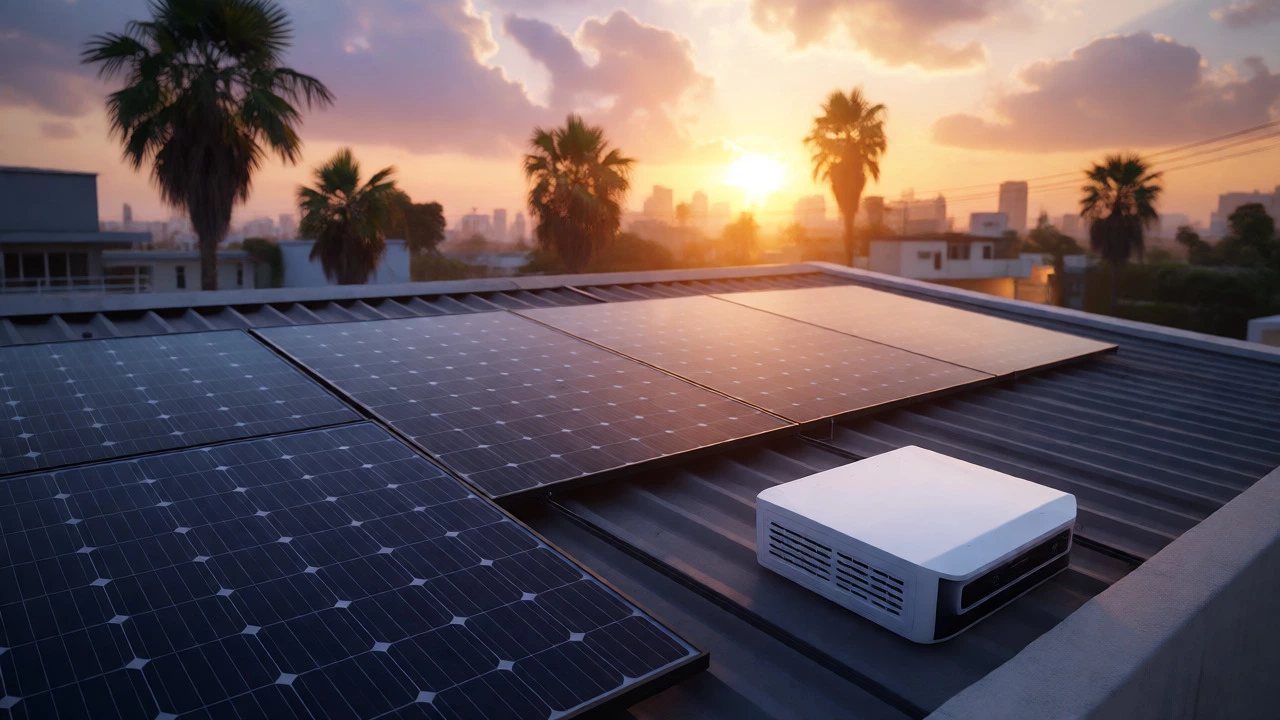
Think of it like choosing a vehicle. A sports car is the best for racing, but terrible for hauling lumber. Similarly, solar photovoltaic (PV) is a technology that converts sunlight directly into electricity using semiconductor materials, making it ideal for distributed residential use in sunny climates. However, it struggles at night without batteries. Meanwhile, wind energy harnesses kinetic energy from air currents, offering higher capacity factors in coastal or high-altitude areas but requiring significant land space and facing visual impact concerns.
The Case for Solar Power
Solar has seen the most dramatic cost reduction in history. According to data from the International Renewable Energy Agency (IRENA), the levelized cost of electricity (LCOE) for utility-scale solar PV dropped by nearly 90% between 2010 and 2023. This makes it the cheapest source of new electricity generation in most parts of the world today. For homeowners in places like Liverpool, rooftop solar is often the most accessible entry point. You install panels, generate power during the day, and offset your grid usage immediately.
However, solar has a major limitation: intermittency. It doesn't work when the sun isn't shining. Without battery storage systems like lithium-ion packs, excess daytime energy goes to waste or is sold back to the grid at lower rates. Recent advancements in perovskite solar cells promise higher efficiency rates, potentially pushing conversion efficiencies above 30%, which could change the game further. But for now, standard silicon panels remain the dominant technology due to their proven longevity and manufacturing scale.
Wind Energy's Strengths and Weaknesses
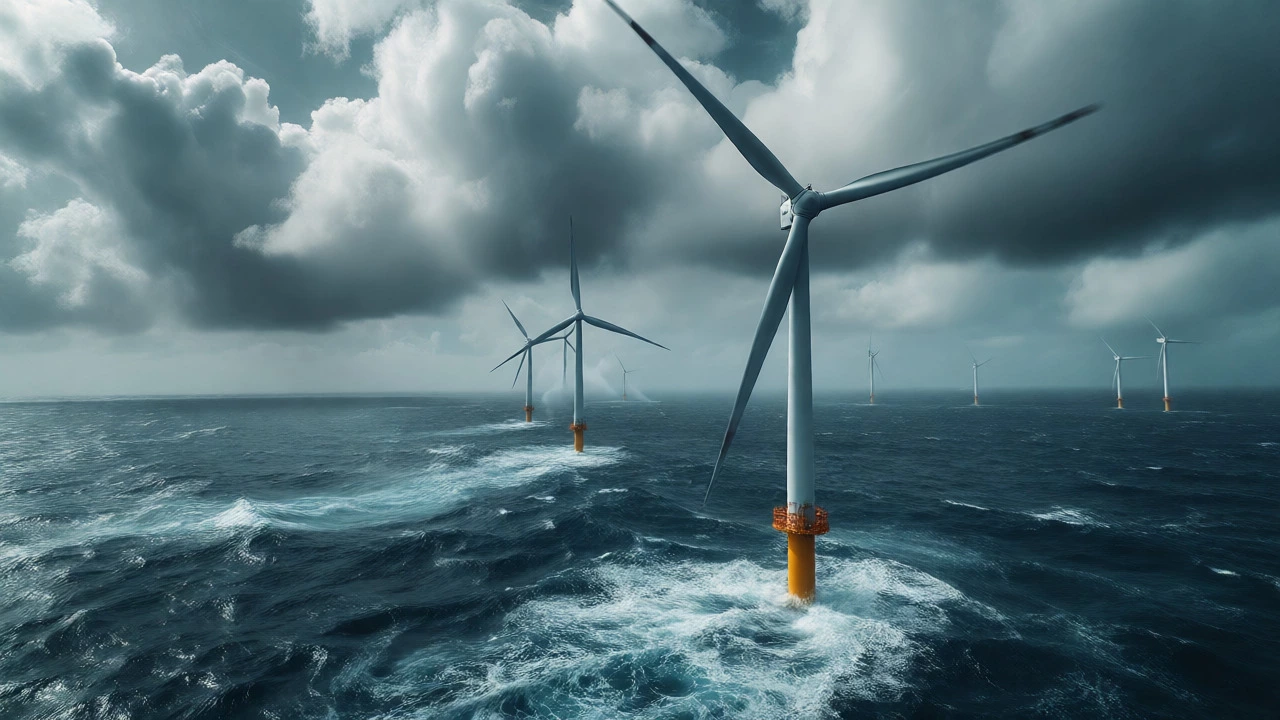
Wind turbines capture energy from moving air masses. Onshore wind farms are mature technologies with high capacity factors-often exceeding 40-50% in prime locations like the UK North Sea coast. Offshore wind, while more expensive to build, offers stronger and more consistent winds. The Hornsea Project in the UK, for example, generates enough electricity to power millions of homes.
The main drawback? Location specificity. You can't put a wind farm just anywhere. It requires specific wind speeds and landscape considerations. Noise pollution and bird migration patterns also create regulatory hurdles. Unlike solar, which can be installed on almost any roof, wind infrastructure is large, industrial, and community-dependent. If you live in a city center, you likely won't see a turbine nearby, but you might benefit from offshore wind feeding the national grid.
Hydroelectricity: The Reliable Baseload
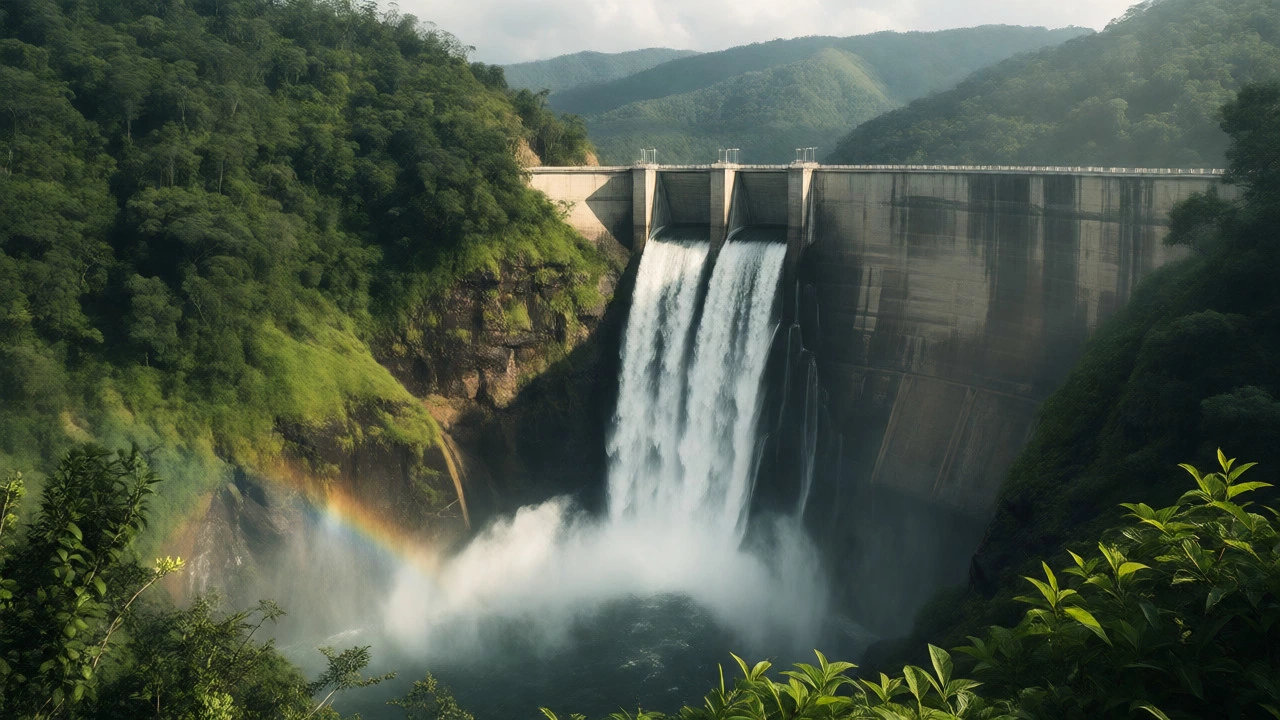
Hydropower is energy derived from the movement of water, typically through dams or river flows. It remains the largest source of renewable electricity globally. Why? Because it provides baseload power-consistent, reliable output that doesn't depend on weather conditions in the same way solar and wind do. Pumped-storage hydropower acts as a giant battery, storing energy by pumping water uphill when demand is low and releasing it when demand peaks.
But we've already dammed most of the easy rivers. New large-scale hydro projects face severe environmental backlash due to ecosystem disruption and methane emissions from reservoirs. Small run-of-river hydro systems offer a greener alternative but produce less power. In mountainous regions like Scotland or Norway, hydro is indispensable. In flatlands, it's barely viable.
Geothermal and Biomass: Niche but Vital
Geothermal energy taps heat from the Earth's core. Iceland gets over 25% of its electricity from geothermal sources because it sits on volcanic activity. Elsewhere, enhanced geothermal systems (EGS) are being tested to unlock this resource in non-volcanic regions. It's incredibly stable but geographically limited.
Biomass burns organic material like wood pellets or agricultural waste. It's carbon-neutral in theory but controversial in practice due to deforestation concerns and particulate emissions. It's useful for heating in rural areas where gas pipelines don't reach, but it's rarely the "best" choice for large-scale urban grids.
| Feature | Solar PV | Onshore Wind | Offshore Wind | Hydropower |
|---|---|---|---|---|
| Average Cost (USD/MWh) | $20-$40 | $30-$50 | $70-$100 | $40-$80 |
| Capacity Factor | 15-25% | 35-50% | 45-60% | 40-90% |
| Land Use Efficiency | High (rooftops) | Medium | N/A (Ocean) | Low (Reservoirs) |
| Intermittency | High (Day/Night) | Medium | Low-Medium | Low (Baseload) |
| Best For | Residential, Sunny Regions | Rural, Windy Areas | Coastal Nations | Mountainous Regions |
Context Is King: Why There Is No Universal Winner
If you live in Arizona, solar is arguably the best renewable energy source for you. The sun shines intensely year-round, and installation costs are low. If you live in Northern Europe, offshore wind makes more sense. The North Sea provides powerful, consistent winds, and governments heavily subsidize offshore infrastructure. In Brazil, hydropower dominates because of the Amazon basin's massive water resources.
This geographic dependency means "best" is relative. A mixed portfolio is usually the smartest approach for national grids. Relying solely on one source creates vulnerability. If a cloudy week hits a solar-heavy grid without adequate storage, blackouts occur. Conversely, a calm period in a wind-dominated region causes similar issues. Diversification smooths out these fluctuations.
The Role of Storage Technology
You cannot discuss the best renewable source without mentioning storage. Batteries, particularly lithium-ion, have become cheaper and more efficient. They allow solar to provide evening power and wind to cover calm periods. Green hydrogen is emerging as a long-duration storage solution, converting excess renewable electricity into hydrogen fuel for later use. While still expensive, pilot projects in Germany and Japan show promise for seasonal storage.
Without storage, even the cheapest renewable becomes unreliable. With advanced storage, intermittent sources become dispatchable. This shifts the metric from "cost per megawatt-hour generated" to "cost per megawatt-hour delivered reliably." In this context, hybrid systems-like solar plus battery-are increasingly competitive with traditional fossil fuels.
Environmental Impact Beyond Carbon
All renewables have footprints. Solar panel production involves mining silica and silver, creating toxic waste if not managed properly. Wind turbines require steel and rare earth magnets, often mined in China with environmental consequences. Hydropower alters river ecosystems and fish migration paths. Life-cycle assessments show that solar and wind still emit far less CO2 than coal or gas, but local ecological impacts must be weighed against global climate benefits.
In the UK, for instance, balancing biodiversity protection with energy expansion is a key policy challenge. Offshore wind farms must avoid disrupting marine life, while onshore projects navigate planning objections regarding landscape aesthetics. These social and environmental factors influence which source is "best" for a specific community, beyond pure economics.
What Should You Choose?
For individual households, rooftop solar combined with a home battery is often the most practical step toward energy independence. It reduces bills immediately and increases property value. For businesses, corporate power purchase agreements (PPAs) for wind or solar farms offer stability against volatile energy markets. Governments should prioritize grid modernization and interconnection capacity to integrate diverse renewable sources effectively.
Don't chase a mythical perfect source. Look at your local climate, incentives, and consumption patterns. The best renewable energy is the one that fits your specific context while contributing to a resilient, diversified grid.
Which renewable energy is cheapest right now?
Utility-scale solar photovoltaic (PV) is generally the cheapest form of new electricity generation in most regions, followed closely by onshore wind. Costs vary by location, but recent trends show solar LCOE dropping below $30/MWh in sunny areas.
Is solar or wind better for home use?
Solar is usually better for homes because panels fit on roofs and operate quietly. Small wind turbines are inefficient in urban settings due to turbulent airflow around buildings. However, in rural areas with strong winds, small wind systems can complement solar.
Why isn't hydropower used more widely?
Most suitable sites for large dams are already developed. New projects face strict environmental regulations due to impacts on river ecosystems and fish populations. Additionally, climate change affects rainfall patterns, making some existing hydro facilities less predictable.
Can renewable energy replace fossil fuels completely?
Yes, technically. Studies suggest 100% renewable grids are feasible with sufficient storage, grid expansion, and demand-side management. The barrier is political will and infrastructure investment, not technological impossibility.
What is the role of nuclear in this mix?
While not renewable, nuclear provides low-carbon baseload power that complements intermittent renewables like solar and wind. Many experts advocate for a mix including nuclear to ensure grid stability during transition periods.