5 Real-World Examples of Public Participation in Health
 Sep, 25 2026
Public Health Participation Simulator
Select a scenario below to see how involving the community changes the outcome compared to traditional methods.
Comparison Analysis
Select a scenario and click "Simulate Outcomes" to view the comparison.
Imagine you're trying to fix a leaky roof. You could hire a contractor who works behind closed doors, or you could ask your neighbors what leaks they've noticed and which repairs actually held up during the last storm. In public health, that second approach is public participation. It’s not just about telling people what to do; it’s about letting them shape how health systems work. When communities are involved, outcomes improve because solutions fit local realities rather than top-down assumptions.
You might think this sounds nice in theory but messy in practice. But look at the data. The World Health Organization has long argued that involving citizens isn't optional-it's essential for sustainable healthcare. Why? Because trust matters. If people don't understand why a vaccination campaign is happening or how their clinic budget is spent, they disengage. So, what does this actually look like on the ground? Let's break down five concrete examples where public participation changed the game.
Citizen Science in Disease Surveillance
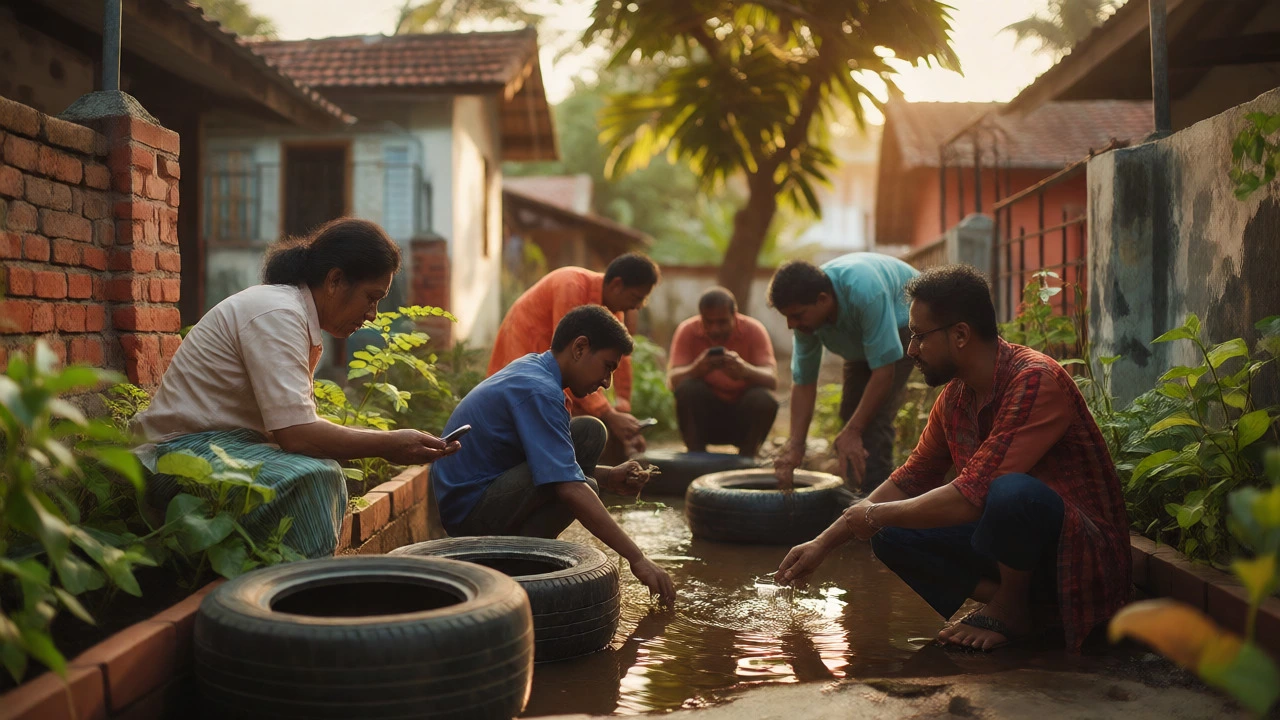
Citizen science turns everyday people into data collectors. Think about tracking mosquito-borne diseases like dengue or Zika. Researchers can’t be everywhere at once. But residents can check standing water in their backyards and report sightings via an app. This isn't just volunteering; it's distributed sensing.
In Brazil, projects like Mosquito Alert have shown that community-reported data can identify hotspots faster than traditional government surveys. The speed here is critical. By the time official labs confirm an outbreak, the virus may have already spread. Citizen inputs provide early warning signals. For participants, it creates a sense of ownership. They aren't passive victims of disease; they are active defenders of their neighborhood's health.
- Low barrier to entry: Requires only a smartphone and basic observation skills.
- Scalability: Thousands of users can contribute simultaneously without extra staff costs.
- Data quality: Often validated by experts before being used in models, ensuring reliability.
Patient Advocacy Groups Shaping Policy
Sometimes, the most powerful voice comes from those living with a condition. Patient advocacy groups are organized bodies formed by patients and families to influence health decisions. Unlike random complaints, these groups bring structure, evidence, and collective bargaining power.
Take the HIV/AIDS movement of the 1980s and 90s. Activists didn't just protest; they educated themselves on clinical trials and demanded seats at the table. Today, groups like the American Cancer Society or local rare disease foundations review grant applications and treatment guidelines. They ensure that research priorities align with patient needs, such as focusing on side effect management rather than just survival rates. This shifts the dynamic from "doctor knows best" to "we know together."
| Feature | Traditional Feedback | Patient Advocacy Groups |
|---|---|---|
| Structure | Individual, sporadic comments | Organized, consistent representation |
| Influence Level | Reactive (after issues arise) | Proactive (shaping initial policies) |
| Expertise | Limited to personal experience | Mixed lived experience and technical knowledge |
| Outcome | Minor service adjustments | Systemic policy changes and funding shifts |

Community Health Worker Programs
Not everyone trusts a hospital in a white coat. That’s where community health workers (CHWs) come in. These are trusted laypeople recruited from the communities they serve. They bridge the gap between formal healthcare systems and marginalized populations.
In rural India, ASHA (Accredited Social Health Activist) workers visit homes to encourage antenatal care and immunizations. Because they speak the local dialect and share cultural norms, their advice carries weight. A doctor’s instruction might feel abstract, but a neighbor’s reminder feels personal. CHWs also feed information back up the chain, reporting barriers like transportation issues or stigma that prevent people from seeking care. This two-way flow makes the system responsive.
Participatory Budgeting in Local Clinics
Money talks, and usually, it speaks in bureaucratic jargon. Participatory budgeting lets residents decide how a portion of their local health budget is spent. Instead of city hall guessing whether to buy new MRI machines or hire more nurses, the community votes.
In Porto Alegre, Brazil, this model started in sanitation and moved to health. Residents identified that preventive care was underfunded compared to emergency rooms. By reallocating funds toward nutrition programs and screenings, they reduced hospital admissions over time. This transparency builds trust. When people see their input leading to tangible changes-like a new playground for physical activity-they stay engaged. It transforms taxpayers into stakeholders.
Co-Designing Digital Health Tools
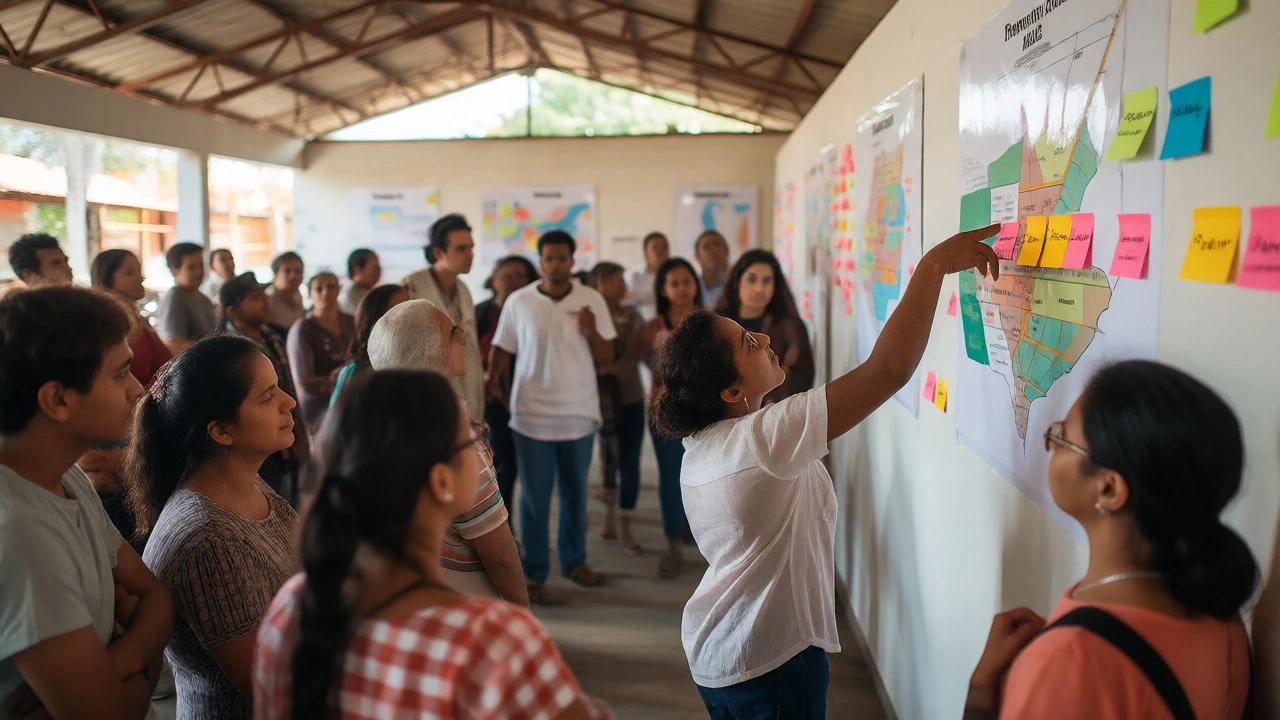
We live in an era of apps, but many fail because developers didn't ask users what they needed. Co-design involves end-users in the creation process from day one. Patients, caregivers, and clinicians sketch interfaces and test prototypes together.
Consider diabetes management apps. Engineers might prioritize sleek charts, but patients often struggle with complex logging. Through co-design workshops, teams realized that simple photo uploads of meals worked better than manual calorie counting. This user-centered approach reduces abandonment rates. Tools built with input from actual users are adopted faster and used more consistently. It’s a reminder that technology should serve human behavior, not force humans to adapt to bad design.
Why Does This Matter Now?
Health challenges are getting more complex. Chronic diseases require long-term management, not quick fixes. Antibiotic resistance demands global cooperation. Climate change affects health disparities. None of these problems can be solved by experts alone. We need the eyes, ears, and hands of the public.
When you participate, you’re not just helping others; you’re improving your own environment. Whether it’s joining a board meeting, downloading a tracking app, or supporting a local advocacy group, your involvement adds value. It makes health systems more resilient, equitable, and effective.
What is the difference between public participation and public consultation?
Consultation is when authorities ask for opinions after a plan is drafted. Participation implies deeper engagement where citizens help shape the problem definition and solution design from the start. Consultation informs decision-makers; participation shares power.
How can I get involved in public health initiatives locally?
Start by checking your local health department’s website for upcoming town halls or advisory boards. You can also volunteer with community clinics, join patient support groups, or participate in citizen science projects related to environmental health.
Does public participation really improve health outcomes?
Yes. Studies show that interventions designed with community input have higher adoption rates and sustainability. For example, vaccination campaigns co-designed with local leaders achieve higher coverage than generic national messaging.
What are common barriers to public participation in health?
Time constraints, lack of trust in institutions, language barriers, and digital literacy gaps are major hurdles. Addressing these requires accessible meeting times, multilingual resources, and training for digital tools.
Is citizen science accurate enough for medical use?
For surveillance and trend detection, yes. While individual reports may have errors, aggregated large-scale data is statistically robust. Experts typically validate key findings before using them for critical clinical decisions.